Understanding Earthing System
Discover the importance of a well-designed earthing system in protecting your property from lightning damage and electrical surges in Lebanon.
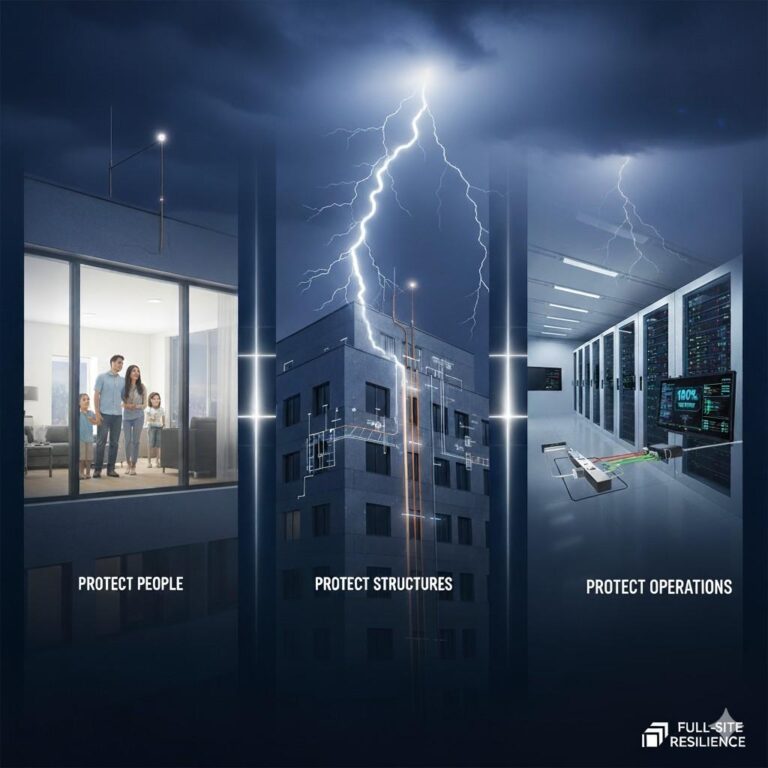
Lightning strikes are a common occurrence in Lebanon, posing a significant threat to properties and their occupants. A crucial aspect of protecting your property from lightning damage is a properly installed earthing system. This system plays a vital role in safely dispersing electrical surges and lightning strikes into the ground, preventing damage to your property and ensuring the safety of its occupants.
The earthing system is essential for property owners in Lebanon, as it helps to prevent electrical shocks, fires, and damage to electrical equipment. A well-designed earthing system can also help to reduce the risk of power outages and electrical surges, which can be costly and disruptive to businesses and households. Furthermore, a properly installed earthing system can help to increase the lifespan of electrical equipment and reduce maintenance costs.
In this article, you will learn about the importance of earthing systems, how they work, and the benefits of installing a well-designed earthing system in your property. You will also learn about the different types of earthing systems, the materials used, and the installation process. By the end of this article, you will have a comprehensive understanding of earthing systems and how they can protect your property from lightning damage and electrical surges.
How Earthing Systems Work
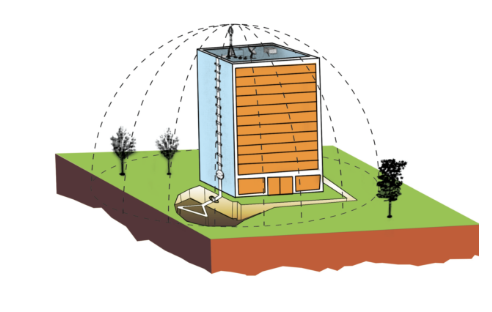
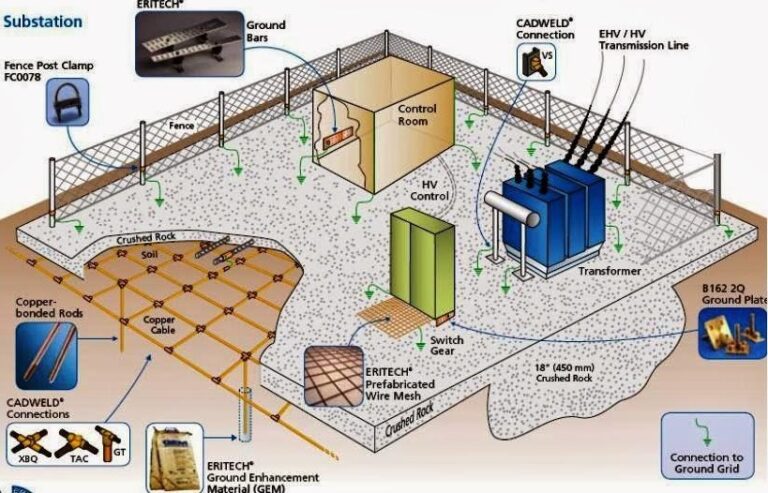
An earthing system is designed to provide a safe path for electrical surges and lightning strikes to follow into the ground, preventing damage to your property and its occupants. The system typically consists of a network of conductors, such as copper or aluminum, that are connected to the earth through a series of electrodes. These electrodes are usually made of copper or steel and are buried in the ground, providing a direct path to the earth.
When a lightning strike or electrical surge occurs, the earthing system directs the electrical current into the ground, preventing it from entering your property. The system is designed to handle high-voltage surges and can dissipate the electrical current quickly and safely. A well-designed earthing system can also help to reduce the risk of electrical shocks and fires, providing an additional layer of protection for your property and its occupants.
- Step 1: Installation
The earthing system is installed by a trained and certified technician, who will assess your property’s specific needs and design a system to meet those needs.
Types of Earthing Systems
There are several types of earthing systems available, each with its own unique characteristics and benefits. The most common types of earthing systems include plate earthing, rod earthing, and mesh earthing. Plate earthing involves burying a flat plate in the ground, while rod earthing involves driving a rod into the ground. Mesh earthing involves creating a network of conductors that are buried in the ground, providing a comprehensive earthing system.
The choice of earthing system will depend on the specific needs of your property, including the type of soil, the moisture levels, and the level of protection required. A trained and certified technician can assess your property and recommend the most suitable earthing system for your needs.
Plate Earthing
Plate earthing is a simple and effective earthing system that involves burying a flat plate in the ground. This system is suitable for properties with good soil conductivity.
Recommended for: properties with good soil conductivity
Rod Earthing
Rod earthing involves driving a rod into the ground, providing a direct path to the earth. This system is suitable for properties with poor soil conductivity.
Recommended for: properties with poor soil conductivity
Mesh Earthing
Mesh earthing involves creating a network of conductors that are buried in the ground, providing a comprehensive earthing system. This system is suitable for large properties or properties with complex earthing requirements.
Recommended for: large properties or properties with complex earthing requirements
Maintenance and Inspection
Regular maintenance and inspection of your earthing system are crucial to ensure it continues to function effectively. A trained and certified technician should inspect your earthing system annually, checking for signs of damage or wear and tear. The technician should also test the system to ensure it is functioning correctly and providing the required level of protection.
Property owners can also take steps to maintain their earthing system, such as keeping the area around the electrodes clear of debris and ensuring the system is not damaged during construction or landscaping work. By following these steps, you can help to ensure your earthing system continues to provide effective protection for your property and its occupants.
Annual Inspection
Have your earthing system inspected annually by a trained and certified technician to ensure it is functioning correctly.
Regular Testing
Have your earthing system tested regularly to ensure it is providing the required level of protection.
Keep the Area Clear
Keep the area around the electrodes clear of debris and ensure the system is not damaged during construction or landscaping work.
Frequently Asked Questions
Protect Your Property From Lightning Damage
Contact ZOD today for a free site visit and lightning protection assessment.