Lightning Protection System: Safeguarding Lebanese Properties
Learn how to protect your home or business from the dangers of lightning strikes with a reliable lightning protection system.
Lebanon experiences a significant number of lightning strikes every year, posing a threat to properties and lives. A single lightning strike can cause devastating damage to a building, resulting in costly repairs and even loss of life. It is essential for property owners to take proactive measures to safeguard their properties against lightning damage.
The importance of a lightning protection system cannot be overstated. It is a critical component of any building’s safety infrastructure, designed to prevent damage from lightning strikes. By understanding how lightning protection systems work and their benefits, property owners can make informed decisions about protecting their properties.
In this article, we will delve into the world of lightning protection systems, exploring their components, benefits, and importance for Lebanese property owners. We will also discuss the different types of lightning protection systems available and provide guidance on how to choose the right system for your property.
Understanding Lightning Protection Systems
A lightning protection system is designed to protect a building from the harmful effects of lightning strikes. It consists of several components, including a lightning rod, down conductor, and grounding system. The lightning rod attracts the lightning strike, while the down conductor directs the electrical discharge to the grounding system, which safely disperses the energy into the earth.
The effectiveness of a lightning protection system depends on various factors, including the type of system used, the quality of the installation, and the maintenance of the system. It is crucial to work with a qualified and experienced technician to ensure that the system is installed correctly and functions as intended.
- Assessing the Risk
Before installing a lightning protection system, it is essential to assess the risk of lightning strikes in your area. This involves evaluating the frequency of lightning storms, the type of terrain, and the height and location of your property.
Components of a Lightning Protection System
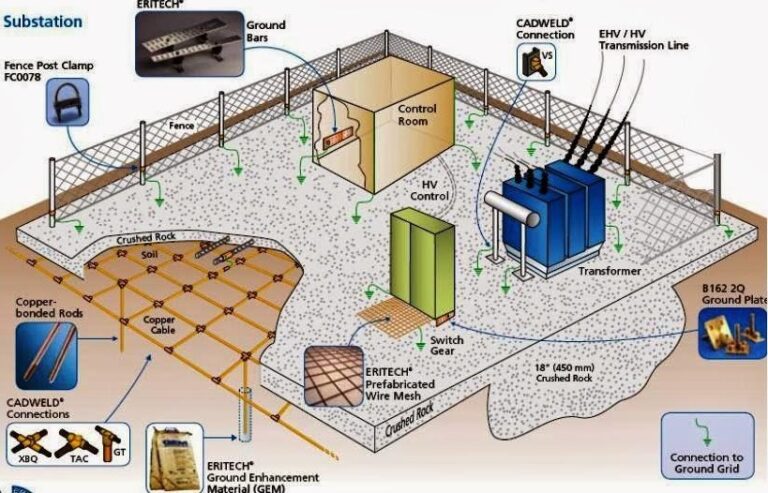
A lightning protection system consists of several critical components, each playing a vital role in protecting a building from lightning damage. These components include lightning rods, down conductors, grounding systems, and surge protectors.
Lightning rods, also known as air terminals, are the visible components of a lightning protection system. They are designed to attract lightning strikes and direct the electrical discharge to the down conductor. Down conductors are the cables that connect the lightning rod to the grounding system, providing a path for the electrical discharge to follow.
Lightning Rods
Lightning rods are the visible components of a lightning protection system, designed to attract lightning strikes and direct the electrical discharge to the down conductor.
Recommended for: All properties, especially those in high-risk areas.
Down Conductors
Down conductors are the cables that connect the lightning rod to the grounding system, providing a path for the electrical discharge to follow.
Recommended for: All properties, especially those with complex architectures.
Grounding Systems
Grounding systems are the final component of a lightning protection system, designed to safely disperse the electrical discharge into the earth.
Recommended for: All properties, especially those in areas with poor soil conductivity.
Benefits of a Lightning Protection System
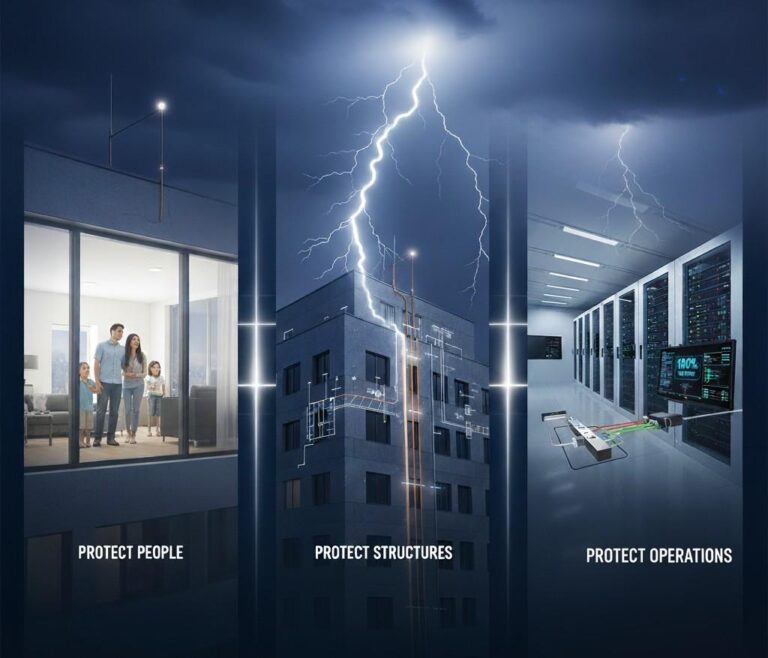
A lightning protection system offers numerous benefits, including protection of life and property, reduction of damage, and minimization of downtime. By installing a lightning protection system, property owners can ensure the safety of their occupants and assets, while also reducing the risk of costly repairs and business interruptions.
In addition to the benefits mentioned above, a lightning protection system can also provide peace of mind for property owners. Knowing that their property is protected from the dangers of lightning strikes can help alleviate concerns and reduce stress.
Protection of Life and Property
Primary Benefit
A lightning protection system provides a safe and effective way to protect life and property from the dangers of lightning strikes.
Reduction of Damage
Secondary Benefit
A lightning protection system can reduce the risk of damage to a property, resulting in cost savings and reduced downtime.
Minimization of Downtime
Tertiary Benefit
A lightning protection system can minimize downtime and reduce the impact of lightning strikes on business operations.
Maintenance and Inspection of Lightning Protection Systems
Regular maintenance and inspection of lightning protection systems are crucial to ensure their effectiveness. Property owners should work with qualified technicians to inspect and maintain their systems, including checking for damage, corrosion, and wear and tear.
It is also essential to test lightning protection systems regularly to ensure they are functioning correctly. This can be done using specialized equipment and techniques, and should be performed by trained and certified technicians.
Regular Inspection
Regular inspection of lightning protection systems is crucial to ensure their effectiveness and identify potential issues before they become major problems.
System Testing
System testing is essential to ensure that lightning protection systems are functioning correctly and providing the necessary protection.
Damage Repair
Damage repair is critical to ensure that lightning protection systems are functioning correctly and providing the necessary protection. This includes repairing or replacing damaged components and ensuring that the system is functioning as intended.
Frequently Asked Questions
Protect Your Property From Lightning Damage
Contact ZOD today for a free site visit and lightning protection assessment.