Protecting Your Property: Understanding Lightning Arrester
Discover the importance of lightning arrester in safeguarding residential, commercial, and industrial properties in Lebanon.
Lightning strikes are a significant threat to properties in Lebanon, causing damage to structures and electrical systems. A lightning arrester is a critical component in protecting properties from such events. It is essential to understand how a lightning arrester works and its role in safeguarding properties.
The topic of lightning arrester is crucial for property owners in Lebanon, as it directly affects the safety and security of their assets. By understanding the concept of lightning arrester, property owners can take proactive measures to protect their properties from lightning strikes.
In this article, readers will learn about the basics of lightning arrester, its types, and how it helps protect properties from lightning damage. We will also discuss the importance of proper installation, maintenance, and inspection of lightning arrester systems.
What Is A Lightning Arrester?
A lightning arrester is a device designed to protect electrical systems from lightning strikes. It works by diverting the lightning current away from the electrical system and into the ground, thereby preventing damage to the system.
Lightning arresters are typically installed on electrical distribution lines, substations, and other critical infrastructure. They are an essential component of lightning protection systems, which also include lightning rods, grounding systems, and surge protectors.
- Step 1: Installation
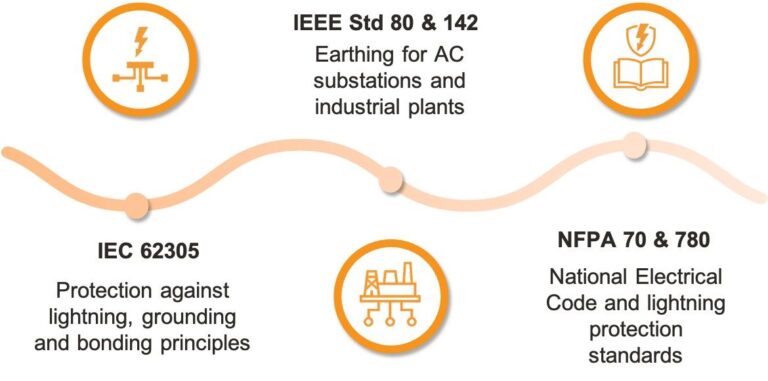
Proper installation of lightning arrester is critical to ensure its effectiveness. The device must be installed in accordance with international standards and regulations.
Types Of Lightning Arrester
There are several types of lightning arrester available, each with its own unique characteristics and applications. The most common types include expulsion-type lightning arrester, self-restoring lightning arrester, and valve-type lightning arrester.
Expulsion-type lightning arrester uses a spark gap to divert the lightning current, while self-restoring lightning arrester uses a nonlinear resistor to limit the voltage. Valve-type lightning arrester uses a valve to divert the lightning current.
Expulsion-Type Lightning Arrester
This type of lightning arrester is commonly used in distribution lines and substations. It is simple and cost-effective.
Recommended for: Distribution lines and substations
Self-Restoring Lightning Arrester
This type of lightning arrester is commonly used in transmission lines and high-voltage applications. It is more complex and expensive than expulsion-type lightning arrester.
Recommended for: Transmission lines and high-voltage applications
Valve-Type Lightning Arrester
This type of lightning arrester is commonly used in low-voltage applications. It is more compact and lightweight than other types of lightning arrester.
Recommended for: Low-voltage applications
Maintenance And Inspection Of Lightning Arrester
Regular maintenance and inspection of lightning arrester are crucial to ensure its effectiveness. The device must be inspected and tested periodically to ensure it is functioning properly.
Maintenance and inspection activities include visual inspection, electrical testing, and replacement of worn-out components. It is essential to follow international standards and regulations when performing maintenance and inspection activities.
Visual Inspection
Visual inspection involves checking the lightning arrester for signs of wear and tear, corrosion, and damage.
Electrical Testing
Electrical testing involves checking the lightning arrester’s electrical properties, such as its insulation resistance and leakage current.
Replacement Of Worn-Out Components
Replacement of worn-out components involves replacing damaged or worn-out components, such as spark gaps and nonlinear resistors.
Frequently Asked Questions
Protect Your Property From Lightning Damage
Contact ZOD today for a free site visit and lightning protection assessment.