Lightning Strikes Lebanon: Understanding The Risks
Discover the importance of lightning protection for residential, commercial, and industrial properties in Lebanon.
Lightning strikes are a common occurrence in Lebanon, posing significant risks to property owners, business owners, facility managers, and engineers. Every year, numerous properties are damaged or destroyed due to lightning strikes, resulting in significant financial losses and potential harm to occupants. It is essential to understand the risks associated with lightning strikes and take necessary precautions to protect properties.
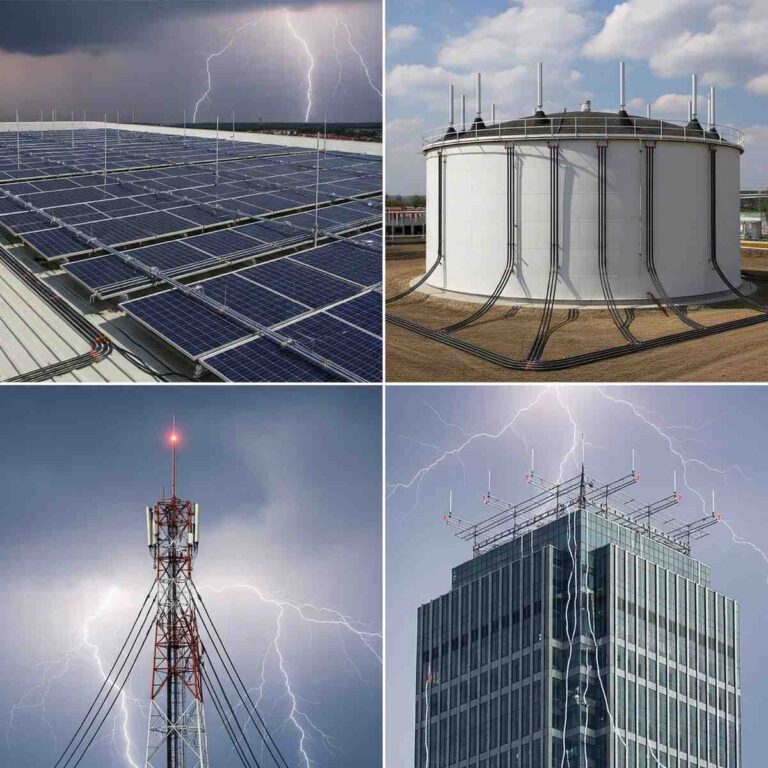
The frequency and severity of lightning strikes in Lebanon make it crucial for property owners to prioritize lightning protection. Lightning strikes can cause significant damage to buildings, infrastructure, and electrical systems, leading to power outages, fires, and even loss of life. Moreover, the economic impact of lightning strikes can be substantial, with repair costs and downtime affecting businesses and industries.
In this article, readers will learn about the risks associated with lightning strikes in Lebanon, the importance of lightning protection, and the various measures that can be taken to protect properties from damage. We will also discuss the different types of lightning protection systems, their components, and the benefits of installing these systems.
Understanding Lightning Strikes
Lightning strikes occur when a lightning bolt, a massive electrostatic discharge, strikes the ground or a object. The strike can cause significant damage to properties, including structural damage, electrical system damage, and fires. In Lebanon, lightning strikes are more common during the summer months, when thunderstorms are more frequent.
It is essential to understand the risks associated with lightning strikes and take necessary precautions to protect properties. Property owners, business owners, facility managers, and engineers must be aware of the potential dangers of lightning strikes and take proactive measures to mitigate these risks.
- Identify Lightning Strike Risks
Assess the likelihood of lightning strikes in your area and identify potential risks to your property. Consider factors such as proximity to tall objects, electrical systems, and flammable materials.
Lightning Protection Systems
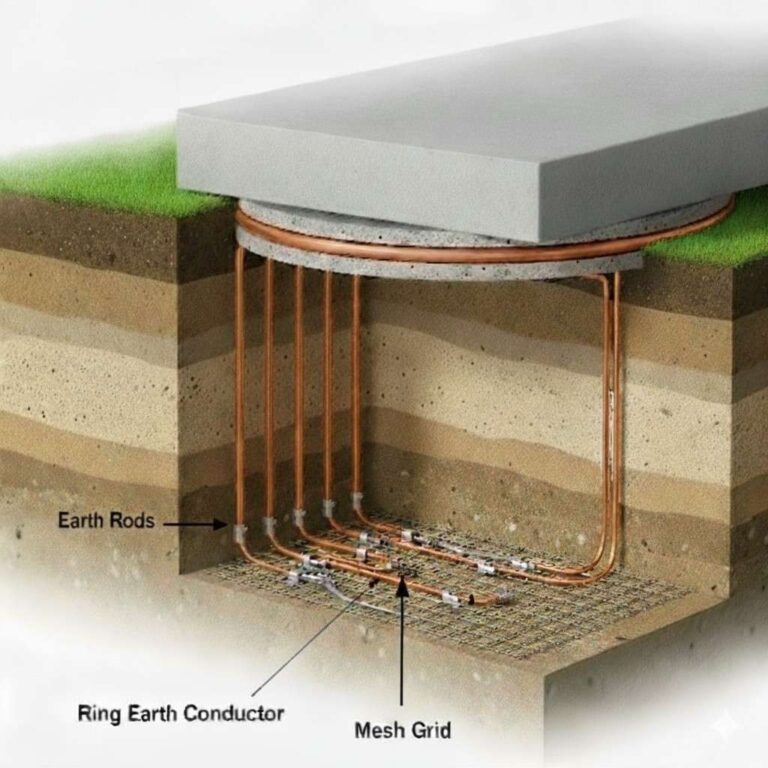
Lightning protection systems are designed to protect properties from lightning strikes by intercepting the lightning bolt and directing it harmlessly into the ground. These systems typically consist of a lightning rod, a down conductor, and a grounding system. The lightning rod attracts the lightning bolt, while the down conductor directs the electrical discharge to the grounding system, which dissipates the energy safely into the earth.
There are different types of lightning protection systems, including traditional air terminals, mesh systems, and catenary systems. Each type of system has its own advantages and disadvantages, and the choice of system depends on the specific needs and requirements of the property.
Air Terminals
Air terminals are traditional lightning protection systems that use a single lightning rod to attract the lightning bolt. They are simple, cost-effective, and easy to install.
Recommended for: Small properties, residential buildings
Mesh Systems
Mesh systems use a network of conductors to protect properties from lightning strikes. They are more effective than air terminals and provide better protection for larger properties.
Recommended for: Commercial properties, industrial buildings
Catenary Systems
Catenary systems use a series of suspended conductors to protect properties from lightning strikes. They are highly effective and provide excellent protection for large, complex properties.
Recommended for: Large industrial properties, high-rise buildings
Installation and Maintenance
Proper installation and maintenance of lightning protection systems are crucial to ensure their effectiveness. The installation process involves assessing the property’s lightning strike risks, designing the system, and installing the necessary components. Regular maintenance is also essential to ensure the system remains functional and effective.
Property owners, business owners, facility managers, and engineers must ensure that lightning protection systems are installed and maintained by qualified professionals. This includes conducting regular inspections, testing the system, and performing necessary repairs and upgrades.
Schedule Regular Inspections
Regular inspections help identify potential issues and ensure the system remains functional and effective.
Perform Necessary Repairs
Regular repairs and upgrades ensure the system remains functional and effective, reducing the risk of lightning strike damage.
Keep Records of Maintenance
Keeping records of maintenance and inspections helps track the system’s performance and identifies potential issues.
Frequently Asked Questions
Protect Your Property From Lightning Damage
Contact ZOD today for a free site visit and lightning protection assessment.