Earthing System Safety
Understanding the importance of a proper earthing system for protecting people and properties in Lebanon.
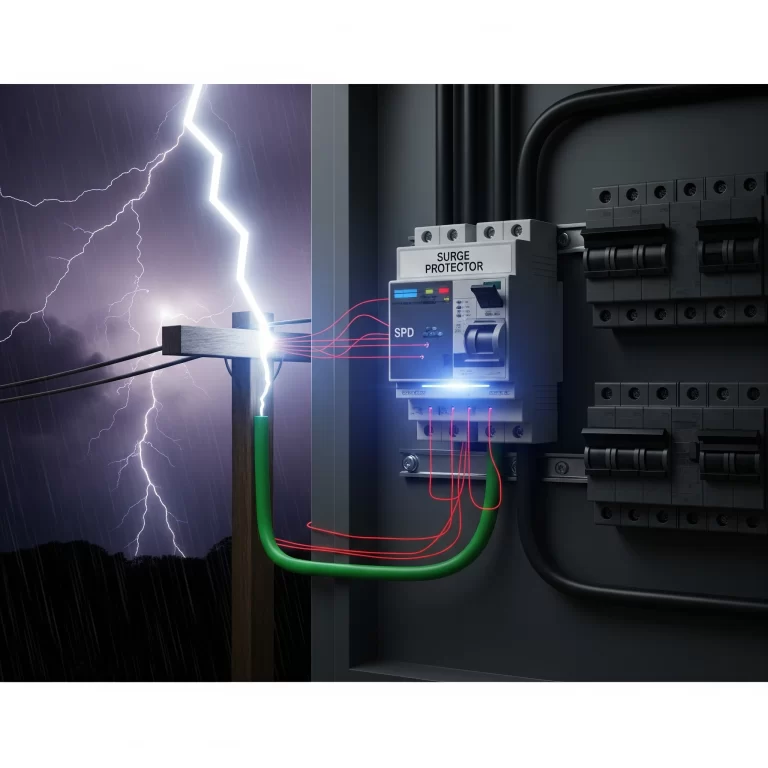
Lightning strikes are a common occurrence in Lebanon, posing a significant threat to people and properties. A key component in protecting against lightning damage is a properly installed earthing system. This system is designed to direct electrical currents from lightning strikes safely into the ground, preventing damage to buildings and electrical systems.
The earthing system is a critical component of a comprehensive lightning protection system. It works in conjunction with other components, such as air terminals and down conductors, to provide a safe path for electrical currents to follow. Without a proper earthing system, lightning strikes can cause significant damage to properties, including fires, explosions, and electrical shocks.
In this article, we will explore the importance of earthing systems, the benefits of installing a proper earthing system, and provide guidance on how to install and maintain an earthing system. We will also discuss common myths and misconceptions about earthing systems and provide answers to frequently asked questions.
Benefits Of Earthing Systems
Earthing systems provide several benefits, including protecting people and properties from lightning damage, reducing the risk of electrical shocks and fires, and preventing damage to electrical systems and equipment. A proper earthing system can also help to reduce the risk of power outages and electrical surges, which can cause significant disruptions to businesses and daily life.
Additionally, earthing systems can help to improve the overall safety and reliability of electrical systems. By providing a safe path for electrical currents to follow, earthing systems can help to prevent electrical accidents and injuries. This is especially important in Lebanon, where the risk of lightning strikes is high.
- Protection from lightning damage
- Reduced risk of electrical shocks and fires
- Prevention of damage to electrical systems and equipment
- Improved safety and reliability of electrical systems
Installing An Earthing System
Installing an earthing system requires careful planning and execution. The first step is to conduct a site assessment to determine the best location for the earthing system. This involves identifying the areas of the property that are most at risk from lightning strikes and determining the most effective way to direct electrical currents safely into the ground.
Once the site assessment is complete, the next step is to design and install the earthing system. This involves installing air terminals, down conductors, and grounding electrodes, as well as connecting the earthing system to the electrical panel. It is essential to ensure that the earthing system is installed correctly and meets all relevant safety standards.
Site Assessment
Conduct a site assessment to determine the best location for the earthing system. This involves identifying the areas of the property that are most at risk from lightning strikes and determining the most effective way to direct electrical currents safely into the ground.
Recommended for: All properties in Lebanon
System Design
Design the earthing system to meet the specific needs of the property. This involves selecting the correct components, such as air terminals and down conductors, and determining the best way to connect the earthing system to the electrical panel.
Recommended for: Properties with complex electrical systems
Installation
Install the earthing system according to the design specifications. This involves installing air terminals, down conductors, and grounding electrodes, as well as connecting the earthing system to the electrical panel.
Recommended for: Properties with high lightning strike risk
Maintenance And Inspection
Regular maintenance and inspection are essential to ensure the earthing system is functioning correctly. This involves checking the earthing system for damage or corrosion, as well as verifying that the system is properly connected to the electrical panel.
It is also essential to perform regular testing of the earthing system to ensure it is functioning correctly. This involves using specialized equipment to measure the resistance of the earthing system and verify that it meets all relevant safety standards.
Visual Inspection
Perform a visual inspection of the earthing system to check for damage or corrosion. This involves checking the air terminals, down conductors, and grounding electrodes for signs of wear or damage.
Testing And Verification
Perform testing and verification of the earthing system to ensure it is functioning correctly. This involves using specialized equipment to measure the resistance of the earthing system and verify that it meets all relevant safety standards.
Repair And Replacement
Perform repair and replacement of damaged or corroded components. This involves replacing air terminals, down conductors, and grounding electrodes as needed to ensure the earthing system is functioning correctly.
Frequently Asked Questions
Protect Your Property From Lightning Damage
Contact ZOD today for a free site visit and lightning protection assessment.