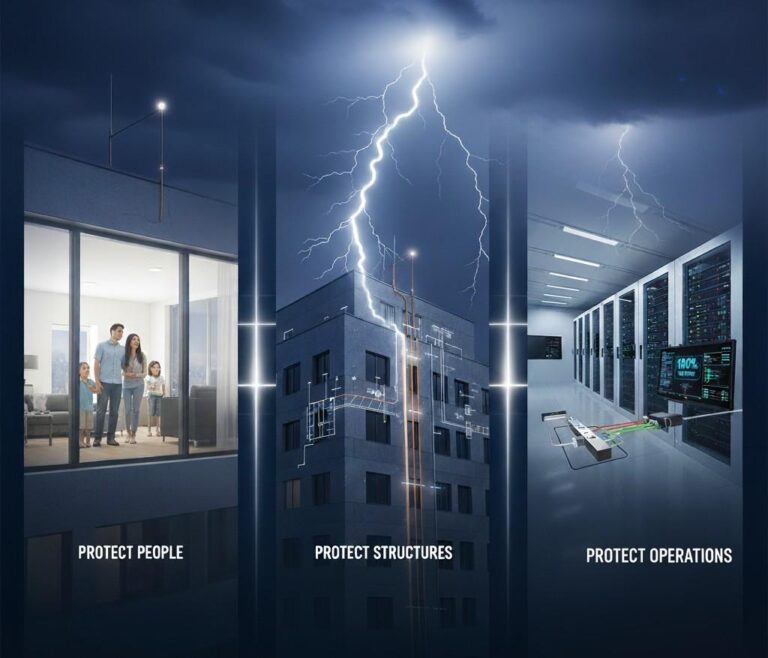
Safeguarding Lebanese Properties With Surge Protection
Discover the importance of surge protection for safeguarding properties in Lebanon against lightning and power surges.
Lightning strikes are a common occurrence in Lebanon, posing a significant threat to properties and electrical systems. A single lightning strike can cause devastating damage to buildings, equipment, and infrastructure. This is where surge protection comes into play, serving as a critical line of defense against power surges and lightning-induced damage.
As a property owner in Lebanon, it is essential to understand the risks associated with lightning strikes and the importance of implementing effective surge protection measures. Without proper protection, properties are vulnerable to electrical fires, equipment damage, and even loss of life. In this article, we will explore the world of surge protection, discussing its benefits, types, and best practices for implementation.
By the end of this article, readers will have a comprehensive understanding of surge protection, including its role in safeguarding properties, the different types of surge protection devices, and how to select the most suitable solution for their specific needs. Whether you are a residential, commercial, or industrial property owner, this knowledge will empower you to make informed decisions about protecting your assets from the dangers of lightning and power surges.
Understanding Lightning Strikes and Power Surges
Lightning strikes are a natural phenomenon that can occur at any time, causing massive power surges that can devastate electrical systems. These surges can also be caused by other factors, such as grid switching, electrical faults, and equipment malfunctions. It is crucial to understand the differences between these types of surges and how they can impact properties in Lebanon.
Power surges can be classified into two main categories: internal and external. Internal surges are caused by events within a property, such as electrical equipment malfunctions or grid switching. External surges, on the other hand, are caused by external factors, such as lightning strikes or grid faults. Both types of surges can have devastating consequences if not properly mitigated.
- Identifying Surge Sources
Property owners must identify potential surge sources, including electrical equipment, grid connections, and weather-related events. By understanding these sources, they can take proactive measures to mitigate the risks associated with power surges.
Surge Protection Devices and Systems
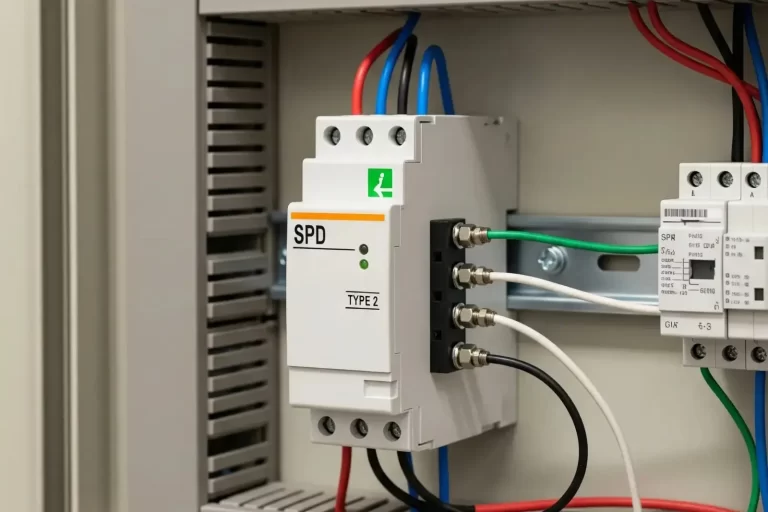
Surge protection devices (SPDs) are designed to protect properties from power surges and lightning-induced damage. These devices can be installed at various points in an electrical system, including the main electrical panel, sub-panels, and individual equipment. SPDs work by diverting or absorbing surge energy, preventing it from entering the electrical system and causing damage.
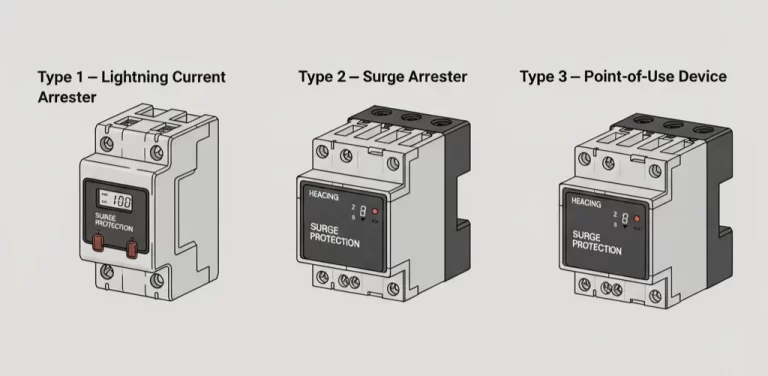
There are several types of SPDs available, each with its own unique characteristics and applications. Some common types of SPDs include gas discharge tubes, metal oxide varistors, and silicon carbide-based devices. Property owners must select the most suitable SPD for their specific needs, taking into account factors such as surge capacity, response time, and compatibility with their electrical system.
Plug-In SPDs
Plug-in SPDs are designed for individual equipment protection, such as computers and televisions. They are easy to install and provide a high level of surge protection.
Recommended for: Residential and commercial properties.
Hardwired SPDs
Hardwired SPDs are designed for whole-house or whole-building protection. They are installed at the main electrical panel and provide comprehensive surge protection for all connected equipment.
Recommended for: Industrial and commercial properties.
Lightning Arresters
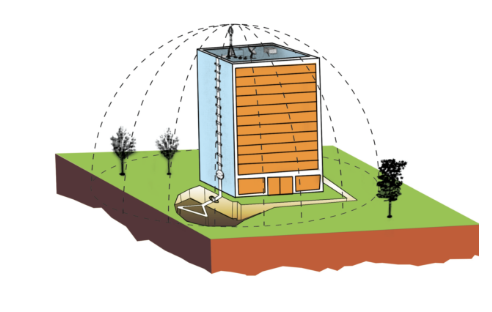
Lightning arresters are designed to protect properties from direct lightning strikes. They are installed on the roof or near the electrical service entrance and provide a high level of protection against lightning-induced surges.
Recommended for: Properties in high-risk lightning areas.
Maintenance and Inspection of Surge Protection Systems
Regular maintenance and inspection of surge protection systems are crucial to ensure their effectiveness and longevity. Property owners must perform routine checks on their SPDs, including visual inspections, electrical tests, and replacement of worn-out components. This will help identify potential issues before they become major problems, ensuring the continued protection of their properties.
It is also essential to keep records of maintenance and inspection activities, including dates, results, and recommendations for future work. This will help property owners track the performance of their surge protection systems and make informed decisions about upgrades or replacements.
Scheduled Maintenance
Property owners must schedule regular maintenance checks on their surge protection systems, including visual inspections and electrical tests.
Component Replacement
Property owners must replace worn-out components, such as fuses or varistors, to ensure the continued effectiveness of their surge protection systems.
Record Keeping
Property owners must keep records of maintenance and inspection activities, including dates, results, and recommendations for future work.
Frequently Asked Questions
Protect Your Property From Lightning Damage
Contact ZOD today for a free site visit and lightning protection assessment.