Understanding Lightning Arrester Systems
Discover the crucial role of lightning arrester systems in safeguarding residential, commercial, and industrial properties in Lebanon.
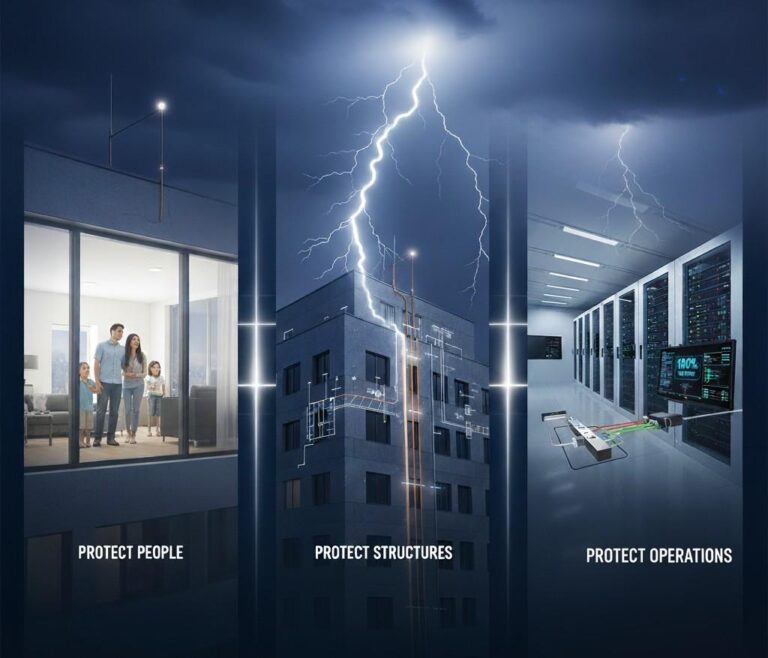
Lightning strikes are a significant threat to properties in Lebanon, causing damage to buildings, equipment, and infrastructure. A lightning arrester is a critical component of a lightning protection system, designed to protect properties from the devastating effects of lightning strikes.
The importance of lightning arrester systems cannot be overstated, as they play a vital role in preventing damage to properties and ensuring the safety of occupants. In Lebanon, where lightning strikes are common, it is essential for property owners to understand the importance of lightning arrester systems and take necessary measures to protect their properties.
In this article, we will delve into the world of lightning arrester systems, exploring their functionality, benefits, and installation process. By the end of this article, readers will have a comprehensive understanding of lightning arrester systems and how they can protect their properties from lightning damage.
How Lightning Arrester Systems Work
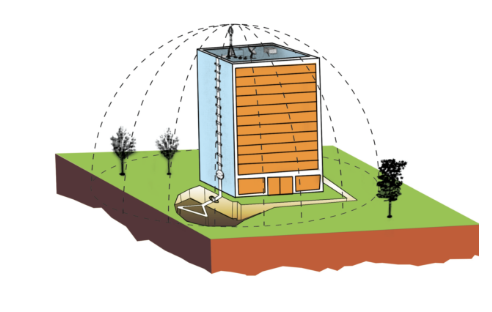
A lightning arrester system is designed to divert lightning strikes away from a property, directing them harmlessly into the ground. The system consists of a network of conductors, including air terminals, down conductors, and ground electrodes, which work together to protect the property from lightning strikes.
The lightning arrester is a critical component of the system, as it provides a path for the lightning strike to follow, diverting it away from the property. The arrester is typically installed on the roof of a building, where it can intercept lightning strikes and direct them into the down conductor.
- Installation Process
The installation process for a lightning arrester system typically begins with a site assessment, where a qualified technician evaluates the property’s vulnerability to lightning strikes. The technician will then design a customized lightning arrester system, taking into account the property’s size, shape, and location.
Types of Lightning Arrester Systems
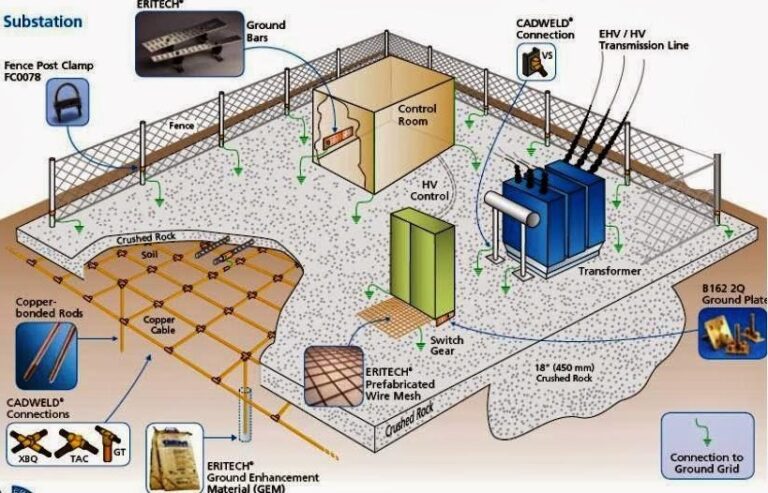
There are several types of lightning arrester systems available, each designed to meet the specific needs of a property. Some common types of lightning arrester systems include conventional lightning arrester systems, surge protection systems, and earthing systems.
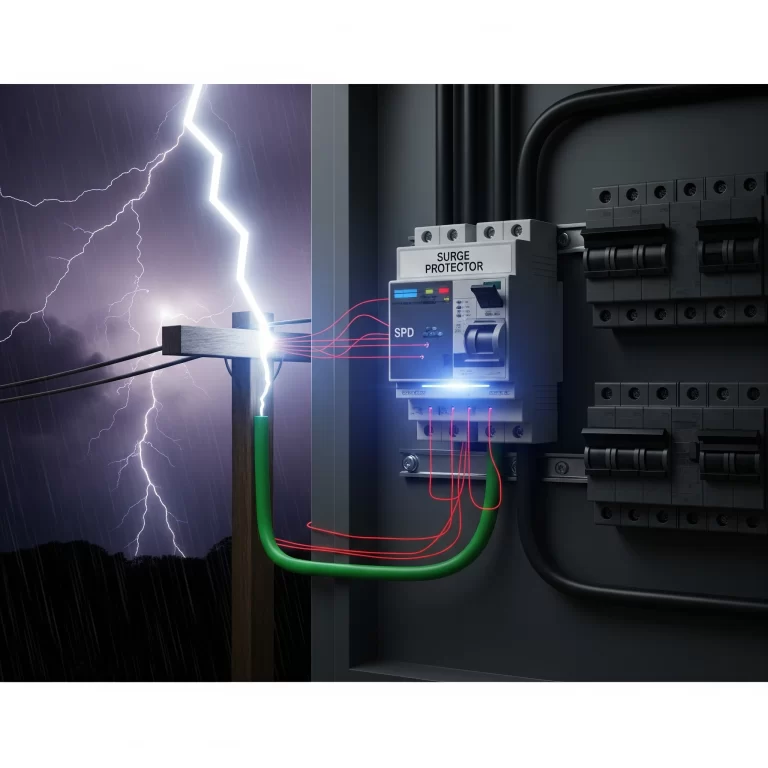
Conventional lightning arrester systems are the most common type of lightning arrester system, consisting of a network of conductors that divert lightning strikes away from a property. Surge protection systems, on the other hand, are designed to protect properties from voltage surges caused by lightning strikes.
Conventional Lightning Arrester Systems
Conventional lightning arrester systems are the most common type of lightning arrester system, consisting of a network of conductors that divert lightning strikes away from a property.
Recommended for: Residential and commercial properties
Surge Protection Systems
Surge protection systems are designed to protect properties from voltage surges caused by lightning strikes.
Recommended for: Industrial and commercial properties
Earthing Systems
Earthing systems are designed to provide a safe path for lightning strikes to follow, directing them harmlessly into the ground.
Recommended for: Residential and commercial properties
Maintenance and Inspection of Lightning Arrester Systems
Regular maintenance and inspection of lightning arrester systems are crucial to ensuring their effectiveness. Property owners should inspect their lightning arrester systems annually, checking for signs of damage or wear and tear.
Additionally, property owners should ensure that their lightning arrester systems are installed and maintained by qualified technicians, as improper installation or maintenance can compromise the system’s effectiveness.
Annual Inspection
Property owners should inspect their lightning arrester systems annually, checking for signs of damage or wear and tear.
Regular Maintenance
Property owners should ensure that their lightning arrester systems are regularly maintained, as improper maintenance can compromise the system’s effectiveness.
Emergency Response
In the event of a lightning strike, property owners should have an emergency response plan in place, including contact information for qualified technicians.
Frequently Asked Questions
Protect Your Property From Lightning Damage
Contact ZOD Lightning today for a free site visit and lightning protection assessment.