Lightning Conductor Safety For Lebanese Properties
Understanding the role of a lightning conductor in protecting your property from lightning strikes and electrical surges.
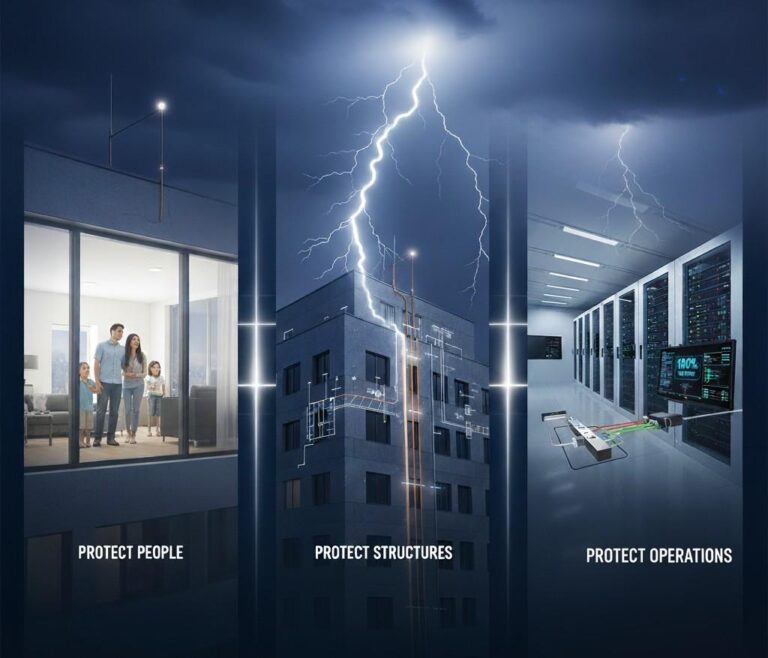
Lebanon experiences a significant number of lightning storms each year, posing a threat to properties and lives. A lightning conductor, also known as a lightning rod, plays a crucial role in protecting buildings from lightning strikes. It is essential for property owners, facility managers, and engineers to understand the importance of a lightning conductor and how it works.
The primary function of a lightning conductor is to attract lightning and direct it harmlessly into the ground, preventing damage to the building and its occupants. This is particularly important in Lebanon, where the climate and geography create an environment prone to lightning storms. By installing a lightning conductor, property owners can significantly reduce the risk of lightning-related damage and ensure the safety of their buildings and occupants.
In this article, we will delve into the world of lightning conductors, exploring their history, functionality, and importance in protecting properties from lightning strikes. We will also discuss the different types of lightning conductors, their installation, and maintenance requirements. By the end of this article, readers will have a comprehensive understanding of lightning conductors and how they can be used to safeguard properties in Lebanon.
History Of Lightning Conductors
The concept of lightning conductors dates back to the 18th century, when Benjamin Franklin discovered that lightning is a form of electricity. Franklin’s famous kite experiment led to the development of the first lightning conductor, which was a simple metal rod that attracted lightning and directed it into the ground.
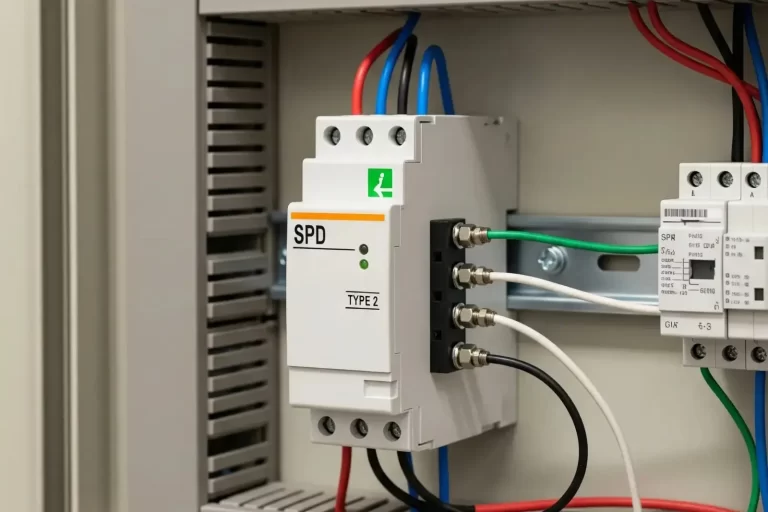
Over the years, the design and functionality of lightning conductors have evolved significantly. Modern lightning conductors are made from durable materials, such as copper and aluminum, and are designed to withstand the extreme forces generated by lightning strikes. They are also equipped with advanced features, such as surge protectors and grounding systems, to provide comprehensive protection against lightning and electrical surges.
- Early lightning conductors were made from metal rods and were often cumbersome and ineffective.
- Modern lightning conductors are designed to be sleek, durable, and highly effective in protecting properties from lightning strikes.
- Lightning conductors have become an essential component of building design and construction, particularly in areas prone to lightning storms.
How Lightning Conductors Work
A lightning conductor works by attracting lightning and directing it harmlessly into the ground. The conductor is typically installed on the roof of a building and is connected to a grounding system, which provides a path for the electrical current to flow into the earth.
The lightning conductor is designed to be more attractive to lightning than other parts of the building, such as the walls and windows. When a lightning strike occurs, the conductor attracts the lightning and directs it into the grounding system, preventing damage to the building and its occupants.
Regular Maintenance
Regular maintenance is essential to ensure the lightning conductor is functioning correctly.
Lightning Strike Protection
A lightning conductor provides protection against lightning strikes and electrical surges.
Compliance With Regulations
Lightning conductors must comply with local regulations and standards, such as IEC 62305 and NFPA 780.
Types Of Lightning Conductors
There are several types of lightning conductors available, each designed to meet specific needs and requirements. The most common types of lightning conductors include air terminals, roof conductors, and down conductors.
Air terminals are installed on the roof of a building and are designed to attract lightning. Roof conductors are installed along the roof and provide a path for the electrical current to flow into the grounding system. Down conductors are installed along the walls of a building and provide a path for the electrical current to flow into the ground.
Air Terminals
Primary
Air terminals are installed on the roof of a building and are designed to attract lightning.
Roof Conductors
Secondary
Roof conductors are installed along the roof and provide a path for the electrical current to flow into the grounding system.
Down Conductors
Tertiary
Down conductors are installed along the walls of a building and provide a path for the electrical current to flow into the ground.
Installation And Maintenance
The installation of a lightning conductor requires careful planning and execution. The conductor must be installed in accordance with local regulations and standards, such as IEC 62305 and NFPA 780.
Regular maintenance is essential to ensure the lightning conductor is functioning correctly. This includes inspecting the conductor and grounding system, cleaning and replacing damaged components, and testing the system to ensure it is functioning correctly.
Important Safety Warning
It is essential to hire a qualified and experienced technician to install and maintain a lightning conductor. Improper installation and maintenance can lead to serious injury or death.
- Step 1: Planning And Design
The installation of a lightning conductor requires careful planning and design. The conductor must be installed in accordance with local regulations and standards.
- Step 2: Installation
The conductor must be installed by a qualified and experienced technician. Improper installation can lead to serious injury or death.
- Step 3: Maintenance And Testing
Regular maintenance and testing are essential to ensure the lightning conductor is functioning correctly. This includes inspecting the conductor and grounding system, cleaning and replacing damaged components, and testing the system to ensure it is functioning correctly.
Frequently Asked Questions
Protect Your Property From Lightning Damage
Contact ZOD today for a free site visit and lightning protection assessment.