Lightning Strikes Lebanon: Understanding The Risks
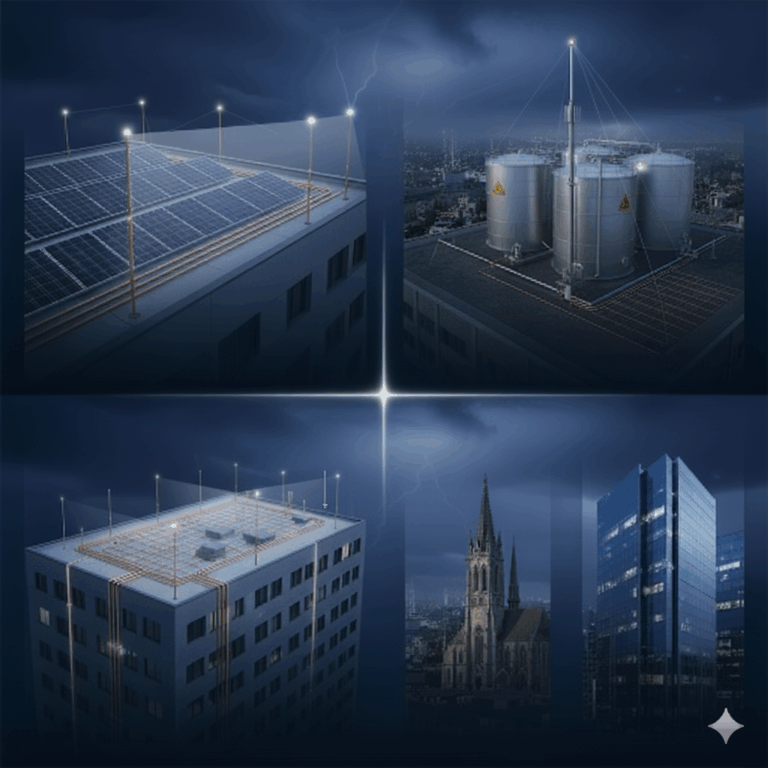
Discover the importance of lightning protection for residential, commercial, and industrial properties in Lebanon.
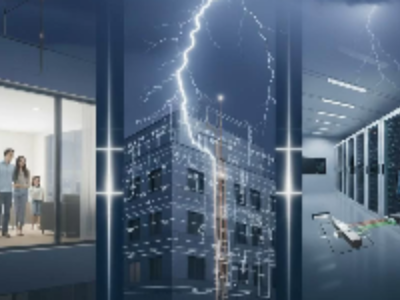
Lightning strikes are a common occurrence in Lebanon, with the country experiencing a significant number of thunderstorms throughout the year. These storms can bring heavy rainfall, strong winds, and lightning, which can cause damage to properties and pose a risk to human life.
The risk of lightning strikes is a concern for property owners in Lebanon, as it can result in significant financial losses and disruption to business operations. Furthermore, the risk of injury or death from lightning strikes is a major concern, particularly in areas with high population densities.
In this article, we will explore the risks associated with lightning strikes in Lebanon, and provide guidance on how to protect your property from lightning damage. We will also discuss the importance of lightning protection systems, and how they can help to mitigate the risks associated with lightning strikes.
Understanding Lightning Strikes
Lightning strikes occur when there is a buildup of electrical charge in the atmosphere, typically during thunderstorms. The lightning strike can cause significant damage to properties, including fires, explosions, and power outages.
According to international standards, such as IEC 62305, lightning protection systems are designed to protect properties from lightning strikes by providing a safe path for the electrical discharge to follow.
- Lightning strikes can cause significant damage to properties, including fires and explosions.
- Lightning protection systems can help to mitigate the risks associated with lightning strikes.
- Regular maintenance and inspection of lightning protection systems is crucial to ensure they are functioning correctly.
Lightning Protection Systems
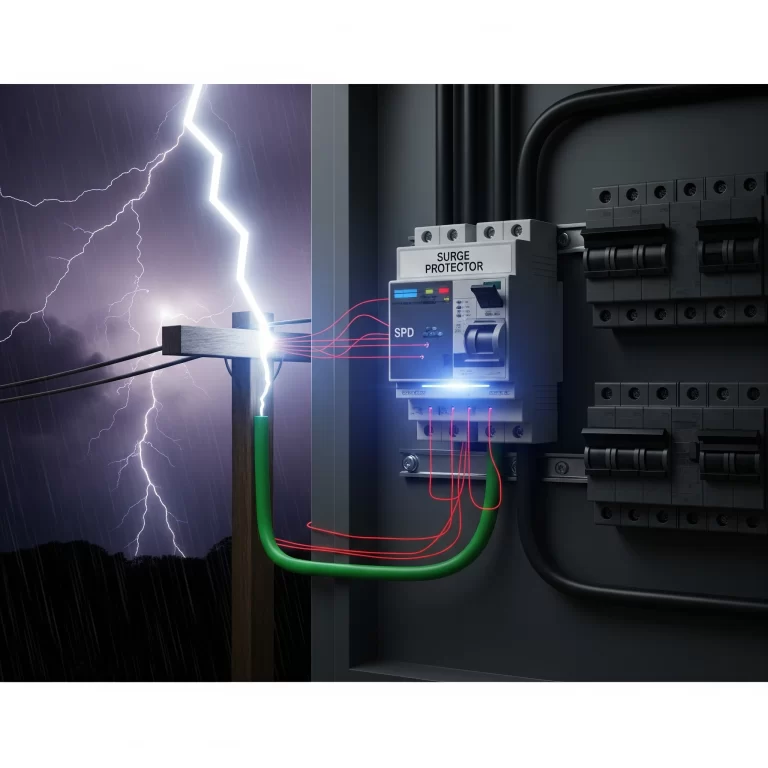
Lightning protection systems are designed to protect properties from lightning strikes by providing a safe path for the electrical discharge to follow. These systems typically consist of a lightning rod, down conductor, and grounding system.
The lightning rod is designed to attract the lightning strike, while the down conductor provides a safe path for the electrical discharge to follow to the ground. The grounding system is designed to dissipate the electrical discharge safely into the earth.
Lightning Rod
The lightning rod is designed to attract the lightning strike. It is typically installed on the roof of a building and is designed to be the highest point on the structure.
Recommended for: All properties in lightning-prone areas.
Down Conductor
The down conductor provides a safe path for the electrical discharge to follow to the ground. It is typically installed on the side of a building and is designed to be resistant to corrosion.
Recommended for: All properties with lightning protection systems.
Grounding System
The grounding system is designed to dissipate the electrical discharge safely into the earth. It is typically installed in the ground and is designed to be resistant to corrosion.
Recommended for: All properties with lightning protection systems.
Installation And Maintenance
Lightning protection systems require regular maintenance and inspection to ensure they are functioning correctly. This includes checking the lightning rod, down conductor, and grounding system for damage or corrosion.
It is also important to ensure that the lightning protection system is installed correctly, as a poorly installed system can be ineffective in protecting a property from lightning strikes.
Regular Inspection
Regular inspection of the lightning protection system is crucial to ensure it is functioning correctly.
Repair And Replacement
Any damage or corrosion to the lightning protection system should be repaired or replaced as soon as possible.
Documentation And Records
It is important to keep records of the installation, maintenance, and inspection of the lightning protection system.
Frequently Asked Questions
Protect Your Property From Lightning Damage
Contact ZOD today for a free site visit and lightning protection assessment.