Surge Protective Devices Save Lives
Understanding the role of surge protective devices in safeguarding your property and loved ones from the dangers of lightning strikes and power surges in Lebanon.
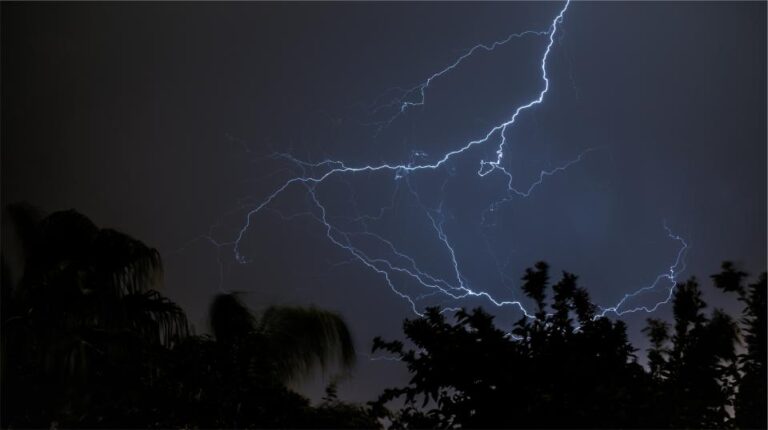
Lightning strikes are a common occurrence in Lebanon, with the country experiencing a significant number of thunderstorms throughout the year. These storms can cause power surges that can damage your property and put your loved ones at risk. A surge protective device can help mitigate this risk by absorbing or diverting the excess energy caused by a power surge.
The importance of surge protective devices cannot be overstated, as they play a critical role in safeguarding your property and loved ones from the dangers of lightning strikes and power surges. By installing a surge protective device, you can help prevent damage to your electrical systems, appliances, and equipment, and reduce the risk of fire or injury.
In this article, we will explore the world of surge protective devices, including their types, benefits, and installation requirements. We will also discuss the importance of regular maintenance and inspection of these devices to ensure they continue to function effectively.
Understanding Surge Protective Devices
A surge protective device is designed to protect your property from the damaging effects of power surges. These devices can be installed at the main electrical panel, at the point of use, or at both locations. They work by absorbing or diverting the excess energy caused by a power surge, thereby preventing it from entering your property and causing damage.
There are several types of surge protective devices available, including surge arresters, surge protectors, and transient voltage surge suppressors. Each type of device has its own unique characteristics and benefits, and the choice of device will depend on your specific needs and requirements.
Surge Arrester
A surge arrester is a type of surge protective device that is designed to protect your property from the damaging effects of lightning strikes. These devices are typically installed at the main electrical panel and work by absorbing or diverting the excess energy caused by a lightning strike.
Recommended for: residential and commercial properties
Surge Protector
A surge protector is a type of surge protective device that is designed to protect your appliances and equipment from the damaging effects of power surges. These devices are typically installed at the point of use and work by absorbing or diverting the excess energy caused by a power surge.
Recommended for: residential and commercial properties
Transient Voltage Surge Suppressor
A transient voltage surge suppressor is a type of surge protective device that is designed to protect your property from the damaging effects of transient voltage surges. These devices are typically installed at the main electrical panel and work by absorbing or diverting the excess energy caused by a transient voltage surge.
Recommended for: industrial properties
Installation Requirements
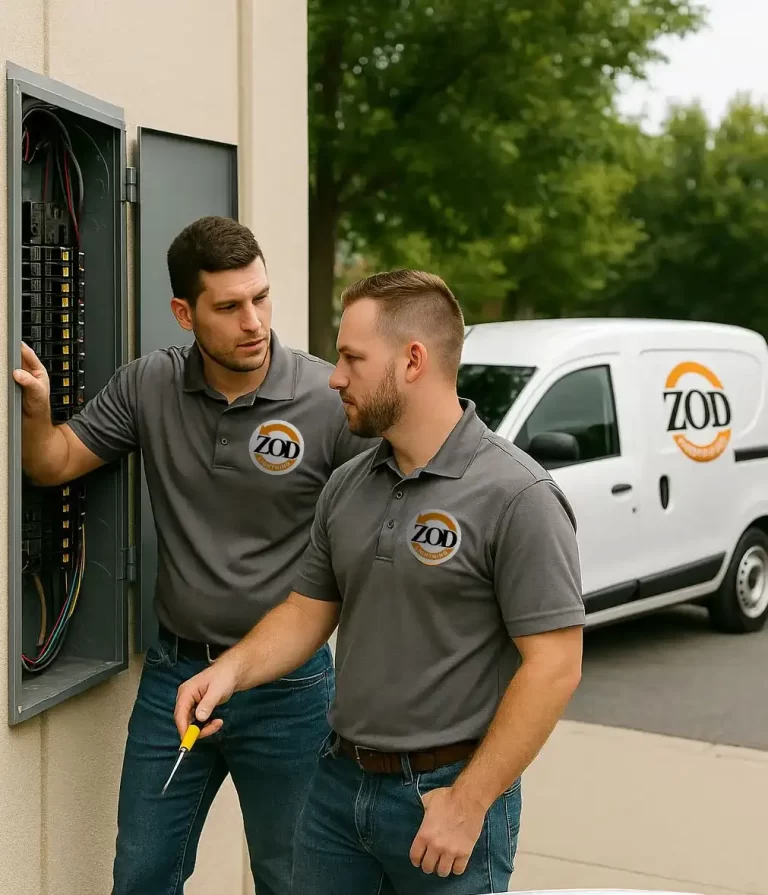
The installation of a surge protective device requires careful consideration of several factors, including the type of device, the location of the device, and the electrical system of your property. It is essential to consult with a qualified electrician to ensure that the device is installed correctly and functions effectively.
The installation process typically involves the following steps:
- Assessment of the electrical system
The electrician will assess the electrical system of your property to determine the type and size of the surge protective device required.
- Selection of the device
The electrician will select the surge protective device that best meets your needs and requirements.
- Installation of the device
The electrician will install the surge protective device at the designated location, ensuring that it is properly connected to the electrical system.
Maintenance and Inspection
Regular maintenance and inspection of the surge protective device are essential to ensure that it continues to function effectively. The device should be inspected annually by a qualified electrician to check for any signs of damage or wear.
The maintenance process typically involves the following steps:
Visual Inspection
The electrician will visually inspect the surge protective device to check for any signs of damage or wear.
Functional Testing
The electrician will perform functional testing to ensure that the device is operating correctly.
Replacement of Components
The electrician will replace any damaged or worn components to ensure that the device continues to function effectively.
Frequently Asked Questions
Protect Your Property From Lightning Damage
Contact ZOD today for a free site visit and lightning protection assessment.