Ensuring Safety With Earthing System
Discover the crucial role of earthing systems in protecting residential, commercial, and industrial properties in Lebanon from lightning strikes and electrical surges.
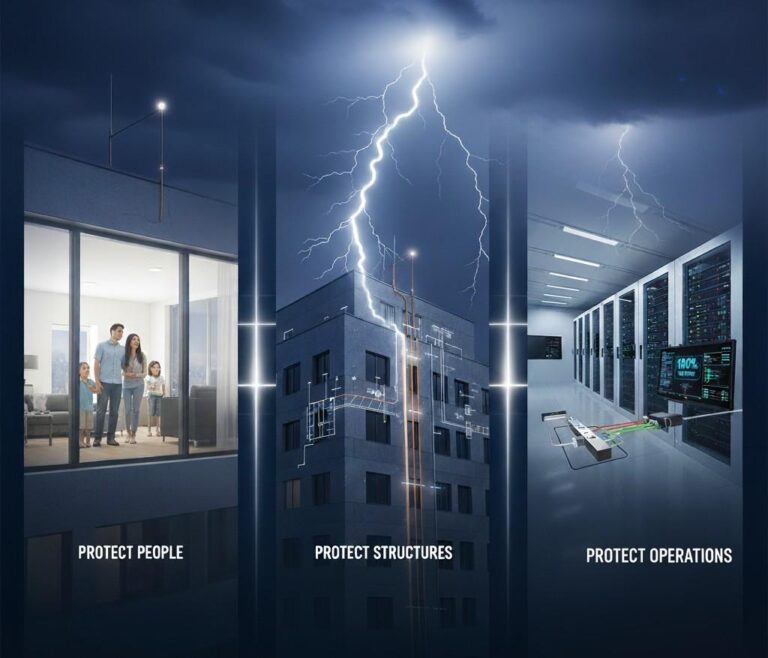
Lebanon, like many other countries, is prone to lightning strikes, which can cause significant damage to properties and pose a risk to human life. A well-designed earthing system is essential for protecting buildings from lightning strikes and electrical surges. In this article, we will explore the importance of earthing systems, their benefits, and how to ensure safety from lightning strikes and electrical surges.
Property owners, business owners, facility managers, and engineers in Lebanon must understand the risks associated with lightning strikes and electrical surges. A lightning strike can cause a power surge that can damage electrical equipment, start fires, and even lead to loss of life. An earthing system can help to prevent such disasters by providing a safe path for the electrical current to flow into the ground.
This article aims to educate readers on the importance of earthing systems, how they work, and the benefits they provide. By the end of this article, readers will have a better understanding of earthing systems and how to ensure their properties are protected from lightning strikes and electrical surges.
How Earthing Systems Work
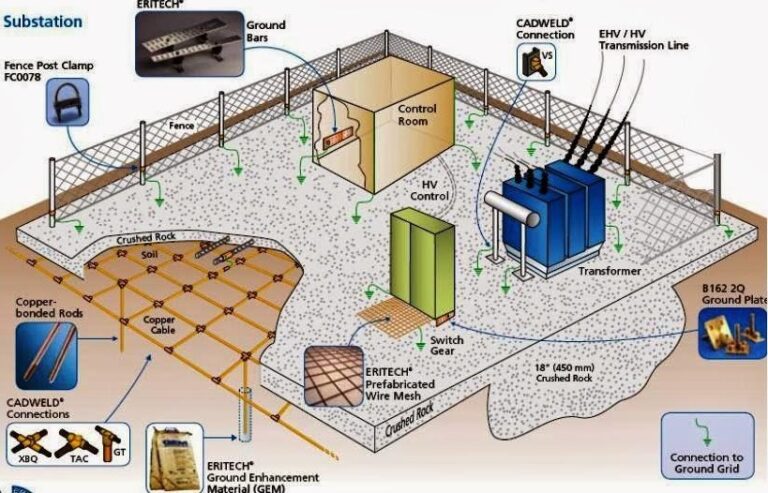
An earthing system is a network of conductors that provide a safe path for electrical current to flow into the ground. The system typically consists of a series of electrodes, such as copper rods or plates, that are buried in the ground and connected to the building’s electrical system. When a lightning strike occurs, the electrical current flows through the earthing system and into the ground, preventing damage to the building and its occupants.
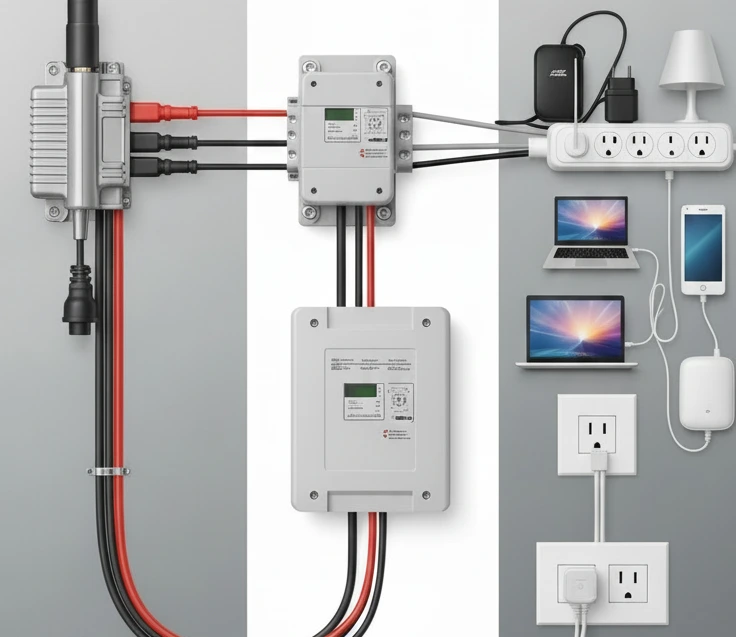
The earthing system also helps to prevent electrical surges, which can occur when there is a sudden increase in voltage in the electrical system. This can happen during a lightning strike, or when there is a fault in the electrical system. The earthing system provides a safe path for the surge to flow into the ground, preventing damage to electrical equipment and reducing the risk of fire.
- Step 1: Installation
The earthing system is installed by burying electrodes in the ground and connecting them to the building’s electrical system.
Benefits Of Earthing Systems
Earthing systems provide numerous benefits, including protecting buildings from lightning strikes and electrical surges, reducing the risk of fire, and preventing damage to electrical equipment. They also help to improve the overall safety of the building and its occupants.
In addition to the safety benefits, earthing systems can also help to reduce the risk of power outages and electrical faults. By providing a safe path for electrical current to flow into the ground, earthing systems can help to prevent damage to the electrical system and reduce the need for costly repairs.
Residential Properties
Earthing systems are essential for protecting residential properties from lightning strikes and electrical surges.
Recommended for: Homeowners, property managers
Commercial Properties
Earthing systems are crucial for protecting commercial properties from lightning strikes and electrical surges, which can cause significant damage and disruption to business operations.
Recommended for: Business owners, facility managers
Industrial Properties
Earthing systems are vital for protecting industrial properties from lightning strikes and electrical surges, which can cause significant damage to equipment and disrupt production.
Recommended for: Factory owners, facility managers
Maintenance And Inspection
Regular maintenance and inspection of the earthing system are essential to ensure its effectiveness and longevity. This includes checking the electrodes for corrosion, ensuring the connections are secure, and testing the system to ensure it is functioning correctly.
Property owners and facility managers should also ensure that the earthing system is inspected and tested regularly, ideally every 12 months, to ensure it remains effective and compliant with relevant standards and regulations.
Annual Inspection
Inspect the earthing system annually to ensure it remains effective and compliant with relevant standards and regulations.
Regular Maintenance
Perform regular maintenance tasks, such as checking the electrodes for corrosion and ensuring the connections are secure, to ensure the earthing system remains effective and functional.
Testing And Certification
Test and certify the earthing system regularly to ensure it remains compliant with relevant standards and regulations, and to provide assurance of its effectiveness.
Frequently Asked Questions
Protect Your Property From Lightning Damage
Contact ZOD today for a free site visit and lightning protection assessment.