Understanding Lightning Protection Systems
Discover the importance of lightning protection systems for your property in Lebanon and how they can save you from costly damages.
Lightning strikes can cause significant damage to properties in Lebanon, resulting in costly repairs and even loss of life. As a property owner, it is essential to understand the risks associated with lightning strikes and take necessary precautions to protect your property.
The importance of lightning protection systems cannot be overstated, especially in a country like Lebanon where thunderstorms are common. A lightning protection system is designed to protect your property from the damaging effects of lightning strikes, and it is an investment that can save you from costly damages in the long run.
In this article, we will discuss the basics of lightning protection systems, their components, and how they work to protect your property from lightning damage. We will also cover the different types of lightning protection systems available and the factors to consider when choosing a system for your property.
How Lightning Protection Systems Work
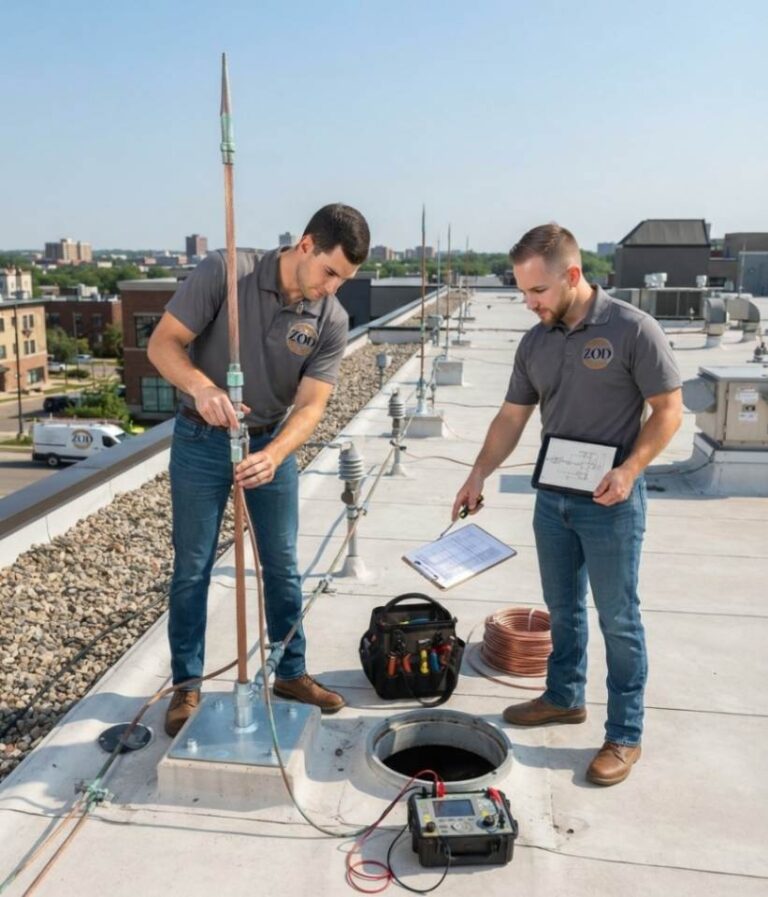
A lightning protection system is designed to protect your property from the damaging effects of lightning strikes by providing a safe path for the electrical discharge to follow. The system consists of several components, including air terminals, down conductors, and grounding systems.
The air terminals, also known as lightning rods, are installed on the roof of your property and are designed to attract the lightning strike. The down conductors then carry the electrical discharge from the air terminals to the grounding system, which dissipates the energy harmlessly into the earth.
Air Terminals
Primary
Air terminals, also known as lightning rods, are installed on the roof of your property and are designed to attract the lightning strike.
Down Conductors
Secondary
The down conductors carry the electrical discharge from the air terminals to the grounding system.
Grounding System
Tertiary
The grounding system dissipates the energy harmlessly into the earth.
Components of a Lightning Protection System
A lightning protection system consists of several components, including air terminals, down conductors, and grounding systems. Each component plays a critical role in protecting your property from lightning damage.
The air terminals, also known as lightning rods, are installed on the roof of your property and are designed to attract the lightning strike. The down conductors then carry the electrical discharge from the air terminals to the grounding system, which dissipates the energy harmlessly into the earth.
- Air Terminals
Air terminals, also known as lightning rods, are installed on the roof of your property and are designed to attract the lightning strike.
- Down Conductors
The down conductors carry the electrical discharge from the air terminals to the grounding system.
- Grounding System
The grounding system dissipates the energy harmlessly into the earth.
Frequently Asked Questions
Protect Your Property From Lightning Damage
Contact ZOD today for a free site visit and lightning protection assessment.