Surge Arrester Protection For Lebanese Properties
Understanding the importance of surge arrester devices in protecting residential, commercial, and industrial properties in Lebanon from power surges and lightning strikes.
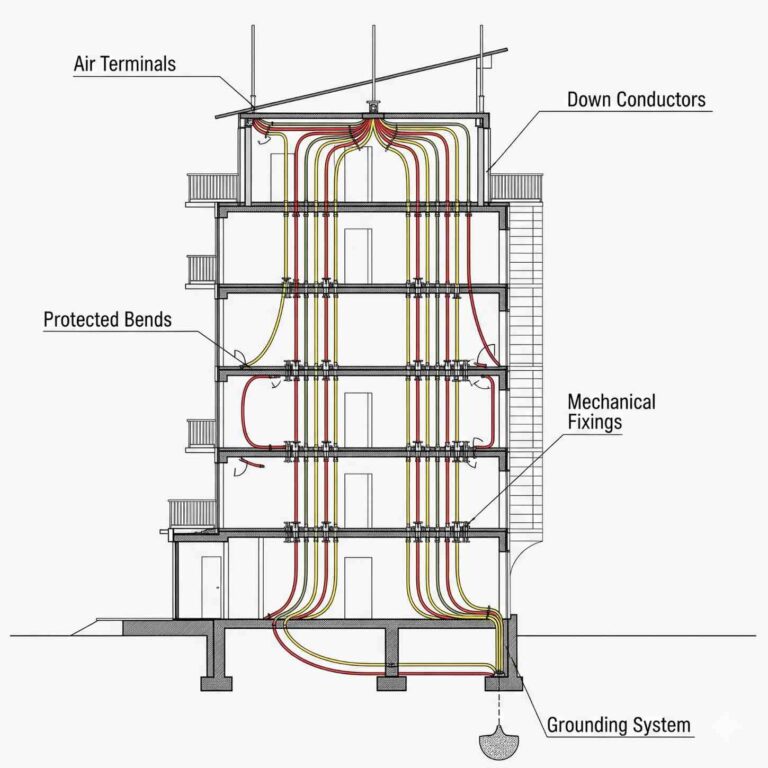
Lebanon experiences a significant number of lightning storms throughout the year, posing a threat to properties and electrical systems. A surge arrester is a critical component in protecting properties from power surges and lightning strikes. It is essential for property owners, facility managers, and engineers to understand the role of surge arrester devices in safeguarding their properties.
The topic of surge arrester devices is crucial for property owners in Lebanon, as it directly affects the safety and reliability of their electrical systems. A power surge or lightning strike can cause significant damage to electrical equipment, resulting in costly repairs and potential safety hazards. By installing a surge arrester device, property owners can ensure the protection of their properties and prevent financial losses.
In this article, readers will learn about the importance of surge arrester devices, how they work, and the benefits of installing them in properties. We will also discuss the different types of surge arrester devices available, their applications, and the factors to consider when selecting a suitable device for a particular property.
How Surge Arrester Devices Work
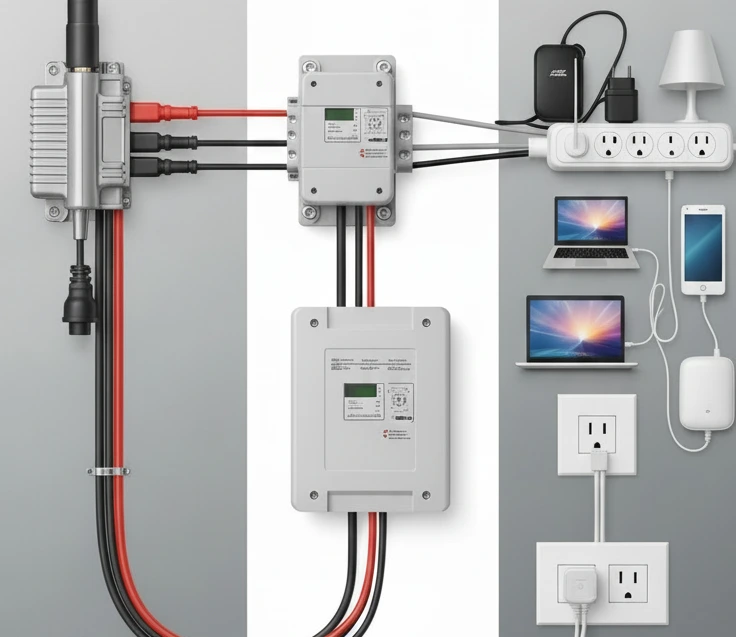
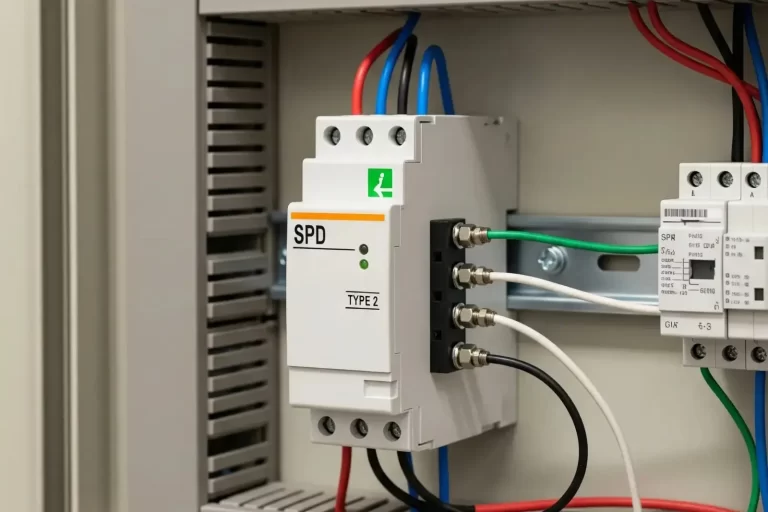
A surge arrester device is designed to protect electrical systems from power surges and lightning strikes by diverting the excess energy to the ground. The device is typically installed between the electrical panel and the service entrance, and it works by detecting the surge and redirecting it to the ground before it can cause damage to the electrical system.
The surge arrester device is usually composed of a series of components, including a sensing unit, a diversion unit, and a grounding unit. The sensing unit detects the surge and sends a signal to the diversion unit, which then redirects the excess energy to the grounding unit. The grounding unit is connected to the earth, providing a safe path for the excess energy to be discharged.
- Step 1: Detection
The sensing unit detects the power surge or lightning strike and sends a signal to the diversion unit.
- Step 2: Diversion
The diversion unit redirects the excess energy to the grounding unit.
- Step 3: Grounding
The grounding unit provides a safe path for the excess energy to be discharged to the earth.
Benefits Of Surge Arrester Devices
Surge arrester devices offer several benefits to property owners, including protection of electrical equipment, prevention of power outages, and reduction of maintenance costs. By installing a surge arrester device, property owners can ensure the safety and reliability of their electrical systems, preventing damage to equipment and reducing the risk of power outages.
Surge arrester devices can also help to reduce maintenance costs by preventing damage to electrical equipment. This can result in significant cost savings over time, as property owners will not need to replace damaged equipment or pay for costly repairs.
Protection Of Electrical Equipment
Surge arrester devices protect electrical equipment from power surges and lightning strikes, preventing damage and reducing the risk of power outages.
Recommended for: residential, commercial, and industrial properties
Prevention Of Power Outages
Surge arrester devices prevent power outages by diverting excess energy to the ground, ensuring the continuity of electrical services.
Recommended for: critical infrastructure and mission-critical facilities
Reduction Of Maintenance Costs
Surge arrester devices reduce maintenance costs by preventing damage to electrical equipment, resulting in significant cost savings over time.
Recommended for: property owners and facility managers
Types Of Surge Arrester Devices
There are several types of surge arrester devices available, including spark gap arresters, valve-type arresters, and metal oxide varistor (MOV) arresters. Each type of device has its own unique characteristics and applications, and property owners should select a device that is suitable for their specific needs.
Spark gap arresters are the most common type of surge arrester device, and they work by creating a spark gap between two electrodes. Valve-type arresters use a valve to divert the excess energy to the ground, while MOV arresters use a metal oxide varistor to absorb the excess energy.
Spark Gap Arrester
Type 1
Spark gap arresters are the most common type of surge arrester device, and they work by creating a spark gap between two electrodes.
Valve-Type Arrester
Type 2
Valve-type arresters use a valve to divert the excess energy to the ground, providing a high level of protection for electrical systems.
Metal Oxide Varistor (MOV) Arrester
Type 3
Metal oxide varistor (MOV) arresters use a metal oxide varistor to absorb the excess energy, providing a high level of protection for electrical systems.
Maintenance And Inspection Of Surge Arrester Devices
Regular maintenance and inspection of surge arrester devices are essential to ensure their effectiveness and reliability. Property owners should inspect their surge arrester devices regularly to ensure that they are functioning correctly and that there are no signs of damage or wear.
Property owners should also follow the manufacturer’s instructions for maintenance and inspection, and they should keep records of all maintenance and inspection activities. This will help to ensure that the surge arrester device is functioning correctly and that it is providing the necessary level of protection for the electrical system.
Regular Inspection
Regular inspection of surge arrester devices is essential to ensure their effectiveness and reliability.
Maintenance Records
Keeping records of all maintenance and inspection activities is essential to ensure that the surge arrester device is functioning correctly.
Scheduled Maintenance
Scheduled maintenance is essential to ensure that the surge arrester device is functioning correctly and that it is providing the necessary level of protection for the electrical system.
Frequently Asked Questions
Protect Your Property From Lightning Damage
Contact ZOD Lightning today for a free site visit and lightning protection assessment.