Lightning Conductor Safety For Lebanese Properties
Understanding the role of lightning conductors in protecting your property from lightning strikes and electrical surges.
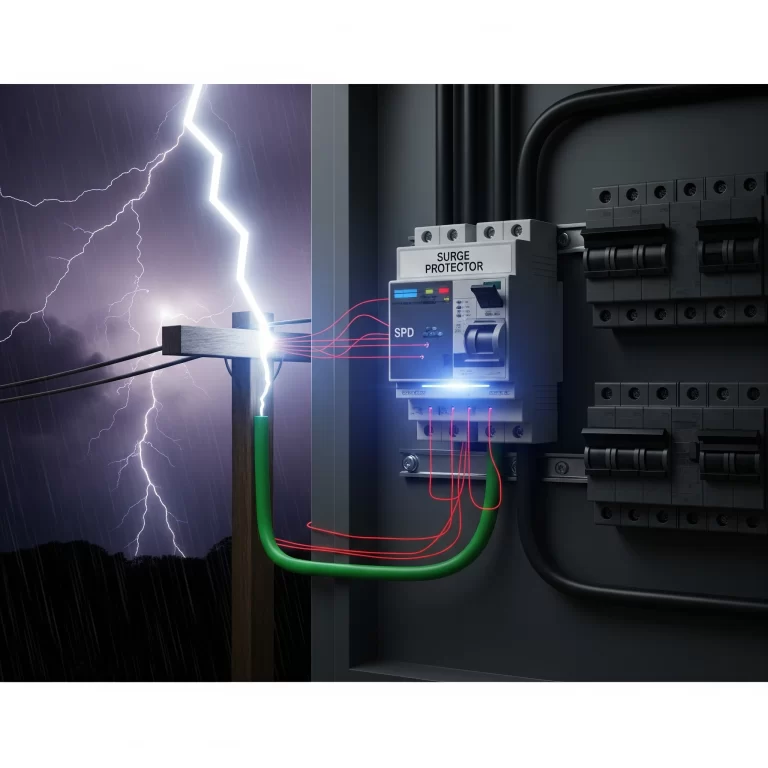
Lightning strikes can be devastating to properties, causing damage to structures, electrical systems, and even loss of life. In Lebanon, where thunderstorms are common, it is essential to have a reliable lightning protection system in place. A critical component of this system is the lightning conductor, which plays a vital role in directing lightning strikes harmlessly into the ground.
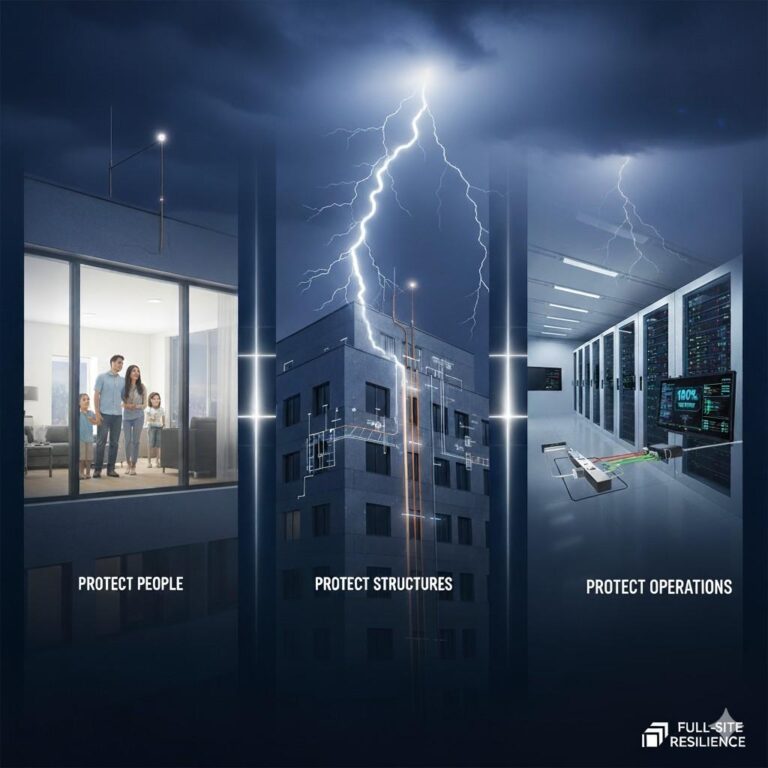
The importance of lightning conductors cannot be overstated, as they help to prevent damage to buildings, electrical systems, and equipment. Without a properly installed lightning conductor system, property owners risk significant financial losses, not to mention the potential for injury or loss of life. In this article, we will explore the role of lightning conductors, their importance, and how they can be installed to protect properties in Lebanon.
By the end of this article, readers will have a comprehensive understanding of lightning conductor systems, including their components, installation requirements, and maintenance needs. Whether you are a property owner, facility manager, or engineer, this information will be invaluable in helping you to protect your property from the risks associated with lightning strikes.
What Is A Lightning Conductor?
A lightning conductor, also known as a lightning rod, is a metal rod or system of rods that is installed on a building or structure to protect it from lightning strikes. The conductor is designed to attract lightning and direct it harmlessly into the ground, preventing damage to the building and its occupants.
Lightning conductors are typically made of copper or aluminum and are installed on the roof or exterior of a building. They are usually tall and slender, with a pointed tip to help attract lightning. The conductor is connected to a grounding system, which is designed to dissipate the electrical charge from the lightning strike into the earth.
- Types of lightning conductors include traditional rod-type conductors, early streamer emission conductors, and mesh-type conductors.
- Each type has its own unique characteristics and advantages, and the choice of conductor will depend on the specific needs of the property.
- It is essential to consult with a qualified engineer or lightning protection specialist to determine the best type of conductor for your property.
Installation And Maintenance Of Lightning Conductors
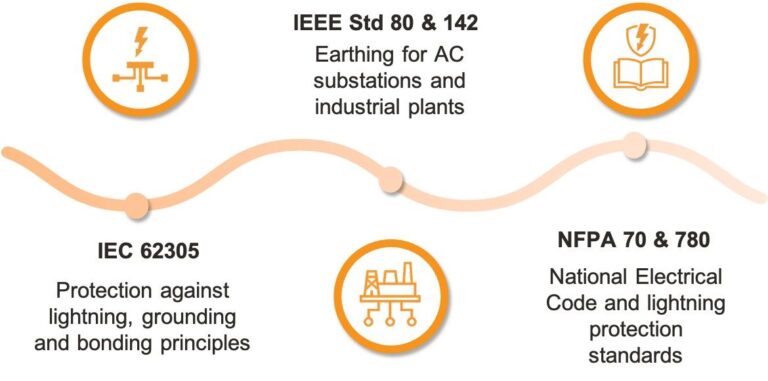
The installation of lightning conductors requires careful planning and execution to ensure that the system is effective and safe. The conductor must be installed in accordance with international standards, such as IEC 62305 or NFPA 780, to ensure that it can withstand the forces generated by a lightning strike.
Regular maintenance is also essential to ensure that the lightning conductor system remains effective. This includes inspecting the conductor and grounding system for damage or corrosion, and performing repairs or replacements as needed.
Annual Inspection
Inspect the lightning conductor and grounding system for damage or corrosion.
Repair And Replacement
Perform repairs or replacements to the lightning conductor and grounding system as needed.
Record Keeping
Keep records of inspections, repairs, and replacements to ensure that the system is properly maintained.
Common Myths About Lightning Conductors
There are several common myths about lightning conductors that can lead to misconceptions about their effectiveness and importance. One myth is that lightning conductors attract lightning, when in fact they simply provide a safe path for the electrical charge to follow.
Another myth is that lightning conductors are only necessary for tall buildings or structures, when in fact they are essential for any building or property that is at risk of lightning strikes.
Lightning conductors attract lightning.
FACT
Lightning conductors provide a safe path for the electrical charge to follow, but they do not attract lightning.
Frequently Asked Questions
Protect Your Property From Lightning Damage
Contact ZOD today for a free site visit and lightning protection assessment.