Surge Arrester Protection For Your Property
Discover the importance of surge arrester systems in safeguarding your residential, commercial, or industrial property in Lebanon from electrical surges and lightning strikes.
Lightning strikes can cause significant damage to properties in Lebanon, resulting in costly repairs and potentially harmful consequences. A surge arrester is a critical component in protecting your property from such events. It is essential to understand the role of a surge arrester in preventing damage to your electrical systems and equipment.
The installation of a surge arrester is particularly crucial in Lebanon, where lightning storms are common. Without proper protection, your property’s electrical systems can be severely damaged, leading to financial losses and safety risks. By investing in a surge arrester, you can ensure the longevity of your electrical equipment and prevent unnecessary expenses.
In this article, you will learn about the functions and benefits of a surge arrester, how it works, and why it is essential for property owners in Lebanon. You will also discover the different types of surge arresters available and how to choose the right one for your property.
What Is A Surge Arrester?
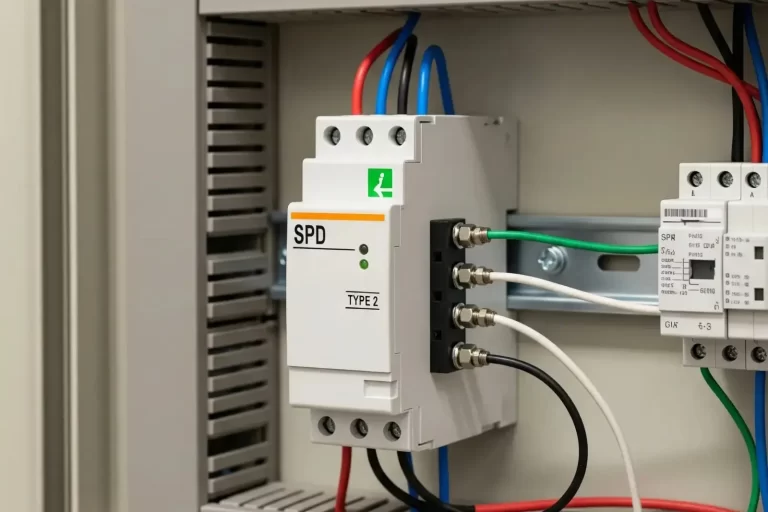
A surge arrester is a device designed to protect electrical systems from voltage surges and lightning strikes. It works by diverting excess energy away from the system, preventing damage to equipment and ensuring the continuity of electrical supply. Surge arresters are typically installed between the electrical panel and the service entrance, providing a barrier against power surges and lightning-induced currents.
The primary function of a surge arrester is to absorb or divert electrical surges, thereby safeguarding your property’s electrical systems. This is particularly important in Lebanon, where the risk of lightning strikes is high. By installing a surge arrester, you can minimize the risk of electrical damage and ensure the safety of your property and its occupants.
- Selection Criteria
When selecting a surge arrester, consider factors such as the type of electrical system, the level of protection required, and the device’s durability and maintenance requirements. It is essential to choose a surge arrester that meets the specific needs of your property and complies with international standards.
How Does A Surge Arrester Work?
A surge arrester works by detecting voltage surges and diverting excess energy away from the electrical system. This is achieved through the use of specialized components, such as varistors or spark gaps, which absorb or divert the surge current. The surge arrester is typically connected between the electrical panel and the service entrance, providing a protective barrier against power surges and lightning-induced currents.
The operation of a surge arrester can be divided into several stages, including detection, diversion, and absorption. During the detection stage, the surge arrester identifies the voltage surge and triggers the diversion process. The diversion stage involves the redirection of excess energy away from the electrical system, while the absorption stage absorbs any remaining energy, ensuring the continuity of electrical supply.
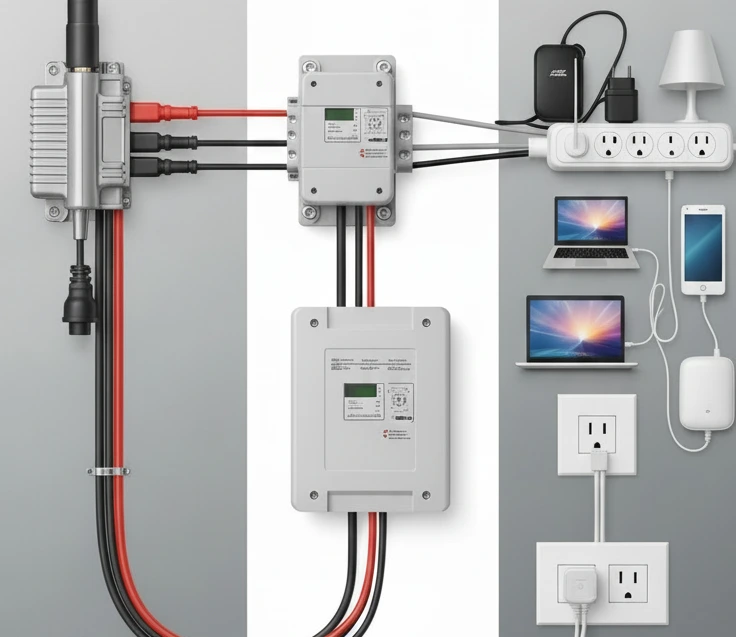
Surge Arrester Operation Diagram
Types Of Surge Arresters
There are several types of surge arresters available, each designed to provide a specific level of protection. The most common types include metal oxide varistor (MOV) surge arresters, gas tube surge arresters, and spark gap surge arresters. Each type has its own advantages and disadvantages, and the choice of surge arrester depends on the specific needs of your property.
MOV surge arresters are the most widely used type, due to their high energy absorption capacity and relatively low cost. Gas tube surge arresters, on the other hand, offer high surge current handling capability and are often used in industrial applications. Spark gap surge arresters provide high voltage protection and are typically used in high-voltage systems.
Metal Oxide Varistor (MOV) Surge Arrester
High energy absorption capacity, relatively low cost, and widely used in residential and commercial applications.
Recommended for: Residential and commercial properties.
Gas Tube Surge Arrester
High surge current handling capability, often used in industrial applications, and provides high level of protection.
Recommended for: Industrial properties and high-voltage systems.
Spark Gap Surge Arrester
Provides high voltage protection, typically used in high-voltage systems, and offers high level of surge current handling capability.
Recommended for: High-voltage systems and industrial applications.
Maintenance And Inspection
Regular maintenance and inspection of your surge arrester are crucial to ensure its continued effectiveness. This includes visual inspections, electrical testing, and replacement of worn-out components. It is recommended to perform these tasks annually, or as specified by the manufacturer.
Failure to maintain and inspect your surge arrester can result in reduced protection, equipment damage, and even safety risks. By investing in regular maintenance and inspection, you can ensure the longevity of your electrical systems and prevent unnecessary expenses.
Visual Inspection
Check for signs of damage, wear, or corrosion on the surge arrester and its components.
Electrical Testing
Perform electrical tests to ensure the surge arrester is functioning correctly and providing adequate protection.
Component Replacement
Replace worn-out or damaged components to ensure the continued effectiveness of the surge arrester.
Frequently Asked Questions
Protect Your Property From Lightning Damage
Contact ZOD today for a free site visit and lightning protection assessment.