Understanding Lightning Arrester Importance
Discover the crucial role of lightning arresters in safeguarding residential, commercial, and industrial properties in Lebanon from lightning damage.
Lightning strikes are a common occurrence in Lebanon, posing a significant threat to properties and human life. A single lightning strike can cause catastrophic damage to buildings, resulting in costly repairs and even loss of life. This is where a lightning arrester comes into play, serving as a vital component in protecting properties from the devastating effects of lightning strikes.
The importance of lightning arresters cannot be overstated, particularly in a country like Lebanon where thunderstorms are frequent. By installing a lightning arrester, property owners can significantly reduce the risk of lightning-related damage and ensure the safety of their occupants. In this article, we will delve into the world of lightning arresters, exploring their function, benefits, and importance in protecting properties from lightning strikes.
Throughout this article, you will learn about the different types of lightning arresters, their installation and maintenance requirements, and the role they play in safeguarding properties from lightning damage. You will also gain insight into the Lebanese context, where lightning strikes are a common occurrence, and understand the importance of investing in a reliable lightning arrester system.
What Is A Lightning Arrester?
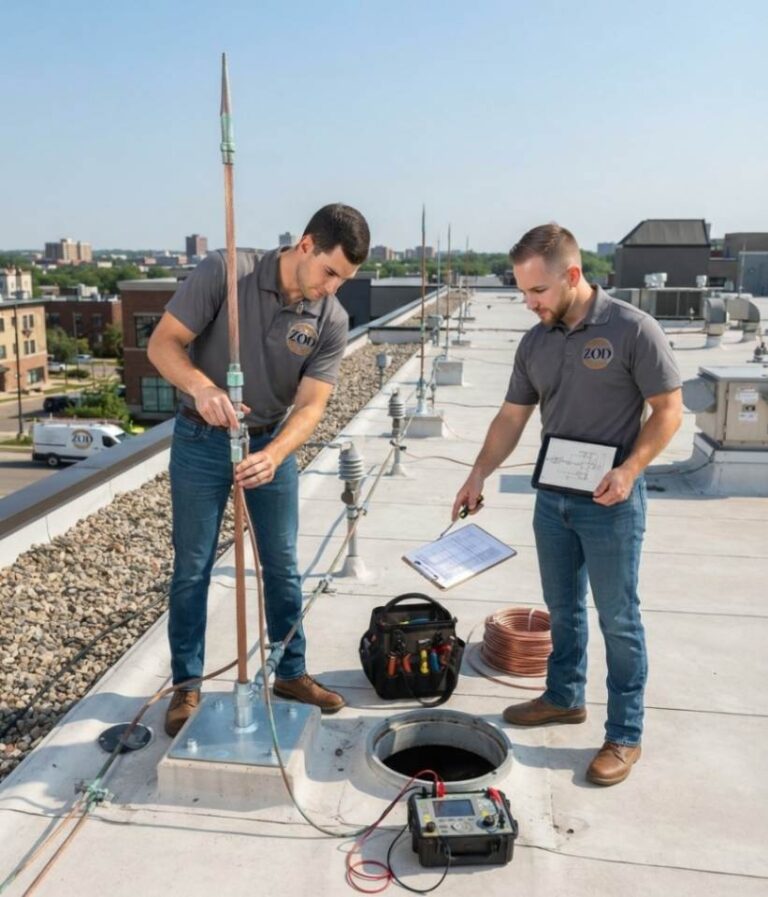
A lightning arrester is a device designed to protect electrical systems and properties from the damaging effects of lightning strikes. It works by diverting the electrical discharge from a lightning strike away from the property, thereby preventing damage to the building and its occupants. Lightning arresters are typically installed on rooftops, near electrical panels, or at the point of entry for electrical services.
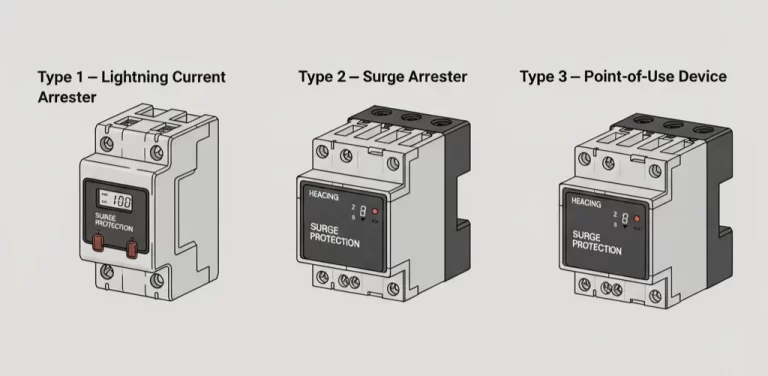
There are several types of lightning arresters available, including surge arresters, spark gaps, and horn gaps. Each type has its unique characteristics and advantages, and the choice of which one to use depends on the specific requirements of the property and the level of protection needed.
- Selection Criteria
When selecting a lightning arrester, property owners should consider factors such as the type of property, the level of lightning activity in the area, and the required level of protection. It is also essential to consult with a qualified lightning protection specialist to ensure the correct installation and maintenance of the lightning arrester system.
How Lightning Arresters Work
Lightning arresters work by providing a path to ground for the electrical discharge from a lightning strike. When a lightning strike occurs, the arrester diverts the discharge away from the property, preventing damage to the building and its occupants. The arrester is designed to withstand the high voltage and current of a lightning strike, and it is typically connected to a grounding system to ensure a safe path to ground.
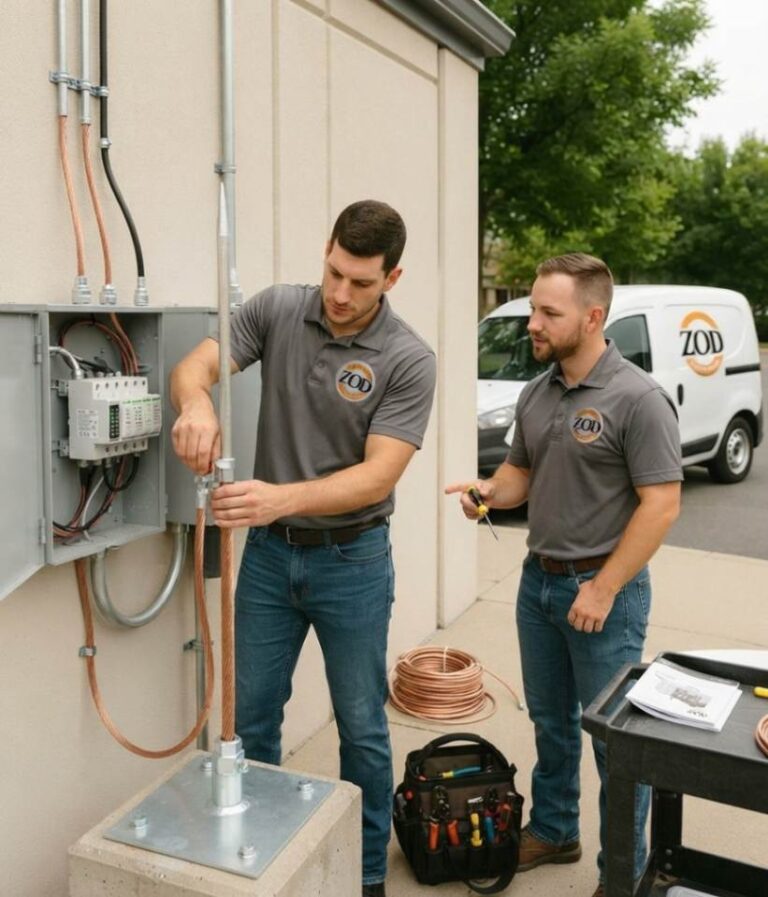
The installation of a lightning arrester system involves several components, including the arrester itself, a grounding system, and a conductor to connect the arrester to the grounding system. The conductor should be sized correctly to handle the high current of a lightning strike, and the grounding system should be designed to provide a low impedance path to ground.
Lightning Arrester Operation
Maintenance And Inspection
Regular maintenance and inspection of lightning arrester systems are crucial to ensure their effectiveness in protecting properties from lightning strikes. Property owners should inspect the arrester and grounding system regularly to ensure they are in good condition and functioning correctly.
Inspections should be performed by a qualified lightning protection specialist, who can identify potential issues and recommend repairs or replacement as needed. The specialist should also verify that the arrester is properly connected to the grounding system and that the conductor is sized correctly to handle the high current of a lightning strike.
Regular Inspections
Inspect the arrester and grounding system regularly to ensure they are in good condition and functioning correctly.
Repairs And Replacement
Perform repairs or replacement as needed to ensure the effectiveness of the lightning arrester system.
Record Keeping
Keep records of inspections, repairs, and replacement to ensure compliance with regulatory requirements and to track the effectiveness of the lightning arrester system.
Frequently Asked Questions
Protect Your Property From Lightning Damage
Contact ZOD Lightning today for a free site visit and lightning protection assessment to ensure your property is protected from lightning strikes.