Understanding Lightning Arrester Importance
Discover the crucial role of lightning arrester in safeguarding residential, commercial, and industrial properties in Lebanon from devastating lightning strikes.
Lightning strikes are a common occurrence in Lebanon, posing a significant threat to properties and human lives. A lightning arrester plays a critical role in protecting buildings from such strikes. It is essential to understand the importance of lightning arrester in preventing damage to properties and ensuring the safety of occupants.
The topic of lightning arrester is crucial for property owners in Lebanon, as it can help them make informed decisions about protecting their investments. By understanding how lightning arrester works, property owners can take proactive measures to safeguard their properties and prevent potential losses.
In this article, readers will learn about the fundamentals of lightning arrester, its types, and its applications in protecting properties from lightning strikes. They will also gain insights into the benefits of installing lightning arrester and how it can contribute to a safer and more secure environment.
What Is A Lightning Arrester
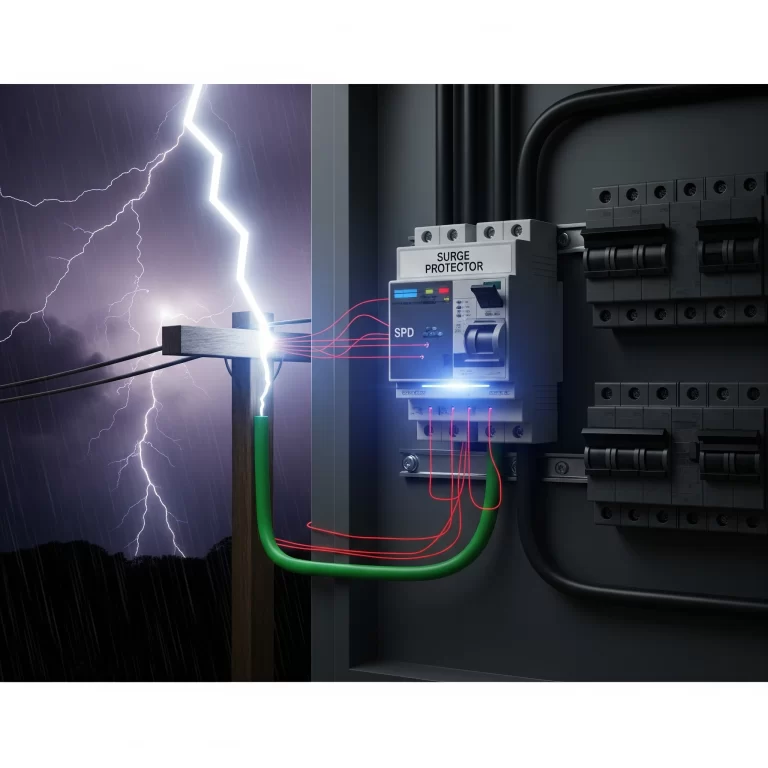
A lightning arrester is a device designed to protect electrical systems and buildings from lightning strikes. It works by diverting the surge of electricity from a lightning strike into the ground, preventing damage to the building and its occupants. Lightning arrester is an essential component of a comprehensive lightning protection system.
The primary function of a lightning arrester is to prevent the flow of excessive electrical current into a building. This is achieved by providing a path to ground for the lightning strike, thereby protecting the building’s electrical system and its occupants from the harmful effects of the strike.
- Step 1: Installation
Lightning arrester is typically installed on the roof of a building or on a tower, and it is connected to a down conductor that runs to the ground.
- Step 2: Activation
When a lightning strike occurs, the lightning arrester is activated, and it diverts the electrical surge into the ground, preventing damage to the building and its occupants.
- Step 3: Maintenance
Regular maintenance of the lightning arrester is essential to ensure its proper functioning and to prevent any potential risks.
How Lightning Arrester Works
Lightning arrester works by using a spark gap or a valve to divert the electrical surge from a lightning strike into the ground. The spark gap is designed to ionize and become conductive when a high voltage is applied, allowing the electrical surge to flow to ground. The valve, on the other hand, is designed to open and allow the electrical surge to flow to ground when a high voltage is applied.
The lightning arrester is typically connected to a down conductor that runs to the ground, providing a path for the electrical surge to flow. The down conductor is usually made of a conductive material, such as copper or aluminum, and it is designed to withstand the high currents associated with lightning strikes.
Spark Gap Type
This type of lightning arrester uses a spark gap to divert the electrical surge into the ground. It is a simple and effective design that is widely used in many applications.
Recommended for: Residential and commercial properties
Valve Type
This type of lightning arrester uses a valve to divert the electrical surge into the ground. It is a more complex design that is typically used in industrial applications.
Recommended for: Industrial properties and high-risk applications
Hybrid Type
This type of lightning arrester combines the features of spark gap and valve type arresters. It is a versatile design that can be used in a variety of applications.
Recommended for: Properties with complex electrical systems
Benefits Of Lightning Arrester
Lightning arrester offers several benefits, including protection of buildings and their occupants from lightning strikes, prevention of damage to electrical systems, and reduction of risk of fire. It also provides a safe and reliable way to divert electrical surges into the ground, preventing any potential harm to people or property.
Lightning arrester is an essential component of a comprehensive lightning protection system, and it is widely used in many applications, including residential, commercial, and industrial properties. It is also used in high-risk applications, such as airports, hospitals, and power plants.
Primary Protection
Essential
This layer provides primary protection against lightning strikes, diverting the electrical surge into the ground and preventing damage to the building and its occupants.
Secondary Protection
Recommended
This layer provides secondary protection against lightning strikes, protecting the building’s electrical system and preventing any potential damage.
Tertiary Protection
Optional
This layer provides tertiary protection against lightning strikes, protecting specific equipment or systems within the building.
Maintenance And Inspection
Regular maintenance and inspection of lightning arrester are essential to ensure its proper functioning and to prevent any potential risks. The maintenance and inspection process typically involves checking the arrester’s spark gap or valve, verifying the down conductor’s integrity, and ensuring the arrester is properly grounded.
It is also important to follow the manufacturer’s recommendations for maintenance and inspection, as well as any relevant industry standards or regulations. Failure to maintain and inspect the lightning arrester can result in reduced effectiveness, increased risk of damage, and potential harm to people or property.
Scheduled Maintenance
Regularly scheduled maintenance is essential to ensure the lightning arrester is functioning properly and to prevent any potential risks.
Inspection
Regular inspection of the lightning arrester is crucial to identify any potential issues or defects, and to ensure the arrester is properly grounded and functioning correctly.
Testing
Regular testing of the lightning arrester is necessary to verify its effectiveness and to ensure it is functioning correctly.
Important Safety Considerations
It is essential to note that lightning arrester is not a substitute for proper lightning protection. A comprehensive lightning protection system should include multiple components, such as air terminals, down conductors, and ground rods, to provide adequate protection against lightning strikes.
Additionally, it is crucial to follow all relevant safety guidelines and industry standards when installing, maintaining, or inspecting lightning arrester, as well as any other components of a lightning protection system.
Key Safety Tip
Always hire a qualified and experienced professional to install, maintain, or inspect lightning arrester and other components of a lightning protection system.
Frequently Asked Questions
Protect Your Property From Lightning Damage
Contact ZOD today for a free site visit and lightning protection assessment.