Lightning Strikes Lebanon: Understanding The Risks
Discover the importance of lightning protection for residential, commercial, and industrial properties in Lebanon.
Lebanon experiences a significant number of lightning strikes every year, posing a considerable risk to properties and lives. Lightning strikes can cause devastating damage to buildings, infrastructure, and the environment. It is essential for property owners, business owners, facility managers, and engineers to understand the risks associated with lightning strikes in Lebanon.
The frequency and severity of lightning strikes in Lebanon make it crucial for property owners to take proactive measures to protect their properties. Lightning protection systems can help prevent damage to buildings, reduce the risk of fire, and protect people and equipment from the harmful effects of lightning strikes. In this article, we will explore the risks associated with lightning strikes in Lebanon and discuss the importance of lightning protection systems.
By reading this article, you will gain a comprehensive understanding of lightning strikes in Lebanon, including the risks they pose, the importance of lightning protection systems, and the steps you can take to protect your property. You will also learn about the different types of lightning protection systems, their components, and how they work to safeguard your property against lightning damage.
Understanding Lightning Strikes
Lightning is a massive electrostatic discharge that occurs during thunderstorms. It can strike the ground, buildings, or other objects, causing significant damage and posing a risk to people and equipment. In Lebanon, lightning strikes are more frequent during the summer months, when thunderstorms are more common.
Lightning strikes can be classified into two main types: direct strikes and indirect strikes. Direct strikes occur when lightning hits a building or object directly, while indirect strikes occur when lightning hits the ground nearby, causing a surge of electricity to flow through the ground and into nearby objects.
- Direct strikes can cause significant damage to buildings and infrastructure, including fires, explosions, and structural damage.
- Indirect strikes can cause damage to equipment and electronics, as well as pose a risk to people and animals.
Lightning Protection Systems
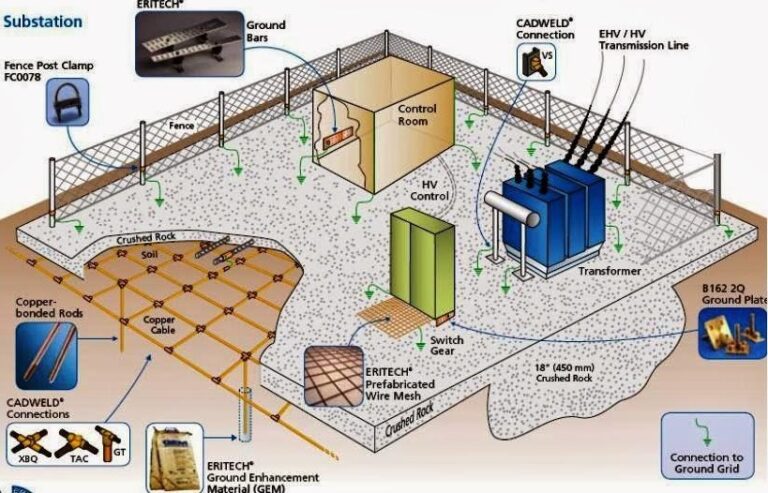
Lightning protection systems are designed to protect buildings and infrastructure from the harmful effects of lightning strikes. These systems typically consist of a network of conductors, including lightning rods, down conductors, and ground electrodes, that work together to direct lightning strikes harmlessly into the ground.
Lightning protection systems can be customized to meet the specific needs of a building or property. They can be installed on new buildings or retrofitted onto existing structures. In Lebanon, it is essential to ensure that lightning protection systems are designed and installed in accordance with international standards, such as IEC 62305 and NFPA 780.
Residential Lightning Protection
Lightning protection systems for residential properties can help protect homes and families from the risks associated with lightning strikes.
Recommended for: Homeowners and residents.
Commercial Lightning Protection
Lightning protection systems for commercial properties can help protect businesses and employees from the risks associated with lightning strikes.
Recommended for: Business owners and facility managers.
Industrial Lightning Protection
Lightning protection systems for industrial properties can help protect equipment, infrastructure, and personnel from the risks associated with lightning strikes.
Recommended for: Industrial facility managers and engineers.
Maintenance And Inspection
Regular maintenance and inspection of lightning protection systems are crucial to ensure they function correctly and provide adequate protection. In Lebanon, it is recommended to inspect lightning protection systems at least once a year, or after a lightning strike.
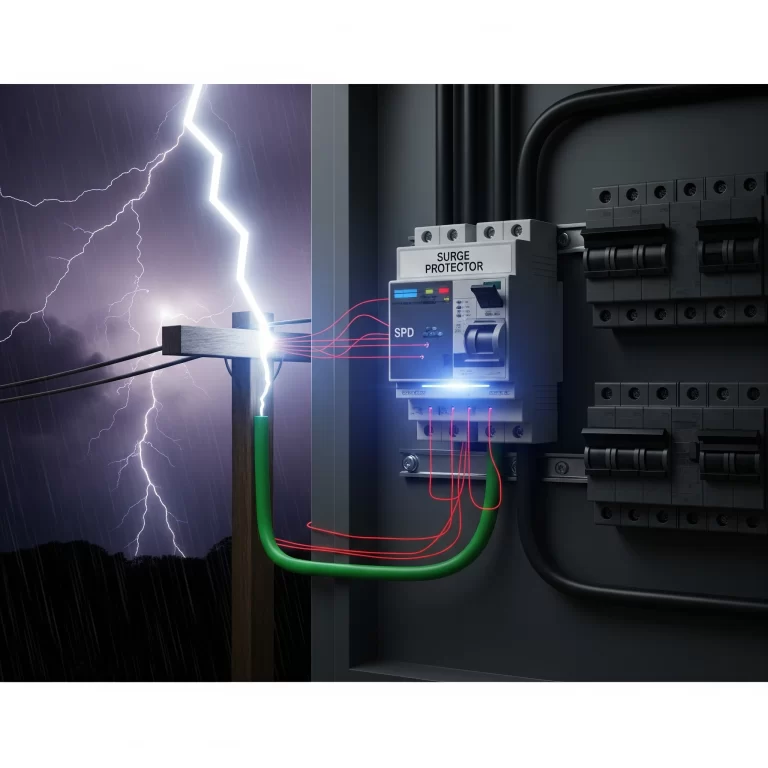
Maintenance and inspection tasks may include checking the condition of conductors, ensuring proper grounding, and verifying the functionality of surge protection devices. It is essential to hire trained and certified technicians to perform these tasks, as they require specialized knowledge and equipment.
Scheduled Maintenance
Regularly scheduled maintenance can help prevent equipment failure and ensure the lightning protection system functions correctly.
Repair And Replacement
Timely repair and replacement of damaged or faulty components can help prevent system failure and ensure continued protection.
Inspection And Testing
Regular inspection and testing can help identify potential issues and ensure the lightning protection system is functioning correctly.
Frequently Asked Questions
Protect Your Property From Lightning Damage
Contact ZOD today for a free site visit and lightning protection assessment.