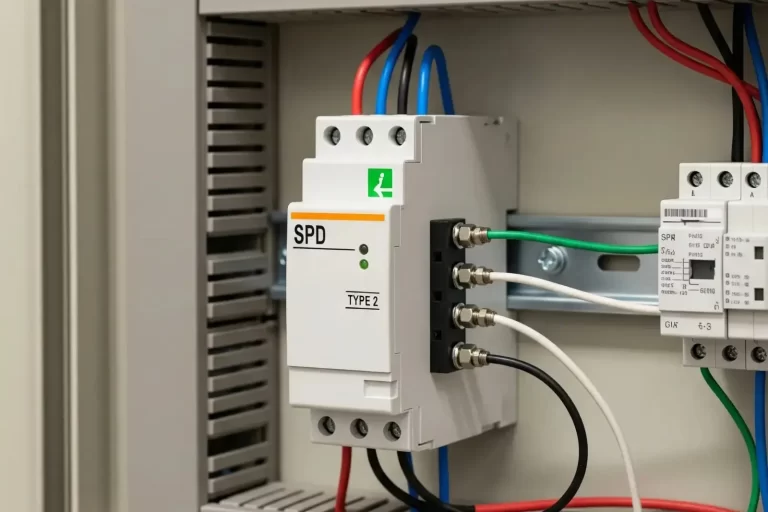
Surge Protective Device
Understanding the importance of surge protection for your Lebanese property, and how a surge protective device can save you from financial losses.
Lebanon experiences a significant number of thunderstorms every year, which can cause power surges and damage to electrical equipment. A surge protective device is essential for protecting your property from such damage.
Property owners in Lebanon often underestimate the risk of power surges and lightning strikes, which can result in significant financial losses. In fact, a single lightning strike can cause damage to multiple pieces of equipment, leading to costly repairs and downtime.
In this article, you will learn about the importance of surge protection, how a surge protective device works, and what to consider when selecting a surge protective device for your property.
What Is A Surge Protective Device
A surge protective device is a device designed to protect electrical equipment from power surges and lightning strikes. It works by diverting excess energy away from the equipment, thereby preventing damage.
There are different types of surge protective devices available, including surge arresters, surge protectors, and transient voltage surge suppressors. Each type has its own unique characteristics and applications.
Surge Arrester
A surge arrester is a device that protects equipment from lightning strikes. It works by diverting the lightning strike away from the equipment.
Recommended for: outdoor applications
Surge Protector
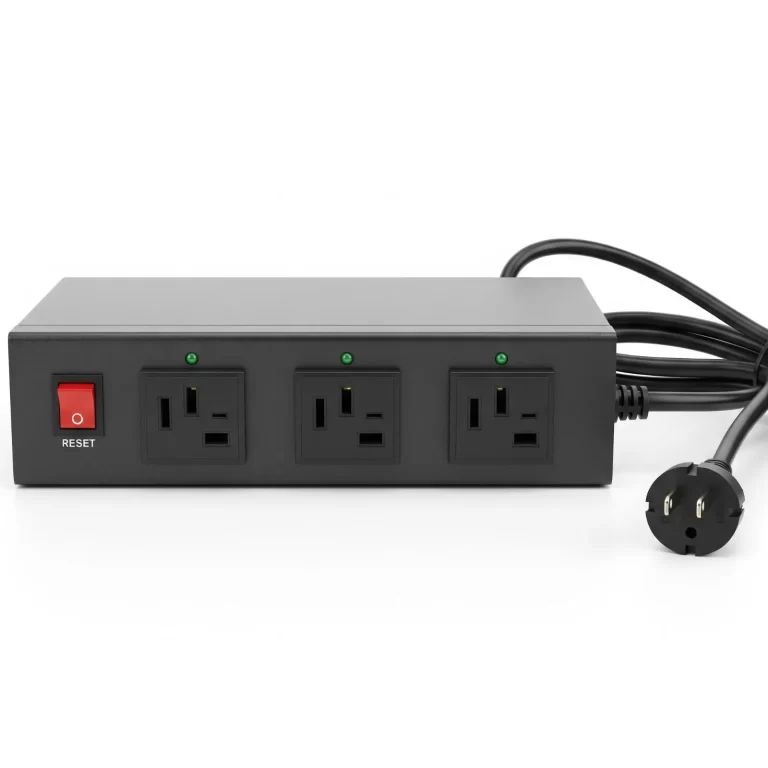
A surge protector is a device that protects equipment from power surges. It works by absorbing or diverting the excess energy.
Recommended for: indoor applications
Transient Voltage Surge Suppressor
A transient voltage surge suppressor is a device that protects equipment from transient voltage surges. It works by clamping the voltage to a safe level.
Recommended for: sensitive equipment
How A Surge Protective Device Works
A surge protective device works by monitoring the voltage and current flowing through the electrical system. When a power surge or lightning strike is detected, the device kicks in to divert the excess energy away from the equipment.
The device uses a variety of components, including metal oxide varistors, gas tubes, and spark gaps, to absorb or divert the excess energy. The choice of component depends on the type of surge protective device and the application.
- Step 1: Monitoring
The surge protective device monitors the voltage and current flowing through the electrical system.
- Step 2: Detection
The device detects a power surge or lightning strike and kicks in to divert the excess energy.
- Step 3: Diversion
The device diverts the excess energy away from the equipment, thereby preventing damage.
Benefits Of Using A Surge Protective Device
Using a surge protective device can provide several benefits, including protection of equipment, reduction of downtime, and cost savings. By protecting equipment from power surges and lightning strikes, a surge protective device can help prevent damage and reduce the need for costly repairs.
In addition, a surge protective device can help reduce downtime by preventing equipment failure. This can be especially important for businesses that rely on critical equipment to operate.
Protection Layer
Primary
The surge protective device provides a primary layer of protection against power surges and lightning strikes.
Equipment Layer
Secondary
The equipment itself provides a secondary layer of protection, with features such as surge-resistant components and protective circuits.
Warning Layer
Tertiary
The surge protective device can provide a tertiary layer of protection, with features such as warning indicators and alarm systems.
Maintenance And Inspection Of Surge Protective Devices
Regular maintenance and inspection of surge protective devices is essential to ensure they are functioning properly. This includes checking the device for damage, verifying the proper installation, and testing the device to ensure it is working correctly.
In addition, it is recommended to replace the surge protective device every 5-10 years, or as recommended by the manufacturer. This can help ensure the device continues to provide effective protection against power surges and lightning strikes.
Visual Inspection
Check the device for damage, such as cracks or burns, and verify the proper installation.
Functional Testing
Test the device to ensure it is working correctly, using a variety of methods such as voltage and current measurements.
Scheduled Replacement
Replace the surge protective device every 5-10 years, or as recommended by the manufacturer.
Frequently Asked Questions
Protect Your Property From Lightning Damage
Contact ZOD today for a free site visit and lightning protection assessment.