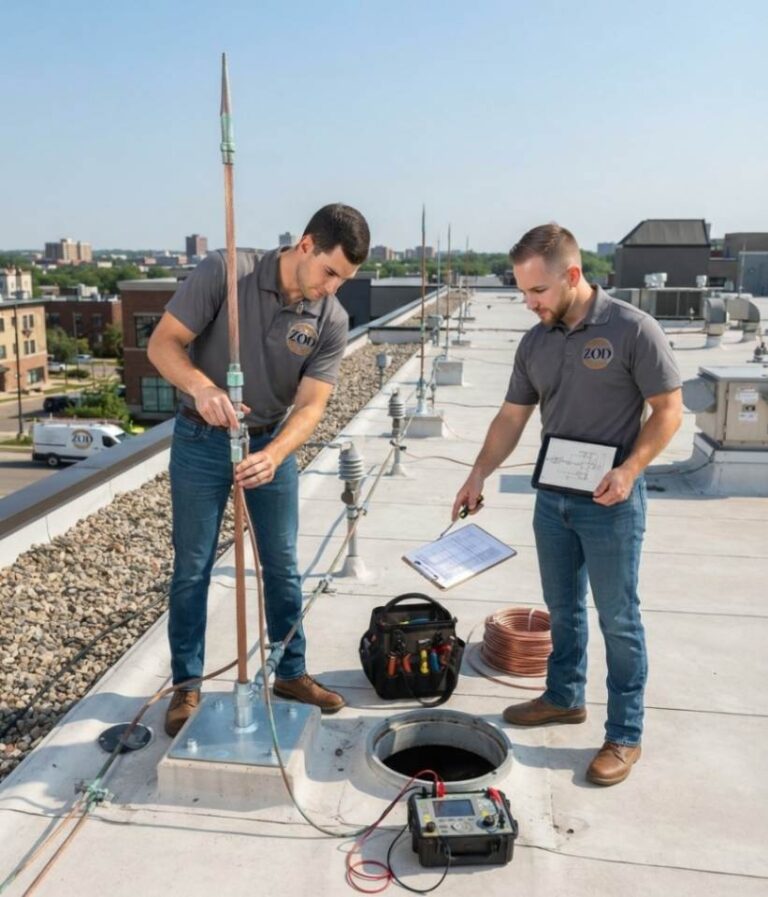
Importance Of Earthing System
Understanding the role of earthing system in safeguarding your property against lightning strikes and electrical surges in Lebanon.
Lightning strikes are a common occurrence in Lebanon, posing a significant threat to properties and lives. A well-designed earthing system is crucial in protecting buildings from the devastating effects of lightning strikes. In Lebanon, where lightning storms are frequent, it is essential to have a reliable earthing system in place.
The earthing system plays a vital role in ensuring the safety of a building’s occupants and electrical equipment. It provides a path for electrical currents to safely flow into the ground, preventing damage to the building and its contents. Without a proper earthing system, a lightning strike can cause significant damage, including fires, explosions, and electrical shocks.
In this article, we will delve into the world of earthing systems, exploring their importance, components, and installation requirements. We will also discuss the different types of earthing systems, their applications, and the benefits of having a well-designed earthing system in place.
What Is An Earthing System
An earthing system, also known as a grounding system, is a network of conductors and electrodes that provide a safe path for electrical currents to flow into the ground. The system consists of a series of interconnected components, including earth electrodes, grounding conductors, and bonding jumpers.
The earthing system is designed to protect buildings from lightning strikes and electrical surges by providing a low-impedance path to ground. This path allows electrical currents to safely flow into the ground, preventing damage to the building and its contents.
-
Earth electrodes, such as rods or plates, are installed in the ground to provide a connection to the earth. -
Grounding conductors, such as cables or wires, connect the earth electrodes to the building’s electrical system. -
Bonding jumpers, such as clamps or connectors, connect the grounding conductors to the building’s metal components, such as pipes and ducts.
Components Of An Earthing System
The components of an earthing system are designed to work together to provide a safe and reliable path for electrical currents to flow into the ground. The main components of an earthing system include earth electrodes, grounding conductors, and bonding jumpers.
Earth electrodes, such as rods or plates, are installed in the ground to provide a connection to the earth. The earth electrodes are typically made of copper or copper-clad steel and are designed to provide a low-impedance connection to the ground.
Earth Electrodes
Earth electrodes, such as rods or plates, are installed in the ground to provide a connection to the earth.
Recommended for: Residential, commercial, and industrial properties.
Grounding Conductors
Grounding conductors, such as cables or wires, connect the earth electrodes to the building’s electrical system.
Recommended for: Buildings with complex electrical systems.
Bonding Jumpers
Bonding jumpers, such as clamps or connectors, connect the grounding conductors to the building’s metal components, such as pipes and ducts.
Recommended for: Buildings with metal components.
Installation And Maintenance Of Earthing Systems
The installation and maintenance of earthing systems are critical to ensuring their effectiveness. The installation process typically involves the following steps:
- Step 1: Site Assessment
A site assessment is conducted to determine the best location for the earth electrodes and to identify any potential hazards or obstacles.
- Step 2: Earth Electrode Installation
The earth electrodes are installed in the ground, typically to a depth of 10-15 meters.
- Step 3: Grounding Conductor Installation
The grounding conductors are installed, connecting the earth electrodes to the building’s electrical system.
Important Safety Note
The installation and maintenance of earthing systems should only be performed by trained and certified technicians to ensure safety and compliance with relevant standards and regulations.
Frequently Asked Questions
Protect Your Property From Lightning Damage
Contact ZOD today for a free site visit and lightning protection assessment.