Protecting Your Property From Lightning Damage
Understanding the importance of lightning & surge protection for residential, commercial, and industrial properties in Lebanon.
Lightning strikes can cause significant damage to properties in Lebanon, resulting in costly repairs and potentially harmful situations for occupants. It is essential for property owners to understand the risks associated with lightning strikes and take necessary measures to protect their properties.
The topic of lightning & surge protection is crucial for property owners in Lebanon, as the country experiences a significant number of lightning strikes during thunderstorms. These strikes can cause power surges, fires, and damage to electrical systems, highlighting the need for effective protection measures.
In this article, readers will learn about the importance of lightning & surge protection, the different types of protection systems available, and how to choose the right solution for their property. We will also discuss the benefits of regular maintenance and inspection of protection systems to ensure they remain effective.
Understanding Lightning Strikes
Lightning strikes are a natural phenomenon that can occur during thunderstorms. They can cause significant damage to properties, including power surges, fires, and damage to electrical systems. It is essential for property owners to understand the risks associated with lightning strikes and take necessary measures to protect their properties.
Lightning strikes can be classified into two main types: direct strikes and indirect strikes. Direct strikes occur when lightning hits a property directly, while indirect strikes occur when lightning hits a nearby object, such as a tree or a power line, and the electrical current travels to the property through the ground or other conductive materials.
- Direct Strike
A direct strike occurs when lightning hits a property directly, causing significant damage to the structure and its occupants.
- Indirect Strike
An indirect strike occurs when lightning hits a nearby object, such as a tree or a power line, and the electrical current travels to the property through the ground or other conductive materials.
Lightning Protection Systems
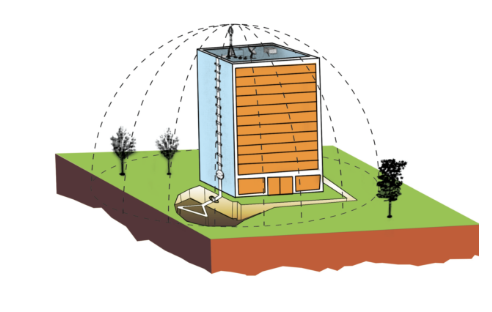
Lightning protection systems are designed to protect properties from lightning strikes. These systems typically consist of a lightning rod, a down conductor, and a grounding system. The lightning rod attracts the lightning strike, while the down conductor directs the electrical current to the ground, where it is safely dispersed.
There are different types of lightning protection systems available, including traditional systems, early streamer emission systems, and mesh systems. Each type of system has its own advantages and disadvantages, and the choice of system depends on the specific needs of the property.
Traditional Systems
Traditional lightning protection systems are the most common type of system used. They consist of a lightning rod, a down conductor, and a grounding system.
Recommended for: Small to medium-sized properties
Early Streamer Emission Systems
Early streamer emission systems are a type of lightning protection system that uses a special type of lightning rod to attract lightning strikes.
Recommended for: Large properties or properties with high lightning strike risks
Mesh Systems
Mesh systems are a type of lightning protection system that uses a network of conductors to protect properties from lightning strikes.
Recommended for: Properties with complex architectures or multiple buildings
Maintenance and Inspection
Regular maintenance and inspection of lightning protection systems are essential to ensure they remain effective. Property owners should inspect their systems annually to ensure they are functioning correctly and make any necessary repairs or replacements.
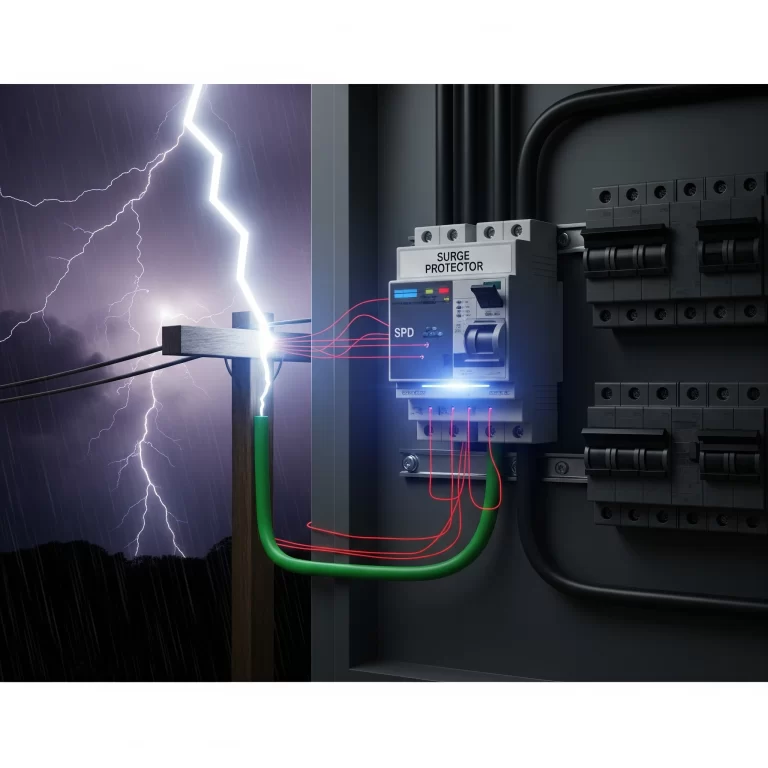
Property owners can also take steps to prevent lightning strikes from occurring in the first place. This includes trimming trees and shrubs to prevent them from growing too close to the property, avoiding the use of metal objects during thunderstorms, and installing surge protection devices to protect electrical systems.
Annual Inspection
Property owners should inspect their lightning protection systems annually to ensure they are functioning correctly.
Repair and Replacement
Property owners should repair or replace any damaged or worn-out components of their lightning protection systems.
Tree Trimming
Property owners should trim trees and shrubs to prevent them from growing too close to the property.
Frequently Asked Questions
Protect Your Property From Lightning Damage
Contact ZOD Lightning today for a free site visit and lightning protection assessment.