Understanding Lightning Conductor Systems
Discover the crucial role of lightning conductors in safeguarding residential, commercial, and industrial properties in Lebanon.
Lightning strikes are a common occurrence in Lebanon, posing a significant threat to properties and human life. A lightning conductor, also known as a lightning rod, is a critical component of a lightning protection system, designed to attract lightning and direct it harmlessly into the ground. This simple yet effective technology has been used for centuries to protect buildings from lightning damage.
The importance of lightning conductors cannot be overstated, particularly in a country like Lebanon where thunderstorms are frequent during certain times of the year. Without a properly installed lightning conductor system, a property is at risk of sustaining significant damage, including fires, structural damage, and power outages. Furthermore, the risk of injury or death to occupants is also greatly increased.
In this article, we will delve into the world of lightning conductors, exploring their history, functionality, and importance in protecting properties in Lebanon. We will also discuss the different types of lightning conductors available, their installation, and maintenance requirements. By the end of this article, readers will have a comprehensive understanding of lightning conductor systems and their vital role in safeguarding properties against lightning damage.
History Of Lightning Conductors
The concept of lightning conductors dates back to the 18th century, when American inventor Benjamin Franklin conducted extensive research on lightning. Franklin’s famous kite experiment in 1752 demonstrated the connection between lightning and electricity, leading to the development of the first lightning rod. Since then, lightning conductors have undergone significant improvements, with modern systems incorporating advanced materials and technologies.
Today, lightning conductors are an essential component of lightning protection systems, used to protect a wide range of properties, from residential homes to commercial and industrial buildings. Their effectiveness in preventing lightning damage has been proven time and again, with numerous studies demonstrating the significant reduction in lightning-related incidents in properties equipped with lightning conductor systems.
- Early Developments
The first lightning rods were made of metal, typically iron or copper, and were installed on buildings to attract lightning. These early systems were relatively simple, consisting of a single rod or a series of rods connected to a grounding system.
How Lightning Conductors Work
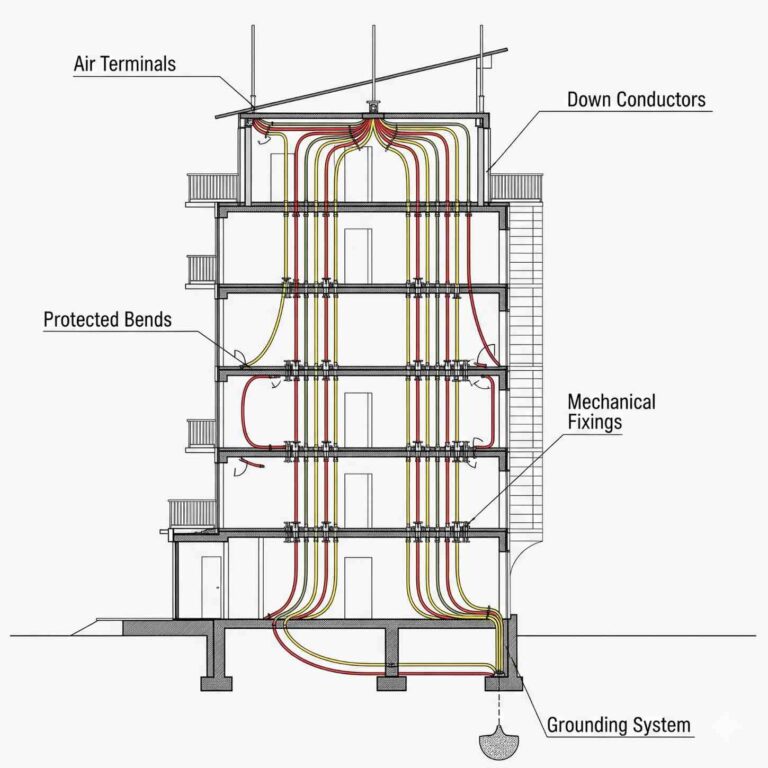
A lightning conductor works by attracting lightning and directing it into the ground, where it can cause no harm. The conductor is typically installed on the roof of a building or on a tall structure, such as a tower or a mast. When lightning strikes the conductor, it is drawn into the grounding system, which consists of a network of conductors and electrodes that dissipate the electrical charge into the earth.
The science behind lightning conductors is based on the principle of electrostatic attraction. Lightning is a massive electrical discharge that occurs during thunderstorms, and it is attracted to tall objects, such as buildings or trees. By installing a lightning conductor on a building, the risk of a direct lightning strike is significantly reduced, as the conductor provides a safe path for the electrical charge to follow.
Air Terminals
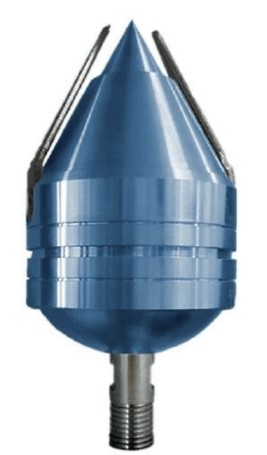
Air terminals are the components of a lightning conductor system that protrude above the roof or structure, attracting lightning and directing it into the conductor. They are typically made of metal and are designed to withstand the high temperatures and electrical forces generated by a lightning strike.
Recommended for: Residential and commercial properties.
Down Conductors
Down conductors are the components of a lightning conductor system that carry the electrical charge from the air terminals to the grounding system. They are typically made of metal and are designed to withstand the high currents generated by a lightning strike.
Recommended for: Industrial and commercial properties.
Grounding Electrodes
Grounding electrodes are the components of a lightning conductor system that dissipate the electrical charge into the earth. They are typically made of metal and are designed to provide a low-resistance path to ground.
Recommended for: All properties, including residential, commercial, and industrial.
Maintenance And Inspection
Regular maintenance and inspection of lightning conductor systems are crucial to ensure their effectiveness in protecting properties from lightning damage. This includes checking the air terminals, down conductors, and grounding electrodes for damage or corrosion, as well as verifying that the system is properly grounded and connected to the electrical panel.
Property owners should also ensure that their lightning conductor system is installed and maintained by a qualified and experienced technician, as improper installation or maintenance can significantly reduce the system’s effectiveness. Additionally, property owners should keep records of maintenance and inspection activities, including dates, times, and details of work performed.
Scheduled Maintenance
Regularly scheduled maintenance is essential to ensure the effectiveness of a lightning conductor system. This includes annual inspections and maintenance activities, such as cleaning and tightening connections.
Repair And Replacement
Repairs and replacements of damaged or corroded components are critical to maintaining the effectiveness of a lightning conductor system. This includes replacing air terminals, down conductors, and grounding electrodes as needed.
Inspection And Testing
Regular inspection and testing of a lightning conductor system are essential to ensure its effectiveness. This includes verifying that the system is properly grounded and connected to the electrical panel, as well as testing the system’s resistance to ground.
Frequently Asked Questions
Protect Your Property From Lightning Damage
Contact ZOD today for a free site visit and lightning protection assessment.