Protecting Your Property: Lightning Protection Lebanon
Understanding the importance of lightning protection for your property in Lebanon to prevent damage and ensure safety.
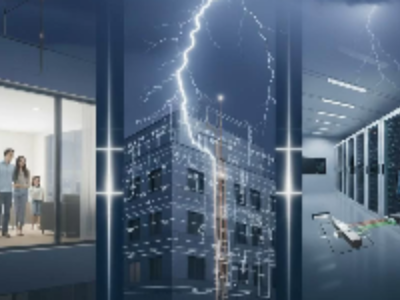
Lightning strikes can cause significant damage to properties, resulting in financial losses and risks to human life. In Lebanon, where thunderstorms are common, it is crucial for property owners to consider lightning protection. Lightning protection Lebanon is a specialized field that involves the installation of systems designed to protect buildings from lightning strikes.
The topic of lightning protection matters to property owners in Lebanon because it directly affects the safety and integrity of their investments. A lightning strike can damage electrical systems, start fires, and even cause structural damage to a building. By understanding the risks and taking proactive measures, property owners can mitigate these risks and ensure the continuity of their operations.
In this article, readers will learn about the basics of lightning protection, the risks associated with lightning strikes, and the measures that can be taken to protect properties in Lebanon. We will also discuss the different types of lightning protection systems, their components, and the importance of regular maintenance and inspection.
Understanding Lightning Strikes
Lightning is a massive electrostatic discharge that occurs between the clouds and the ground or within the clouds. In Lebanon, lightning strikes are a common occurrence during thunderstorms. The frequency and severity of lightning strikes make it essential for property owners to consider lightning protection.
Lightning strikes can cause significant damage to properties, including power outages, electrical fires, and structural damage. The impact of a lightning strike can be devastating, resulting in financial losses and risks to human life. By understanding the risks associated with lightning strikes, property owners can take proactive measures to protect their properties.
- Lightning strikes can damage electrical systems and cause power outages.
- Lightning strikes can start fires and cause structural damage to buildings.
- Lightning strikes can result in financial losses and risks to human life.
Lightning Protection Systems
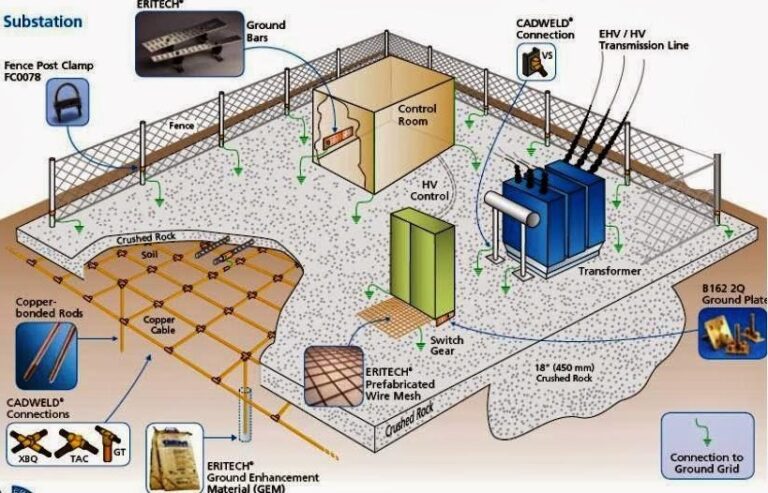
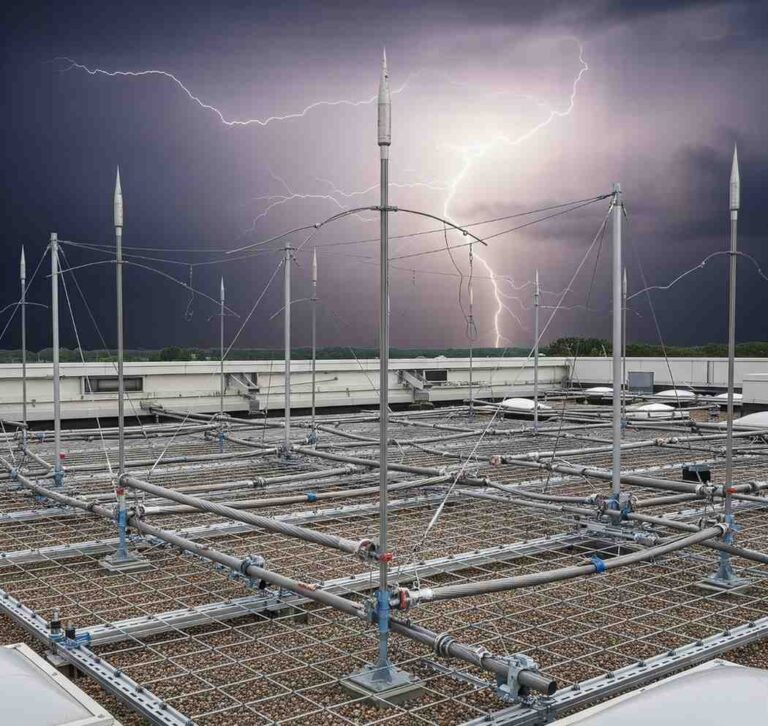
Lightning protection systems are designed to protect buildings from lightning strikes. These systems typically consist of a lightning rod, a down conductor, and a grounding system. The lightning rod attracts the lightning strike, while the down conductor directs the electrical discharge to the ground. The grounding system provides a safe path for the electrical discharge to follow, preventing damage to the building.
There are different types of lightning protection systems, including traditional systems, early streamer emission systems, and mesh systems. Each type of system has its advantages and disadvantages, and the choice of system depends on the specific needs of the property.
Traditional Systems
Traditional lightning protection systems are the most common type of system. They consist of a lightning rod, a down conductor, and a grounding system.
Recommended for: Residential and commercial properties.
Early Streamer Emission Systems
Early streamer emission systems are designed to attract lightning strikes before they reach the building. They consist of a specialized lightning rod and a control unit.
Recommended for: Industrial and high-rise properties.
Mesh Systems
Mesh systems are designed to provide comprehensive protection for large properties. They consist of a network of conductors and grounding points.
Recommended for: Large commercial and industrial properties.
Maintenance and Inspection
Regular maintenance and inspection are crucial for ensuring the effectiveness of lightning protection systems. Property owners should inspect their systems annually to ensure that they are functioning correctly. This includes checking the lightning rod, down conductor, and grounding system for damage or corrosion.
In addition to annual inspections, property owners should also perform routine maintenance tasks, such as cleaning the lightning rod and down conductor, and ensuring that the grounding system is functioning correctly. By performing these tasks, property owners can ensure that their lightning protection system is functioning correctly and providing comprehensive protection for their property.
Annual Inspections
Property owners should inspect their lightning protection systems annually to ensure that they are functioning correctly.
Routine Maintenance
Property owners should perform routine maintenance tasks, such as cleaning the lightning rod and down conductor, and ensuring that the grounding system is functioning correctly.
Repair and Replacement
Property owners should repair or replace damaged components of their lightning protection system to ensure that it is functioning correctly.
Frequently Asked Questions
Protect Your Property From Lightning Damage
Contact ZOD today for a free site visit and lightning protection assessment.