Lightning Conductor Safety For Lebanese Properties
Understanding the importance of lightning conductor systems in protecting your property from lightning damage.
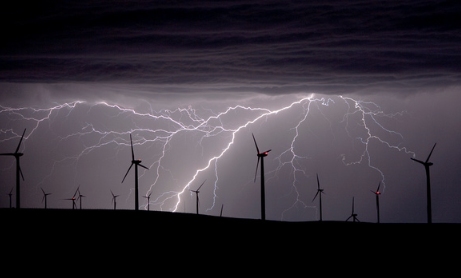
Lebanon experiences a significant number of lightning storms every year, posing a threat to properties and lives. A lightning conductor, also known as a lightning rod, is a crucial component in protecting buildings from lightning strikes. It works by attracting lightning and directing it harmlessly into the ground, thus preventing damage to the structure and its occupants.
The topic of lightning conductor systems is of great importance to property owners in Lebanon, as it directly affects the safety and security of their assets. A well-installed and maintained lightning conductor system can provide peace of mind and protect against the devastating effects of a lightning strike. In this article, we will delve into the world of lightning conductors, exploring their functionality, installation, and maintenance requirements.
By the end of this article, readers will have a comprehensive understanding of lightning conductor systems, including their benefits, types, and installation procedures. This knowledge will enable property owners to make informed decisions regarding the protection of their properties and ensure a safe environment for occupants.
How Lightning Conductors Work
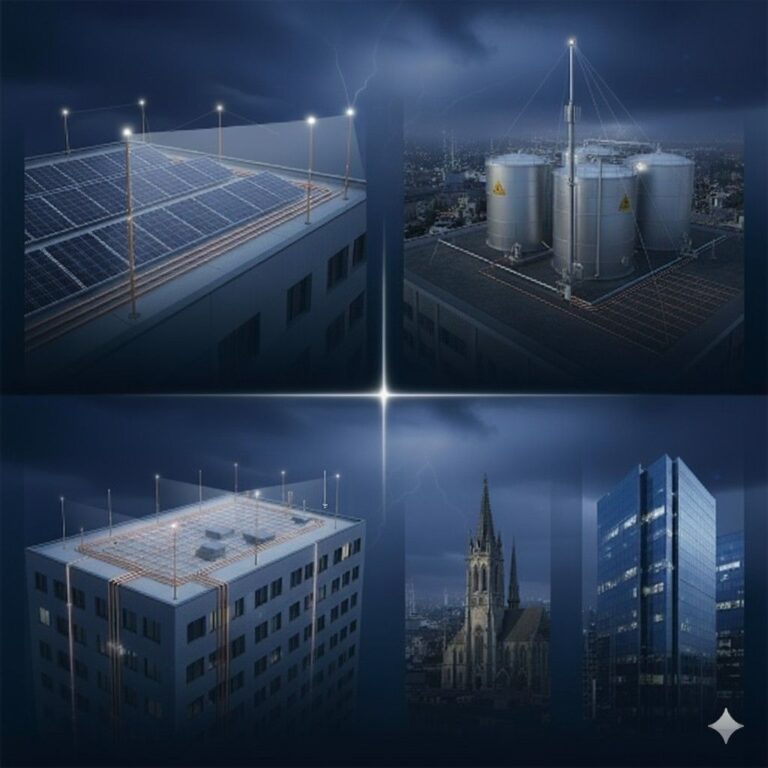
A lightning conductor is essentially a metal rod that is installed on the roof of a building, connected to a down conductor, and grounded in the earth. Its purpose is to provide a path for the electrical discharge from a lightning strike to follow, thereby protecting the building and its occupants from harm. The lightning conductor is designed to attract the lightning strike, directing it away from the building and into the ground, where it can cause no damage.
The science behind lightning conductors is based on the principles of electricity and the behavior of lightning. When a lightning strike occurs, it is attracted to the tallest object in the surrounding area, which is often a building. The lightning conductor, being the tallest and most conductive object, attracts the lightning strike and provides a safe path for the electrical discharge to follow.
- Step 1: Lightning Strike
A lightning strike occurs in the vicinity of the building, and the lightning conductor attracts the electrical discharge.
- Step 2: Down Conductor
The lightning conductor directs the electrical discharge down the down conductor, which is connected to the grounding system.
- Step 3: Grounding
The electrical discharge is safely directed into the ground, where it can cause no damage to the building or its occupants.
Installation And Maintenance Requirements
The installation of a lightning conductor system requires careful planning and execution to ensure its effectiveness. The system must be designed and installed in accordance with international standards, such as IEC 62305, to guarantee the safety of the building and its occupants.
Regular maintenance is also essential to ensure the continued effectiveness of the lightning conductor system. This includes inspecting the system for damage or wear and tear, cleaning the down conductor, and testing the grounding system to ensure it is functioning correctly.
Annual Inspection
Inspect the lightning conductor system for damage or wear and tear.
Cleaning The Down Conductor
Clean the down conductor to ensure it remains conductive and functional.
Grounding System Test
Test the grounding system to ensure it is functioning correctly and providing a safe path for electrical discharges.
Frequently Asked Questions
Protect Your Property From Lightning Damage
Contact ZOD today for a free site visit and lightning protection assessment.