Understanding Lightning Protection Lebanon
Discover the importance of lightning protection systems in safeguarding your property in Lebanon.
Lightning strikes can cause significant damage to properties, resulting in costly repairs and even loss of life. In Lebanon, where thunderstorms are common, it is essential to have a lightning protection system in place. A lightning protection system is designed to protect a building from lightning strikes by providing a path for the electrical discharge to follow, thereby preventing damage to the structure and its occupants.
The importance of lightning protection cannot be overstated. Lightning strikes can occur at any time, and they can be devastating. In addition to the physical damage caused by a lightning strike, there is also the risk of fire and electrical shock. A lightning protection system can help to mitigate these risks, providing peace of mind for property owners and occupants.
In this article, we will explore the concept of lightning protection Lebanon, including the different types of lightning protection systems available, how they work, and their benefits. We will also discuss the importance of regular maintenance and inspection of lightning protection systems to ensure they remain effective.
How Lightning Protection Systems Work
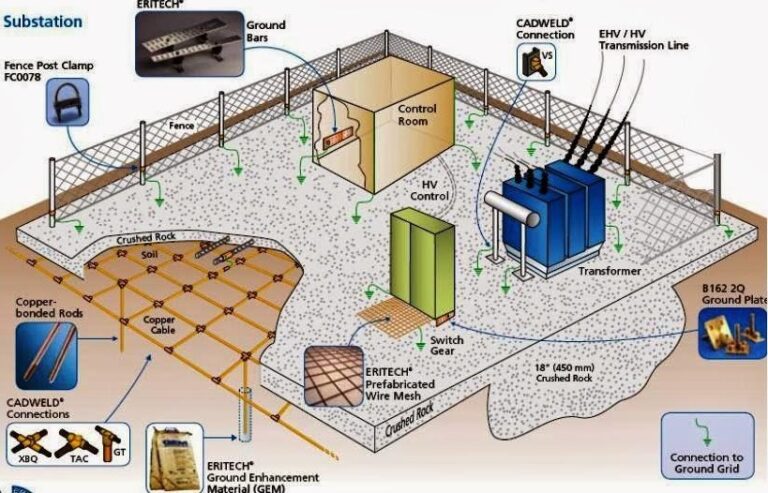
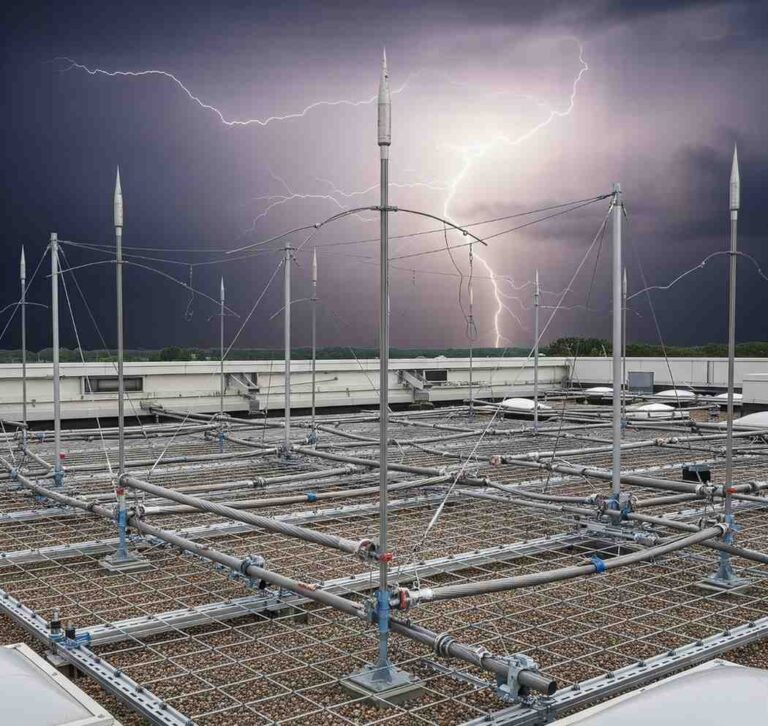
A lightning protection system typically consists of a network of conductors, including a lightning rod, down conductors, and a grounding system. The lightning rod is designed to attract the lightning strike, while the down conductors provide a path for the electrical discharge to follow to the ground. The grounding system is designed to dissipate the electrical charge into the earth, preventing damage to the building and its occupants.
The system works by providing a path of least resistance for the lightning strike to follow. When a lightning strike occurs, the electrical discharge follows the path of least resistance, which is the lightning protection system. The system then directs the discharge to the ground, where it is safely dissipated.
- Step 1: Lightning Strike
A lightning strike occurs, and the electrical discharge is attracted to the lightning rod.
- Step 2: Down Conductors
The electrical discharge follows the down conductors to the ground.
- Step 3: Grounding System
The electrical discharge is dissipated into the earth, preventing damage to the building and its occupants.
Benefits of Lightning Protection Systems
Lightning protection systems offer a number of benefits, including protection of people and property, reduction of damage to electrical systems, and reduction of downtime. They can also help to reduce insurance costs and provide peace of mind for property owners and occupants.
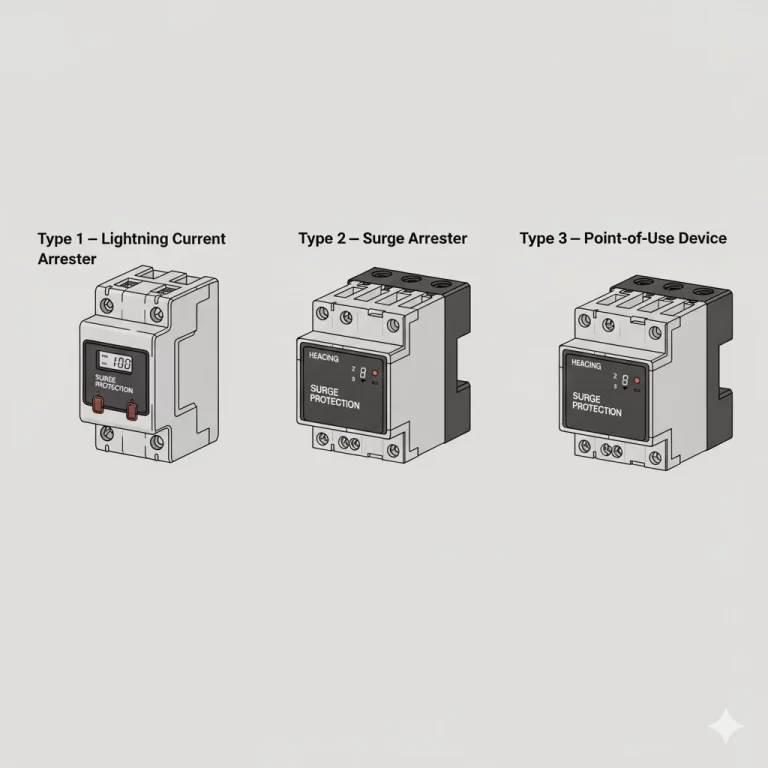
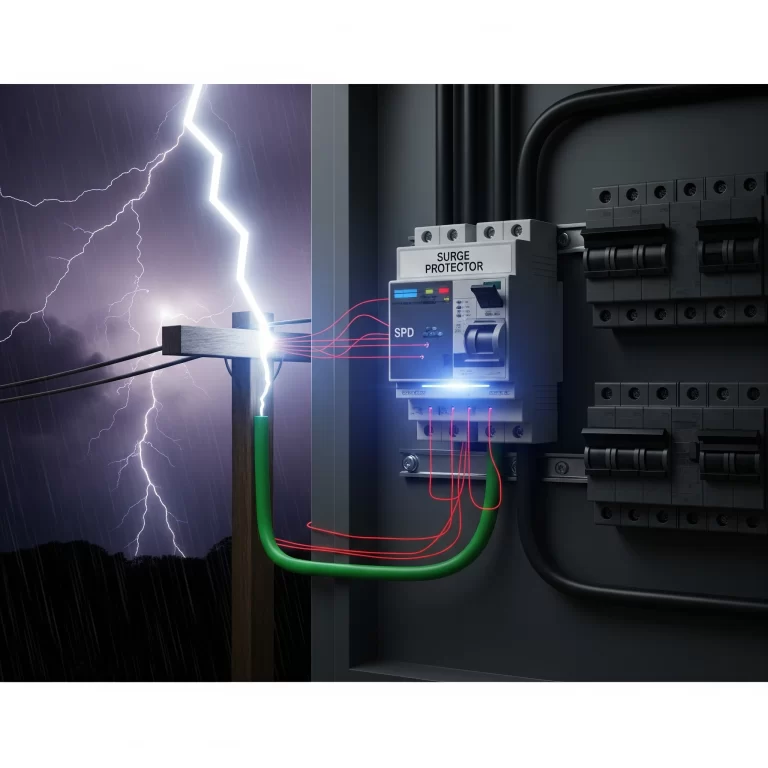
In addition to these benefits, lightning protection systems can also help to protect against other types of electrical discharges, such as power surges and electrical storms. This can help to prevent damage to electrical systems and equipment, reducing the risk of costly repairs and downtime.
Residential Properties
Lightning protection systems can help to protect homes and families from the risks associated with lightning strikes.
Recommended for: homeowners, families
Commercial Properties
Lightning protection systems can help to protect businesses and employees from the risks associated with lightning strikes.
Recommended for: business owners, employees
Industrial Properties
Lightning protection systems can help to protect industrial facilities and equipment from the risks associated with lightning strikes.
Recommended for: industrial facility owners, operators
Maintenance and Inspection of Lightning Protection Systems
Regular maintenance and inspection of lightning protection systems are essential to ensure they remain effective. This includes visual inspections, testing of system components, and repair or replacement of damaged or defective components.
It is recommended that lightning protection systems be inspected and tested at least once a year, or after any significant changes or repairs have been made to the system. This can help to identify any potential issues or problems, and ensure the system remains effective in protecting the building and its occupants.
Annual Inspection
Annual inspections can help to identify any potential issues or problems with the lightning protection system.
System Testing
System testing can help to ensure the lightning protection system is functioning properly and effectively.
Repair or Replacement
Any damaged or defective components should be repaired or replaced as soon as possible to ensure the system remains effective.
Frequently Asked Questions
Protect Your Property From Lightning Damage
Contact ZOD today for a free site visit and lightning protection assessment.