Lightning Protection System
Discover the importance of lightning protection for residential, commercial, and industrial properties in Lebanon.
Lebanon experiences a significant number of lightning strikes each year, posing a threat to properties and lives. A lightning protection system is essential to safeguard your property and assets from the devastating effects of lightning strikes.
As a property owner in Lebanon, it is crucial to understand the risks associated with lightning strikes and the importance of investing in a reliable lightning protection system. This system can help prevent damage to your property, reduce the risk of injury or death, and minimize downtime in the event of a lightning strike.
In this article, you will learn about the components of a lightning protection system, how it works, and the benefits of installing one in your Lebanese property. You will also discover the different types of lightning protection systems available and how to choose the right one for your needs.
Understanding Lightning Strikes
Lightning strikes can cause significant damage to properties, including fires, power outages, and structural damage. In Lebanon, the risk of lightning strikes is higher during the summer months, when thunderstorms are more frequent.
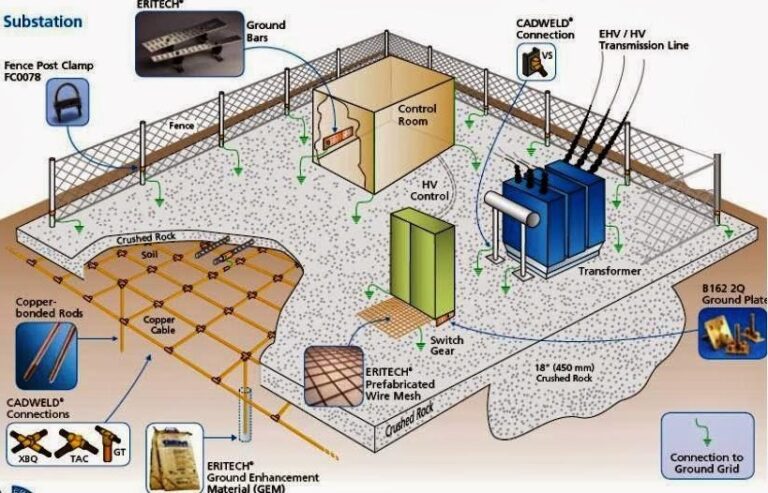
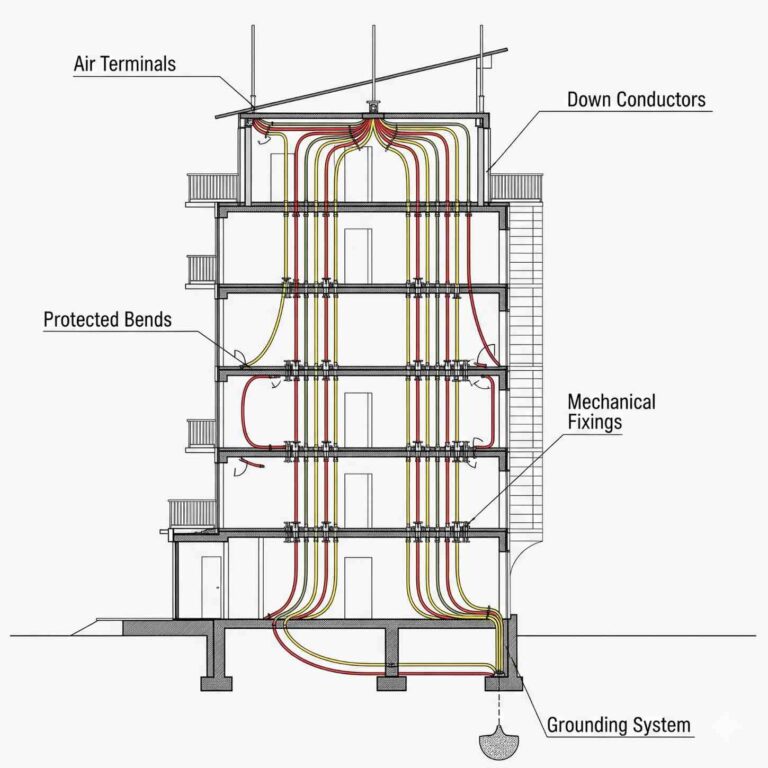
A lightning protection system is designed to protect your property from the effects of lightning strikes by providing a safe path for the electrical discharge to follow. This system typically consists of a network of conductors, including air terminals, down conductors, and ground electrodes.
- Lightning can strike the ground or a structure, causing a power surge that can damage electrical systems and equipment.
- A lightning protection system can help prevent damage to your property by providing a safe path for the electrical discharge to follow.
- The system can also help reduce the risk of injury or death by preventing electrical shock and fires.
Components Of A Lightning Protection System
A lightning protection system typically consists of several components, including air terminals, down conductors, and ground electrodes. These components work together to provide a safe path for the electrical discharge to follow.
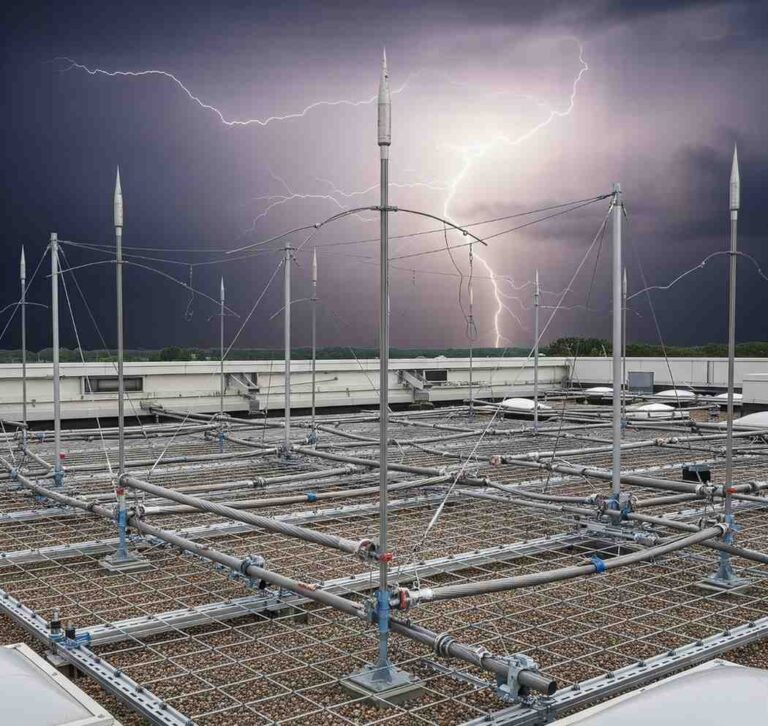
Air terminals, also known as lightning rods, are installed on the roof of a building to attract lightning and provide a path for the electrical discharge to follow. Down conductors are used to connect the air terminals to the ground electrodes, which are typically installed in the ground around the perimeter of the building.
Air Terminals
Air terminals, or lightning rods, are installed on the roof of a building to attract lightning and provide a path for the electrical discharge to follow.
Recommended for: All types of buildings, including residential, commercial, and industrial properties.
Down Conductors
Down conductors are used to connect the air terminals to the ground electrodes, providing a safe path for the electrical discharge to follow.
Recommended for: All types of buildings, including residential, commercial, and industrial properties.
Ground Electrodes
Ground electrodes are installed in the ground around the perimeter of a building to provide a safe path for the electrical discharge to follow.
Recommended for: All types of buildings, including residential, commercial, and industrial properties.
How A Lightning Protection System Works
A lightning protection system works by providing a safe path for the electrical discharge to follow, thereby preventing damage to your property and reducing the risk of injury or death.
When a lightning strike occurs, the air terminals attract the lightning and provide a path for the electrical discharge to follow. The down conductors then connect the air terminals to the ground electrodes, which are installed in the ground around the perimeter of the building.
Lightning Protection System Process
Frequently Asked Questions
Protect Your Property From Lightning Damage
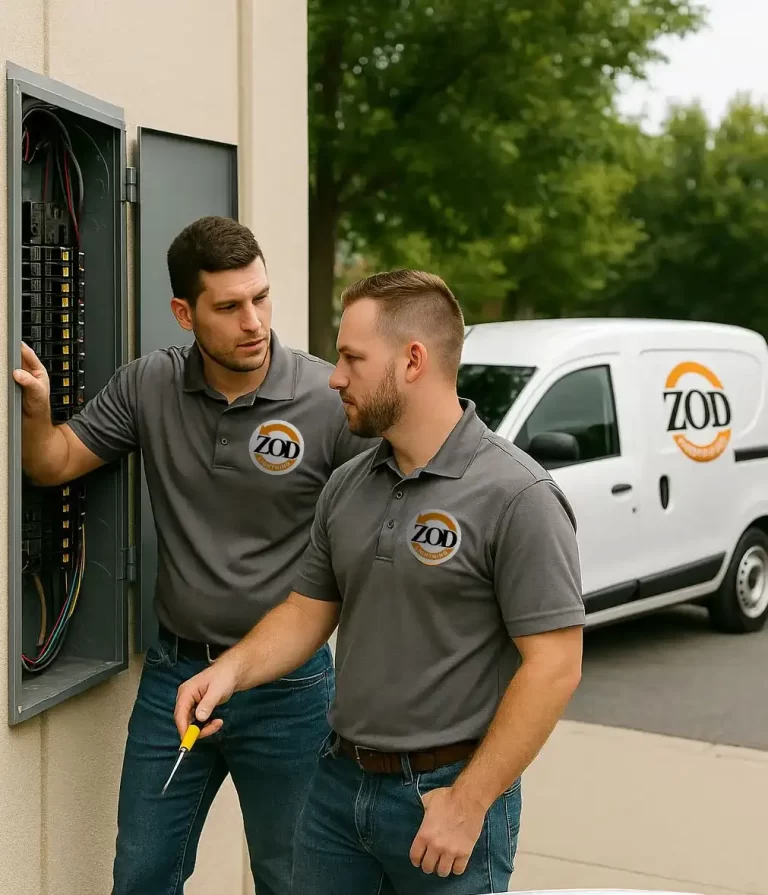
Contact ZOD today for a free site visit and lightning protection assessment.