Understanding Earthing System Importance
Discover the crucial role of earthing systems in safeguarding properties from lightning damage and electrical surges in Lebanon.
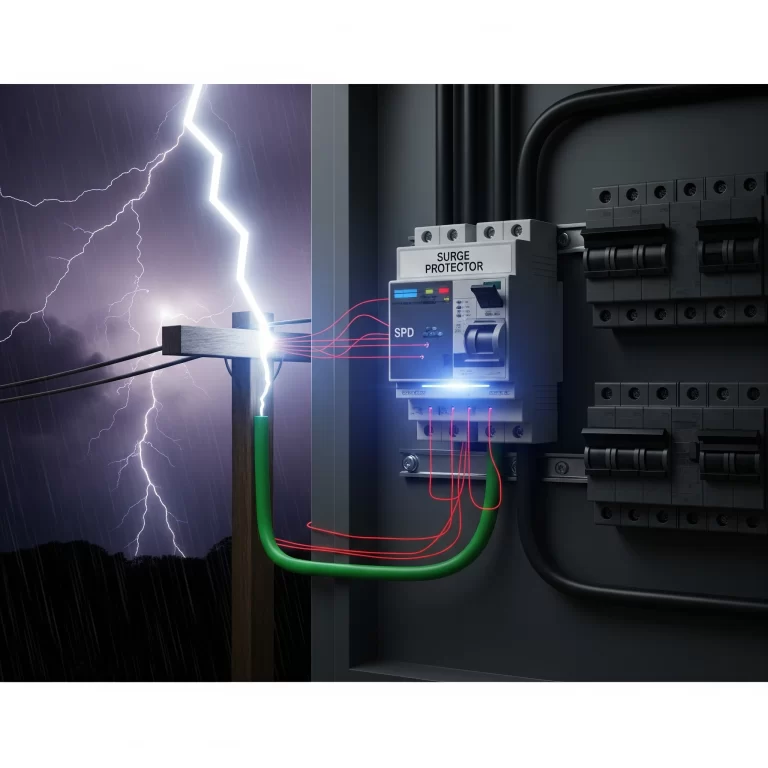
Lightning strikes are a common occurrence in Lebanon, posing a significant threat to properties and human life. A well-designed earthing system is essential to protect against such hazards. In fact, a proper earthing system can prevent electrical shocks and ensure the safe operation of electrical equipment.
The importance of earthing systems cannot be overstated, particularly in a country like Lebanon where thunderstorms are frequent. Property owners, engineers, and facility managers must understand the principles of earthing systems to ensure the safety and reliability of their electrical infrastructure.
In this article, we will delve into the world of earthing systems, exploring their components, functions, and benefits. We will also discuss the different types of earthing systems, their applications, and the factors that influence their design and installation.
What Is An Earthing System
An earthing system is a network of conductors and electrodes that provide a safe path for electrical currents to flow to the ground. Its primary function is to protect people and equipment from electrical shocks and surges by dissipating excess energy into the earth.
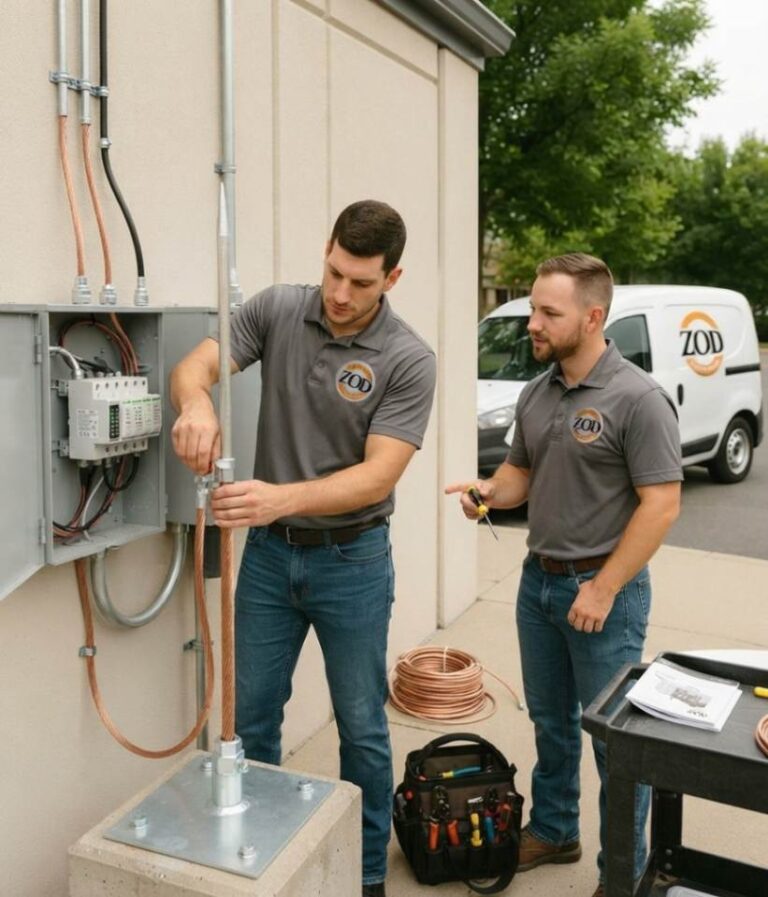
A typical earthing system consists of a main earthing electrode, a earthing conductor, and a set of auxiliary electrodes. The main earthing electrode is usually a copper rod or plate buried in the ground, while the earthing conductor is a cable that connects the electrode to the electrical panel.
- Step 1: Design
The first step in installing an earthing system is to design it according to the property’s electrical infrastructure and soil conditions. This involves calculating the required earthing resistance and selecting the appropriate electrodes and conductors.
Components Of An Earthing System
The components of an earthing system are crucial to its functionality and safety. These include the earthing electrode, earthing conductor, and auxiliary electrodes. Each component plays a vital role in ensuring the earthing system operates efficiently and effectively.
The earthing electrode is the most critical component, as it provides the primary path for electrical currents to flow to the ground. The earthing conductor, on the other hand, connects the electrode to the electrical panel, while the auxiliary electrodes provide additional paths for currents to flow to the ground.
Earthing Electrode
The earthing electrode is the primary component of an earthing system. It is usually a copper rod or plate buried in the ground.
Recommended for: Residential and commercial properties.
Earthing Conductor
The earthing conductor connects the earthing electrode to the electrical panel. It is usually a copper cable.
Recommended for: Industrial properties and high-rise buildings.
Auxiliary Electrodes
Auxiliary electrodes provide additional paths for electrical currents to flow to the ground. They are usually installed in areas with high soil resistivity.
Recommended for: Areas with high soil resistivity.
Benefits Of An Earthing System
An earthing system provides numerous benefits, including protection against electrical shocks and surges, reduction of electrical noise, and improvement of electrical equipment performance. It also helps to prevent damage to electrical equipment and reduces the risk of fires.
In addition, an earthing system can help to reduce the risk of lightning strikes, which can cause significant damage to properties and infrastructure. By providing a safe path for electrical currents to flow to the ground, an earthing system can help to protect people and equipment from the dangers of lightning.
Protection Layer
Primary
The protection layer provides the primary path for electrical currents to flow to the ground. It includes the earthing electrode and earthing conductor.
Maintenance Layer
Secondary
The maintenance layer includes the auxiliary electrodes and other components that require regular maintenance. It is essential to ensure the earthing system operates efficiently and effectively.
Upgrade Layer
Tertiary
The upgrade layer includes components that can be upgraded or replaced to improve the earthing system’s performance. It is essential to consider the upgrade layer when designing or installing an earthing system.
Frequently Asked Questions
Protect Your Property From Lightning Damage
Contact ZOD today for a free site visit and lightning protection assessment.