Lightning & Surge Protection
Understanding the importance of lightning & surge protection for Lebanese property owners and engineers.
Lebanon experiences a significant number of lightning storms every year, posing a threat to properties and lives. Lightning strikes can cause damage to buildings, electrical systems, and equipment, resulting in costly repairs and downtime.
As a property owner or engineer in Lebanon, it is essential to understand the risks associated with lightning strikes and power surges, and to take necessary measures to protect your assets. This includes installing lightning protection systems, surge protection devices, and earthing systems to prevent damage and ensure the safety of occupants.
In this article, we will explore the importance of lightning & surge protection, the different types of protection systems available, and the benefits of installing these systems in residential, commercial, and industrial properties in Lebanon.
Understanding Lightning Strikes
Lightning strikes are a natural phenomenon that occurs during thunderstorms, and they can cause significant damage to properties and electrical systems. Lightning strikes can reach temperatures of up to 30,000 Kelvin, which is five times hotter than the surface of the sun, and can generate massive amounts of energy.
When a lightning strike hits a building or electrical system, it can cause a power surge that can damage equipment and appliances. This is why it is essential to have a lightning protection system in place to prevent damage and ensure the safety of occupants.
- Step 1: Assess the Risk
Assess the risk of lightning strikes in your area and determine the level of protection required for your property.
Surge Protection Devices
Surge protection devices are designed to protect electrical systems and equipment from power surges caused by lightning strikes. These devices work by absorbing or diverting the surge energy, preventing it from reaching the equipment or electrical system.
There are different types of surge protection devices available, including surge arresters, surge protectors, and lightning rods. Each type of device has its own unique characteristics and benefits, and the choice of device will depend on the specific requirements of the property and the level of protection required.
Surge Arresters
Surge arresters are designed to protect electrical systems from power surges caused by lightning strikes. They work by absorbing or diverting the surge energy, preventing it from reaching the equipment or electrical system.
Recommended for: Residential properties
Surge Protectors
Surge protectors are designed to protect equipment and appliances from power surges caused by lightning strikes. They work by absorbing or diverting the surge energy, preventing it from reaching the equipment or appliance.
Recommended for: Commercial properties
Lightning Rods
Lightning rods are designed to protect buildings and structures from lightning strikes. They work by attracting the lightning strike and directing it harmlessly into the ground.
Recommended for: Industrial properties
Earthing Systems
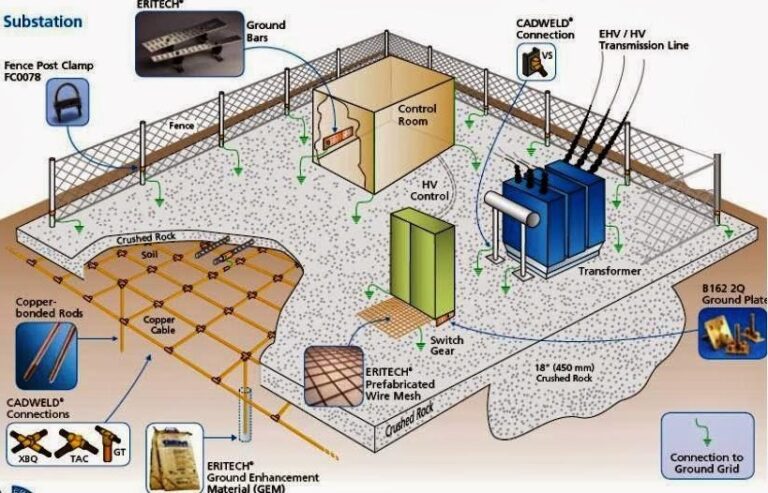
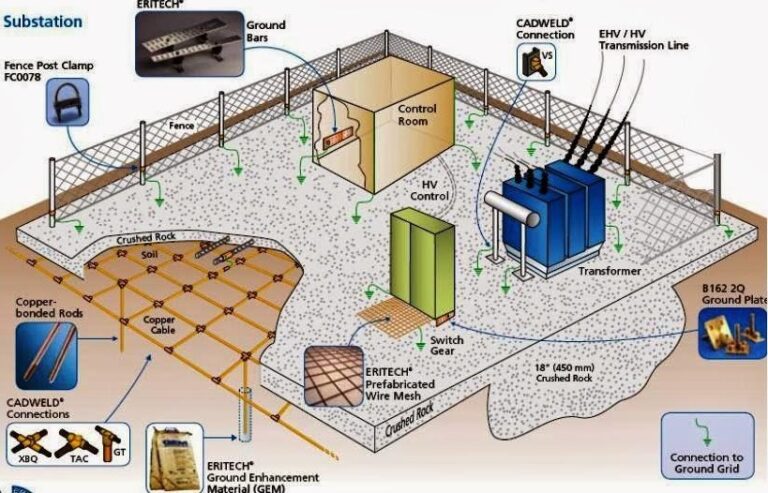
Earthing systems are designed to protect electrical systems and equipment from power surges caused by lightning strikes. These systems work by providing a safe path to ground for the surge energy, preventing it from reaching the equipment or electrical system.
There are different types of earthing systems available, including plate earthing, rod earthing, and mesh earthing. Each type of system has its own unique characteristics and benefits, and the choice of system will depend on the specific requirements of the property and the level of protection required.
Plate Earthing
Type 1
Plate earthing is a type of earthing system that uses a metal plate to provide a safe path to ground for the surge energy. This system is recommended for residential properties.
Rod Earthing
Type 2
Rod earthing is a type of earthing system that uses a metal rod to provide a safe path to ground for the surge energy. This system is recommended for commercial properties.
Mesh Earthing
Type 3
Mesh earthing is a type of earthing system that uses a mesh of metal wires to provide a safe path to ground for the surge energy. This system is recommended for industrial properties.
Maintenance and Inspection
Regular maintenance and inspection of lightning protection systems, surge protection devices, and earthing systems is essential to ensure that they are functioning correctly and providing the required level of protection.
Property owners and engineers should inspect these systems regularly to ensure that they are in good condition and functioning correctly. This includes checking for damage, wear and tear, and corrosion, and performing any necessary repairs or replacements.
Regular Inspections
Regular inspections should be performed to ensure that the lightning protection system, surge protection devices, and earthing system are functioning correctly and providing the required level of protection.
Repairs and Replacements
Any necessary repairs or replacements should be performed promptly to ensure that the lightning protection system, surge protection devices, and earthing system are functioning correctly and providing the required level of protection.
Record Keeping
Records should be kept of all inspections, repairs, and replacements to ensure that the lightning protection system, surge protection devices, and earthing system are functioning correctly and providing the required level of protection.
Frequently Asked Questions
Protect Your Property From Lightning Damage
Contact ZOD Lightning today for a free site visit and lightning protection assessment.