Lightning Protection Lebanon: Safeguarding Your Property
Learn how to protect your property from lightning damage and ensure the safety of your loved ones and assets in Lebanon.
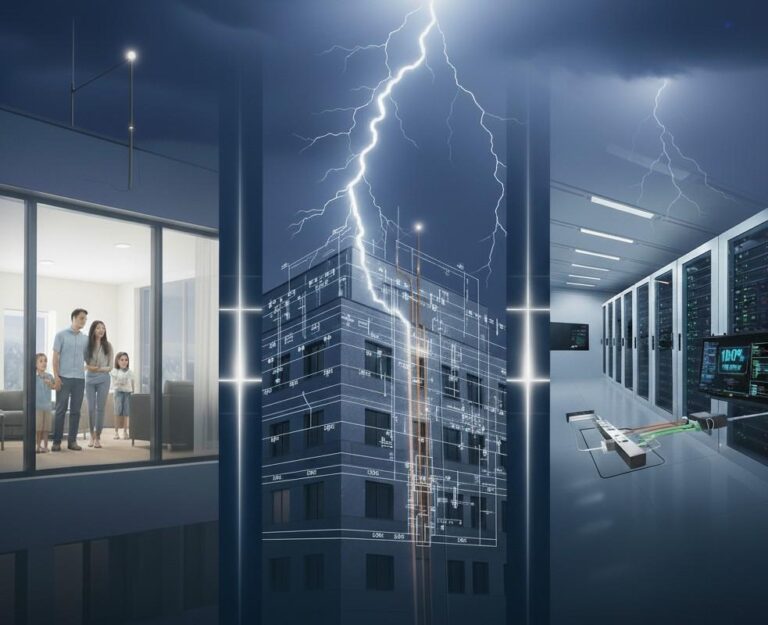
Lightning strikes can be devastating, causing significant damage to properties and posing a risk to human life. In Lebanon, where thunderstorms are common, it is essential to take measures to protect your property from lightning damage. A single lightning strike can cause thousands of dollars in damage, not to mention the risk of injury or loss of life.
The importance of lightning protection in Lebanon cannot be overstated. With the country’s geography and climate, lightning strikes are a real and present danger. In fact, lightning strikes are one of the most common causes of power outages and property damage in Lebanon. By installing a lightning protection system, you can significantly reduce the risk of damage to your property and ensure the safety of your loved ones and assets.
In this article, we will explore the importance of lightning protection in Lebanon, the different types of lightning protection systems available, and how to choose the right system for your property. We will also discuss the benefits of regular maintenance and inspection of lightning protection systems, as well as the common misconceptions about lightning protection.
Understanding Lightning Protection Systems
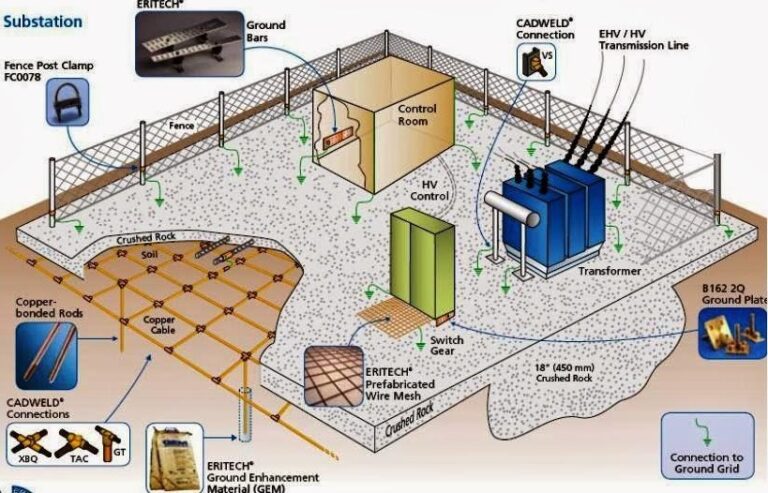
A lightning protection system is designed to protect your property from lightning strikes by providing a safe path for the electrical discharge to follow. The system typically consists of a network of conductors, such as copper cables or aluminum rods, that are connected to a grounding system. The grounding system is designed to dissipate the electrical charge from the lightning strike, preventing damage to your property.
There are several types of lightning protection systems available, including air terminals, down conductors, and grounding systems. Air terminals are designed to attract lightning strikes, while down conductors carry the electrical discharge from the air terminal to the grounding system. The grounding system is the most critical component of a lightning protection system, as it provides the path for the electrical discharge to follow.
- Step 1: Assess Your Property
Before installing a lightning protection system, it is essential to assess your property to determine the level of risk. This includes evaluating the height and location of your property, as well as the type of roofing material and other factors that may affect the risk of lightning strikes.
Benefits of Lightning Protection Systems
Lightning protection systems offer several benefits, including reducing the risk of damage to your property, protecting your loved ones and assets, and preventing power outages. By installing a lightning protection system, you can also reduce your insurance premiums and comply with regulatory requirements.
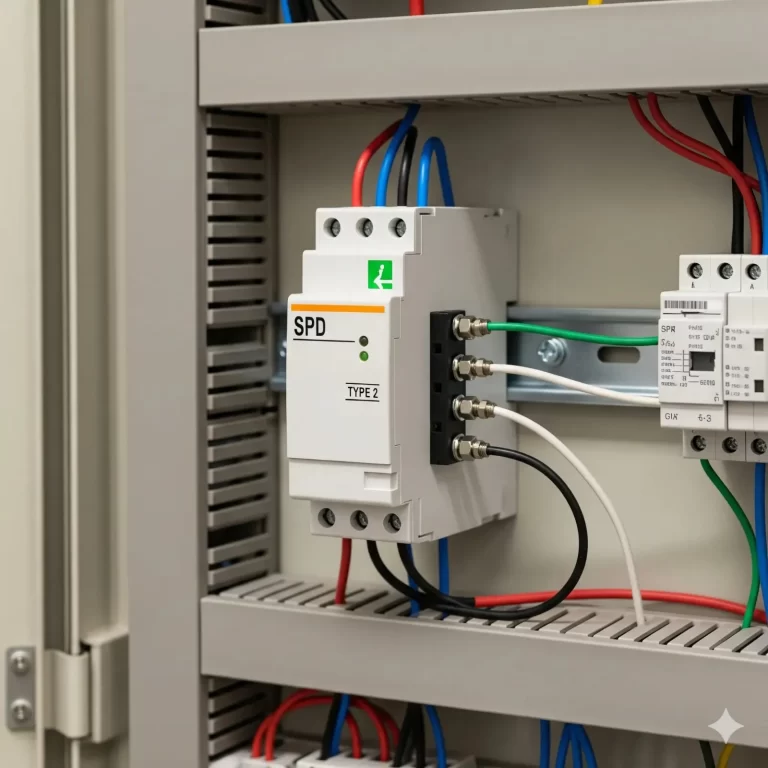
In addition to the safety benefits, lightning protection systems can also help to prevent damage to your property’s electrical systems, including computers, televisions, and other sensitive equipment. This can help to reduce downtime and minimize the cost of repairs.
Residential Properties
Lightning protection systems are essential for residential properties, particularly those with tall trees or other features that may attract lightning strikes.
Recommended for: Homeowners, families
Industrial Properties
Lightning protection systems are critical for industrial properties, where the risk of damage to equipment and personnel is high.
Recommended for: Industrial facility managers, business owners
Commercial Properties
Lightning protection systems are important for commercial properties, including schools, hospitals, and office buildings.
Recommended for: Business owners, facility managers
Maintenance and Inspection of Lightning Protection Systems
Regular maintenance and inspection of lightning protection systems are essential to ensure their effectiveness. This includes checking the condition of the conductors and grounding system, as well as verifying that the system is functioning properly.
It is recommended to inspect lightning protection systems at least once a year, or after any significant changes to the property, such as the installation of new roofing or electrical systems.
Annual Inspection
Inspect the lightning protection system at least once a year to ensure it is functioning properly.
Repairs and Maintenance
Perform any necessary repairs or maintenance to the lightning protection system to ensure its effectiveness.
Verification of Functionality
Verify that the lightning protection system is functioning properly and providing adequate protection for your property.
Frequently Asked Questions
Protect Your Property From Lightning Damage
Contact ZOD today for a free site visit and lightning protection assessment.