Lightning Arrester Protection For Your Property
Understanding the role of lightning arrester in safeguarding your residential, commercial, or industrial property in Lebanon.
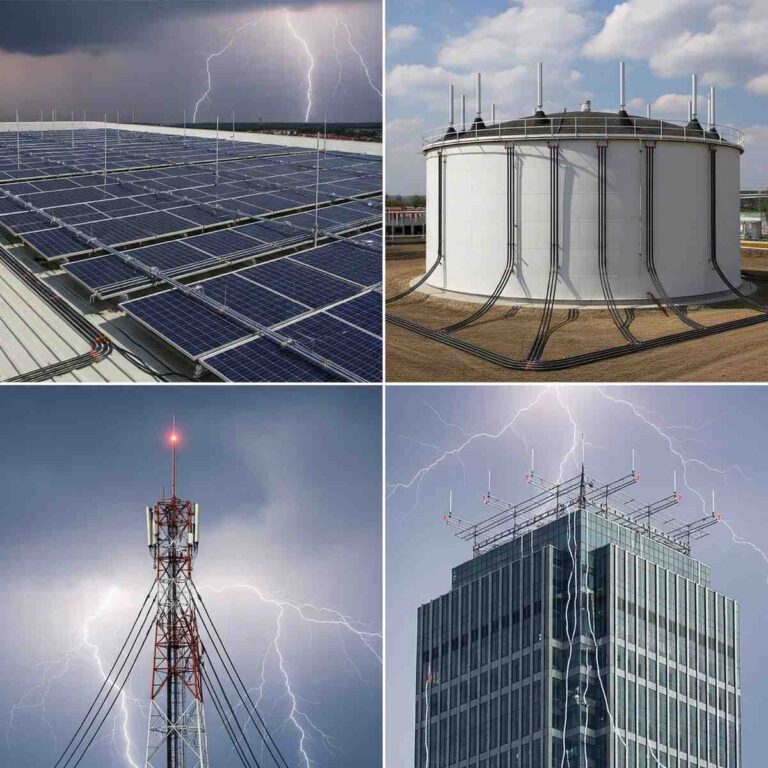
Lightning strikes are a common occurrence in Lebanon, posing a significant threat to properties and lives. A single lightning strike can cause devastating damage to buildings, electrical systems, and equipment. This is where a lightning arrester comes into play, serving as a critical component in lightning protection systems.
The importance of lightning protection cannot be overstated, especially in a country like Lebanon where thunderstorms are frequent. Property owners, facility managers, and engineers must be aware of the risks associated with lightning strikes and take proactive measures to mitigate them. A lightning arrester is an essential device that helps protect properties from the harmful effects of lightning.
In this article, we will delve into the world of lightning arresters, exploring their function, types, and benefits. By the end of this article, readers will have a comprehensive understanding of how lightning arresters work and why they are crucial for protecting properties in Lebanon.
What Is A Lightning Arrester?
A lightning arrester is a device designed to protect electrical systems and equipment from the damaging effects of lightning strikes. It works by diverting the electrical discharge from a lightning strike into the ground, thereby preventing it from causing harm to people, buildings, and equipment.
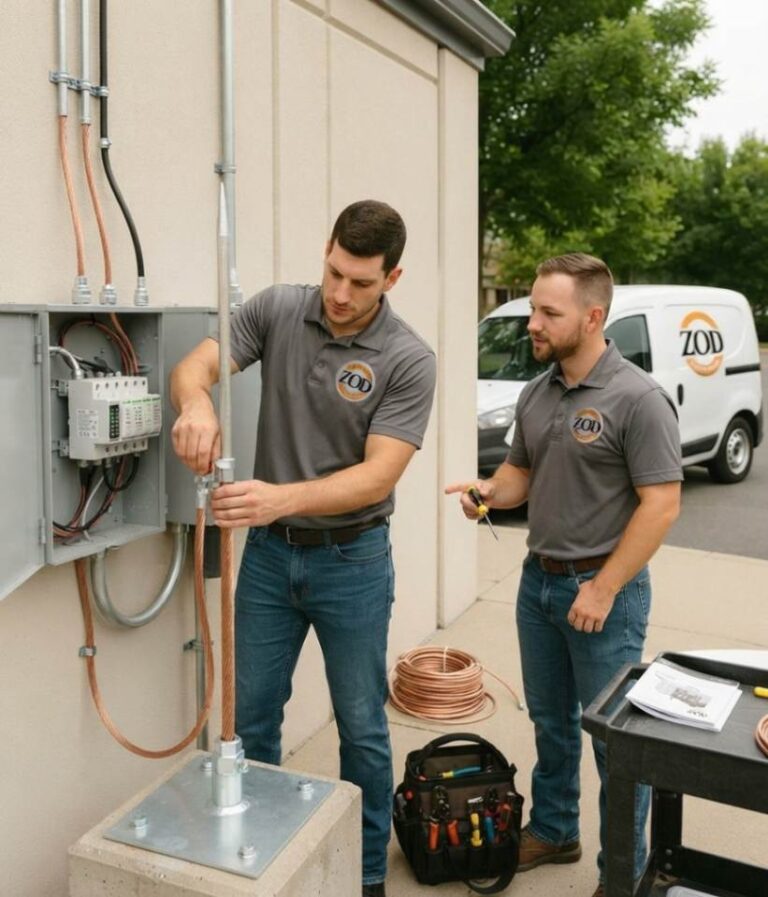
Lightning arresters are typically installed in conjunction with other lightning protection systems, such as air terminals, down conductors, and ground electrodes. They play a vital role in ensuring the safety and integrity of electrical systems, which is essential for the smooth operation of residential, commercial, and industrial properties.
- Step 1: Installation
Lightning arresters are installed in strategic locations, such as near electrical panels, generators, and other critical equipment.
- Step 2: Activation
When a lightning strike occurs, the lightning arrester is activated, diverting the electrical discharge into the ground.
- Step 3: Protection
The lightning arrester protects the electrical system and equipment from damage, ensuring the safety of people and property.
How Lightning Arresters Work
Lightning arresters work by using a combination of spark gaps and nonlinear resistors to divert the electrical discharge from a lightning strike. The spark gap is designed to ionize and become conductive when a high-voltage surge is present, allowing the electrical discharge to be safely diverted into the ground.
The nonlinear resistor, on the other hand, helps to limit the voltage and current of the electrical discharge, preventing it from causing damage to the electrical system and equipment. This complex process ensures that the lightning arrester can effectively protect properties from the harmful effects of lightning strikes.
Lightning Arrester Operation
Benefits Of Lightning Arresters
Lightning arresters offer numerous benefits, including protection of electrical systems and equipment, reduction of downtime and maintenance costs, and enhancement of overall safety and reliability. By installing a lightning arrester, property owners can ensure the smooth operation of their electrical systems, even in the event of a lightning strike.
Furthermore, lightning arresters can help prevent power surges and electrical fires, which can be devastating to properties and lives. This is especially important in Lebanon, where thunderstorms are frequent and lightning strikes can occur at any time.
Protection
Lightning arresters protect electrical systems and equipment from damage caused by lightning strikes.
Recommended for: Residential, commercial, and industrial properties.
Reliability
Lightning arresters enhance the overall safety and reliability of electrical systems.
Recommended for: Critical infrastructure and high-risk applications.
Maintenance
Lightning arresters require regular maintenance to ensure optimal performance.
Recommended for: Properties with high lightning strike risk.
Frequently Asked Questions
Protect Your Property From Lightning Damage
Contact ZOD today for a free site visit and lightning protection assessment.