Understanding Earthing System Importance
Discover how a proper earthing system can safeguard your property and loved ones from electrical hazards in Lebanon.
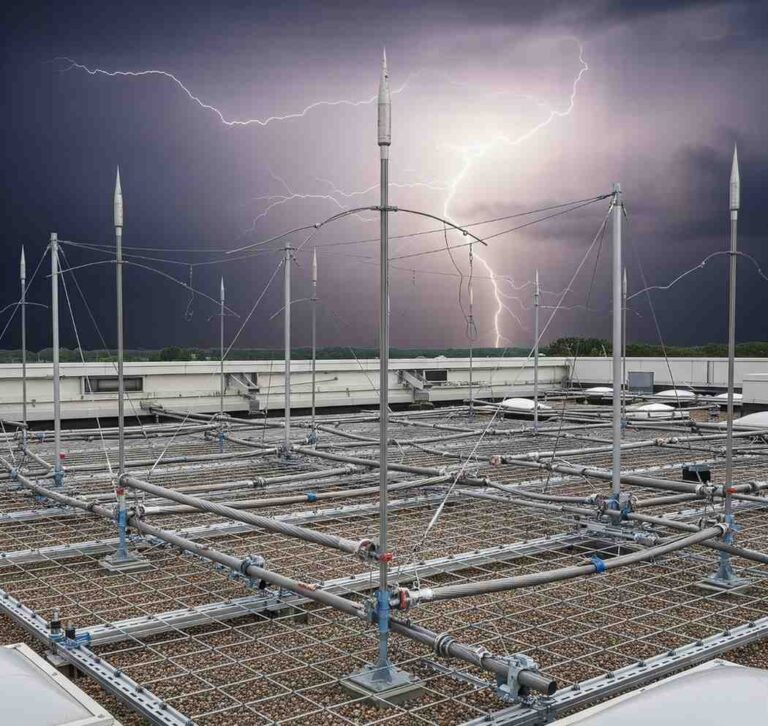
As a property owner in Lebanon, have you considered the risks associated with lightning strikes and electrical surges? A well-designed earthing system is crucial for protecting your property and its occupants from such hazards. In fact, a proper earthing system can be the difference between safety and disaster.
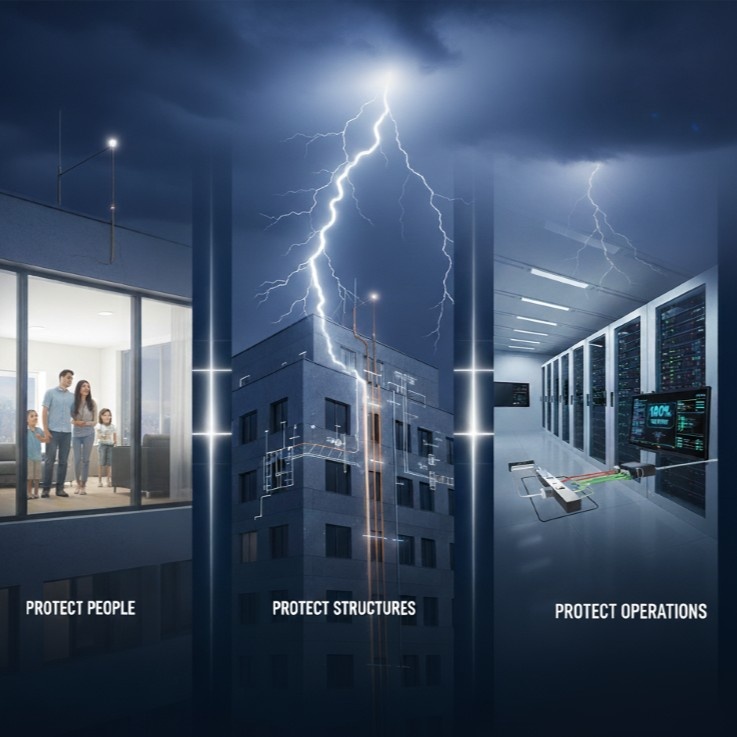
The importance of an earthing system cannot be overstated, particularly in a country like Lebanon where thunderstorms are common. A lightning strike can cause significant damage to a property, including fires, explosions, and electrical shocks. Moreover, electrical surges can damage sensitive equipment and appliances, resulting in costly repairs or replacements.
In this article, you will learn about the basics of an earthing system, its benefits, and how it can protect your property from lightning strikes and electrical surges. You will also discover the different types of earthing systems, their components, and how to maintain them to ensure optimal performance.
What Is An Earthing System?
An earthing system, also known as a grounding system, is a network of conductors that connect a property’s electrical system to the earth. Its primary function is to provide a safe path for electrical currents to flow to the ground, thereby preventing electrical shocks and damage to equipment.
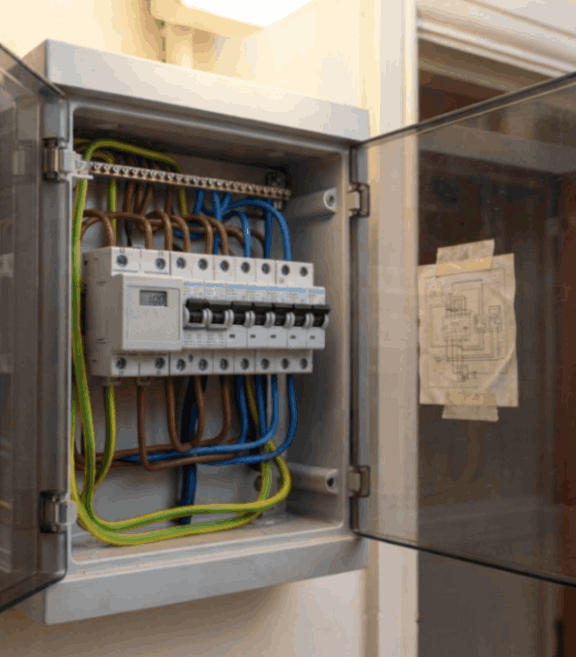
A typical earthing system consists of a grounding electrode, a grounding conductor, and a bonding system. The grounding electrode is usually a metal rod or plate that is buried in the ground, while the grounding conductor is a wire that connects the electrode to the property’s electrical panel. The bonding system, on the other hand, connects all the metal parts of the property’s electrical system to the grounding conductor.
- Grounding Electrode
The grounding electrode is the most critical component of an earthing system. It provides a direct connection to the earth, allowing electrical currents to flow safely to the ground.
- Grounding Conductor
The grounding conductor is responsible for connecting the grounding electrode to the property’s electrical panel. It must be sized correctly to carry the maximum fault current.
- Bonding System
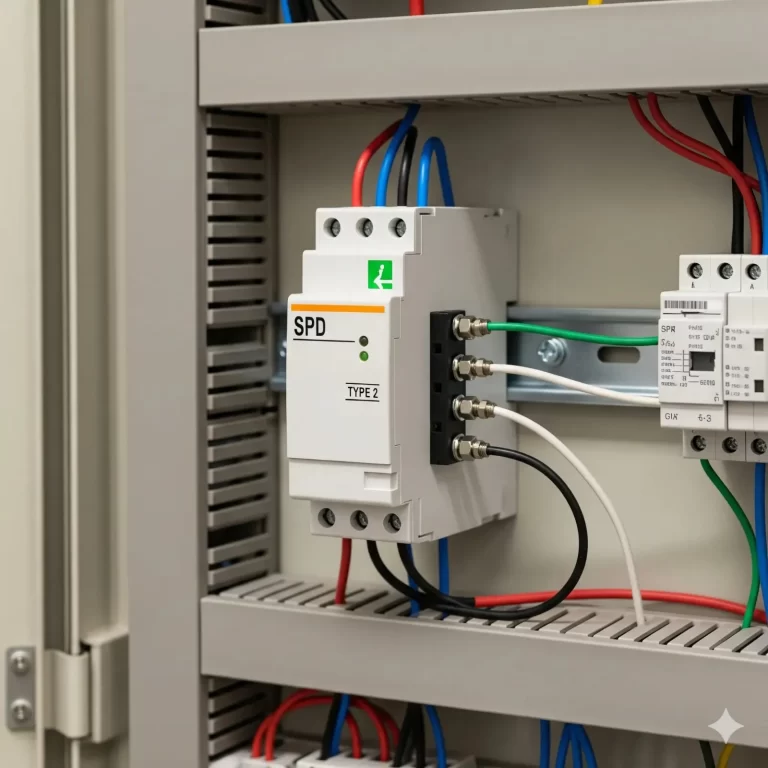
The bonding system connects all the metal parts of the property’s electrical system to the grounding conductor. This ensures that all equipment and appliances are at the same electrical potential, reducing the risk of electrical shocks.
How Does An Earthing System Work?
An earthing system works by providing a safe path for electrical currents to flow to the ground. When a lightning strike occurs, the electrical current flows through the grounding electrode and into the earth, thereby preventing damage to the property and its occupants.
In the event of an electrical surge, the earthing system helps to absorb the excess energy, reducing the risk of damage to equipment and appliances. The bonding system also plays a critical role in ensuring that all metal parts of the electrical system are at the same electrical potential, reducing the risk of electrical shocks.
Earthing System Process
Maintenance And Inspection
Regular maintenance and inspection of an earthing system are crucial to ensure its optimal performance. The grounding electrode and conductor should be checked for corrosion and damage, while the bonding system should be verified to ensure that all metal parts are properly connected.
Additionally, the earthing system should be tested periodically to ensure that it is functioning correctly. This can be done using specialized equipment, such as a grounding tester, to measure the resistance of the earthing system.
Monthly Inspection
Check the grounding electrode and conductor for corrosion and damage
Quarterly Testing
Test the earthing system using a grounding tester to ensure optimal performance
Annual Maintenance
Perform routine maintenance tasks, such as cleaning and replacing worn-out components
Frequently Asked Questions
Protect Your Property From Lightning Damage
Contact ZOD Lightning today for a free site visit and lightning protection assessment.