Lightning Strikes Lebanon: Understanding The Risks
Discover the importance of lightning protection for residential, commercial, and industrial properties in Lebanon.
Lightning strikes Lebanon frequently, posing significant risks to properties and human life. The country’s geographical location makes it prone to thunderstorms, which can cause devastating damage to buildings and infrastructure. In fact, lightning strikes are a major concern for property owners in Lebanon, as they can result in costly repairs, power outages, and even loss of life.
The topic of lightning strikes in Lebanon matters to property owners, as it can have a significant impact on their investments and the safety of their occupants. Without proper lightning protection systems, properties are vulnerable to damage from lightning strikes, which can lead to financial losses and legal liabilities. Furthermore, lightning strikes can also disrupt business operations, causing downtime and lost productivity.
In this article, you will learn about the risks associated with lightning strikes in Lebanon, the importance of lightning protection systems, and the steps you can take to protect your property from lightning damage. You will also discover the different types of lightning protection systems available, including earthing and grounding systems, lightning protection systems, and surge protection devices.
Understanding Lightning Strikes
Lightning strikes occur when there is a buildup of electrical charge in the atmosphere, typically during thunderstorms. The charge can be positive or negative, and when it becomes strong enough, it can break down the air and create a conductive path for the electricity to flow. This can result in a lightning strike, which can reach temperatures of up to 30,000 Kelvin, hotter than the surface of the sun.
Lightning strikes can be classified into two main types: direct strikes and indirect strikes. Direct strikes occur when the lightning bolt hits the property directly, while indirect strikes occur when the lightning bolt hits a nearby object, such as a tree or a power line, and then travels to the property through a conductive path.
- Direct strikes can cause significant damage to properties, including fires, explosions, and structural damage.
- Indirect strikes can also cause damage, including power outages, electrical shocks, and equipment failure.
Lightning Protection Systems
Lightning protection systems are designed to protect properties from lightning strikes by providing a safe path for the electrical charge to follow. These systems typically consist of a lightning rod, a down conductor, and a grounding system. The lightning rod attracts the lightning bolt and directs it to the down conductor, which then carries the charge to the grounding system.
The grounding system is critical in lightning protection, as it provides a safe path for the electrical charge to dissipate into the earth. A well-designed grounding system can significantly reduce the risk of lightning strikes and minimize the damage caused by indirect strikes.
Earthing and Grounding Systems
These systems provide a safe path for the electrical charge to follow and dissipate into the earth. They are essential for lightning protection and can be customized to meet the specific needs of each property.
Recommended for: residential, commercial, and industrial properties.
Lightning Protection Systems
These systems are designed to protect properties from direct and indirect lightning strikes. They can be customized to meet the specific needs of each property and can include features such as lightning rods, down conductors, and surge protection devices.
Recommended for: high-risk properties, such as those located in areas with high lightning activity.
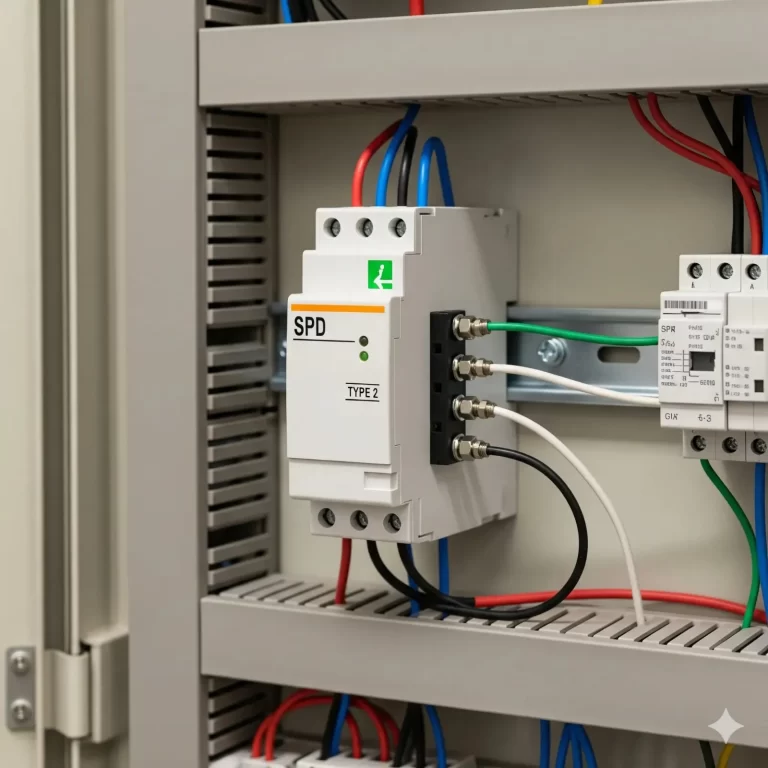
Surge Protection Devices
These devices are designed to protect electrical equipment from power surges and spikes caused by lightning strikes. They can be installed at the main electrical panel or at individual outlets.
Recommended for: properties with sensitive electrical equipment, such as computers and televisions.
Maintenance and Inspection
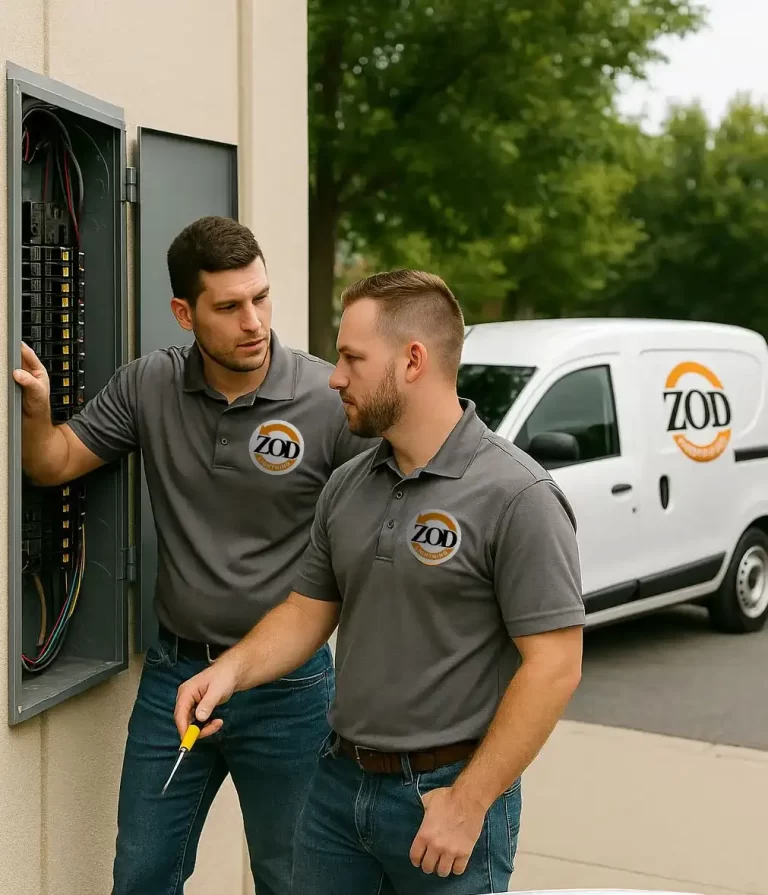
Regular maintenance and inspection of lightning protection systems are critical to ensuring their effectiveness. Property owners should inspect their systems annually to ensure that they are functioning properly and make any necessary repairs or upgrades.
Additionally, property owners should consider hiring a professional to inspect and maintain their lightning protection systems, as they have the training and expertise to identify potential issues and make recommendations for improvement.
Annual Inspection
Property owners should inspect their lightning protection systems annually to ensure that they are functioning properly and make any necessary repairs or upgrades.
Regular Maintenance
Property owners should perform regular maintenance on their lightning protection systems, including cleaning and inspecting the components and making any necessary repairs or upgrades.
Professional Inspection
Property owners should consider hiring a professional to inspect and maintain their lightning protection systems, as they have the training and expertise to identify potential issues and make recommendations for improvement.
Frequently Asked Questions
Protect Your Property From Lightning Damage
Contact ZOD today for a free site visit and lightning protection assessment.