Lightning Protection System: Safeguarding Lebanese Properties

Learn how to protect your home, business, or facility from the dangers of lightning strikes with a reliable lightning protection system.

Lebanon experiences a significant number of lightning strikes every year, posing a threat to properties and lives. A lightning protection system is essential to safeguard buildings and prevent damage from lightning strikes.

The importance of a lightning protection system cannot be overstated, as it helps to prevent fires, protect electrical systems, and ensure the safety of occupants. Property owners in Lebanon must take proactive measures to protect their assets from the dangers of lightning.

In this article, we will discuss the components of a lightning protection system, the benefits of installing one, and the steps to take to ensure your property is protected from lightning damage. By the end of this article, you will have a comprehensive understanding of lightning protection systems and how to choose the right one for your property.

Understanding Lightning Protection Systems

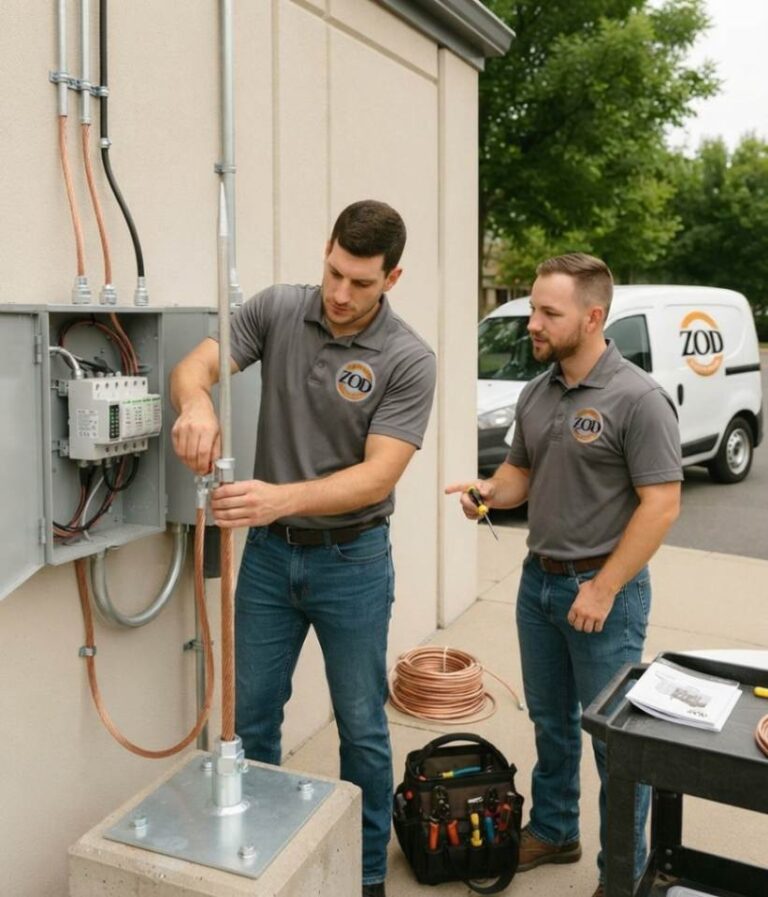
A lightning protection system is designed to protect buildings from lightning strikes by providing a safe path for the electrical discharge to follow. The system consists of several components, including air terminals, down conductors, and grounding systems.

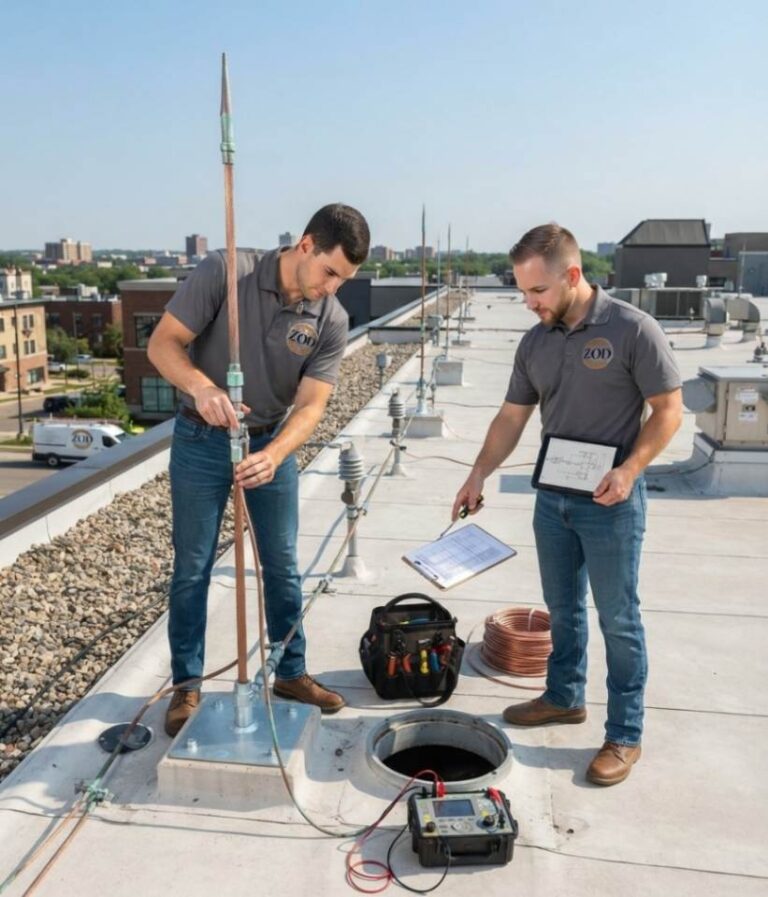
The air terminals, also known as lightning rods, are installed on the roof of the building and are designed to attract the lightning strike. The down conductors carry the electrical discharge from the air terminals to the grounding system, which dissipates the energy safely into the earth.

Air Terminals

Primary Protection

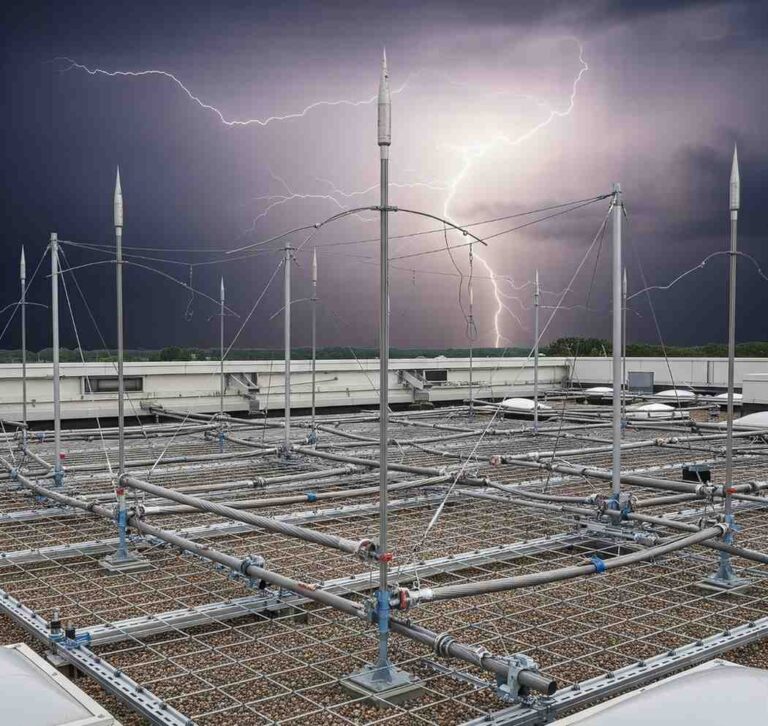
Air terminals are the first line of defense against lightning strikes, attracting the electrical discharge and directing it to the down conductors.

Down Conductors

Secondary Protection

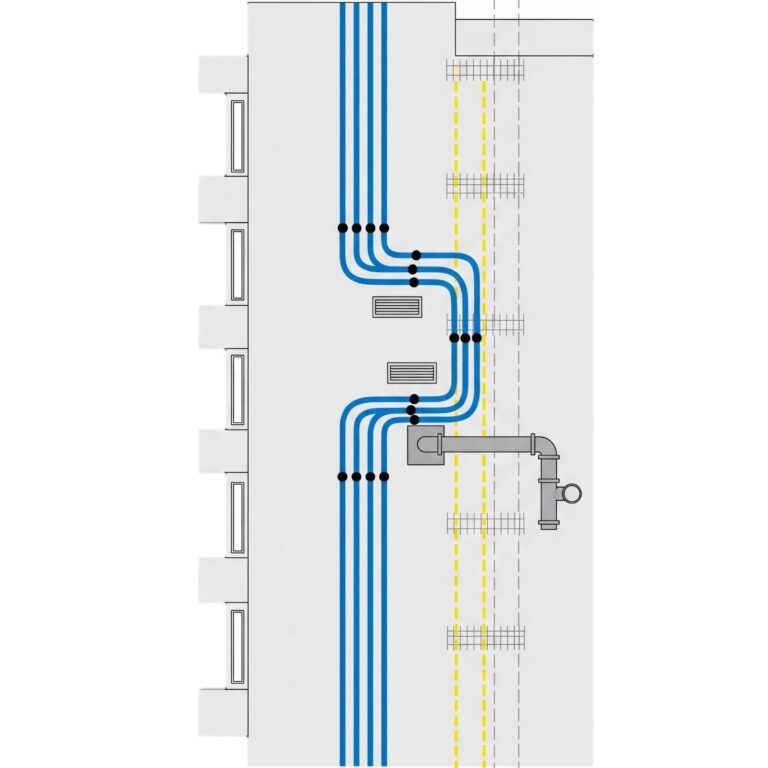
Down conductors carry the electrical discharge from the air terminals to the grounding system, providing a safe path for the energy to follow.

Grounding Systems

Tertiary Protection

Grounding systems dissipate the electrical energy from the down conductors safely into the earth, preventing damage to the building and its occupants.

Components of a Lightning Protection System

A lightning protection system consists of several components, each playing a critical role in protecting the building from lightning strikes. The components include air terminals, down conductors, grounding systems, and surge protectors.

The air terminals are installed on the roof of the building and are designed to attract the lightning strike. The down conductors carry the electrical discharge from the air terminals to the grounding system, which dissipates the energy safely into the earth.

  • Air Terminals

    Air terminals are the first line of defense against lightning strikes, attracting the electrical discharge and directing it to the down conductors.

  • Down Conductors

    Down conductors carry the electrical discharge from the air terminals to the grounding system, providing a safe path for the energy to follow.

  • Grounding Systems

    Grounding systems dissipate the electrical energy from the down conductors safely into the earth, preventing damage to the building and its occupants.

Frequently Asked Questions

What is a lightning protection system?
A lightning protection system is designed to protect buildings from lightning strikes by providing a safe path for the electrical discharge to follow. The system consists of several components, including air terminals, down conductors, and grounding systems.

How does a lightning protection system work?
A lightning protection system works by attracting the lightning strike with air terminals, carrying the electrical discharge to the grounding system with down conductors, and dissipating the energy safely into the earth with the grounding system.

What are the benefits of installing a lightning protection system?
The benefits of installing a lightning protection system include protecting the building and its occupants from lightning strikes, preventing fires, and ensuring the safety of electrical systems.

How often should a lightning protection system be inspected and maintained?
A lightning protection system should be inspected and maintained regularly, ideally every 2-3 years, to ensure it is functioning properly and providing adequate protection.

Can a lightning protection system be installed on an existing building?
Yes, a lightning protection system can be installed on an existing building. However, it is essential to consult with a qualified professional to determine the best approach and ensure the system is installed correctly.

Protect Your Property From Lightning Damage

Contact ZOD Lightning today for a free site visit and lightning protection assessment.
Get a Free Assessment

Similar Posts

  • Lightning Strikes Lebanon: Understanding The Risks

    Lightning Strikes Lebanon: Understanding The Risks Discover the importance of protecting your property from lightning strikes in Lebanon and learn how to mitigate these risks. Lightning strikes are a common occurrence in Lebanon, posing significant risks to properties and lives. Every year, numerous properties are damaged or destroyed by lightning strikes, resulting in substantial financial…

  • Understanding Lightning Arrester Importance

    Understanding Lightning Arrester Importance Discover the crucial role of lightning arrester in safeguarding residential, commercial, and industrial properties in Lebanon from devastating lightning strikes. Lightning strikes are a common occurrence in Lebanon, posing a significant threat to properties and human lives. A lightning arrester plays a critical role in protecting buildings from such strikes. It…

  • Lightning Strikes Lebanon: Understanding The Risks

    Lightning Strikes Lebanon: Understanding The Risks Discover the importance of lightning protection for residential, commercial, and industrial properties in Lebanon. Lightning strikes Lebanon frequently, posing significant risks to properties and human life. The country’s geographical location makes it prone to thunderstorms, which can cause devastating damage to buildings and infrastructure. In fact, lightning strikes are…

  • Surge Protection Saves Lives

    Surge Protection Saves Lives Discover the importance of surge protection for residential, commercial, and industrial properties in Lebanon. Lebanon experiences a significant number of lightning strikes every year, posing a threat to properties and lives. A single lightning strike can cause devastating damage to buildings and equipment, highlighting the need for effective surge protection measures….

  • Lightning & Surge Protection Matters

    Lightning & Surge Protection Matters Discover the importance of protecting your property from lightning damage and power surges in Lebanon. Lebanon experiences a significant number of lightning strikes every year, posing a threat to properties and lives. Lightning strikes can cause severe damage to buildings, infrastructure, and electrical systems. Moreover, power surges can occur at…

  • Lightning & Surge Protection Matters

    Lightning & Surge Protection Matters Discover the importance of safeguarding your residential, commercial, or industrial property in Lebanon from the dangers of lightning and power surges. Lightning strikes can cause significant damage to properties in Lebanon, resulting in costly repairs and even loss of life. The country’s location in a region prone to thunderstorms increases…