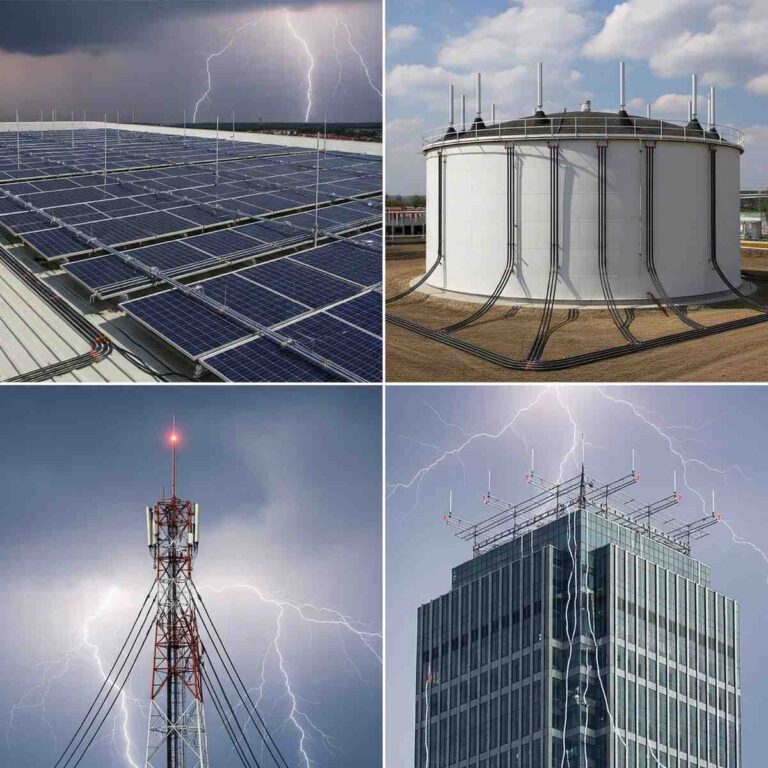
Lightning Strikes Lebanon: Are You Prepared
Discover the importance of lightning protection systems in Lebanon and how they can save your property from devastating damage.
Lightning strikes are a common occurrence in Lebanon, posing a significant threat to properties and lives. Every year, lightning strikes cause millions of dollars in damage to buildings, infrastructure, and electrical systems. In fact, lightning strikes Lebanon frequently, resulting in power outages, fires, and even loss of life.
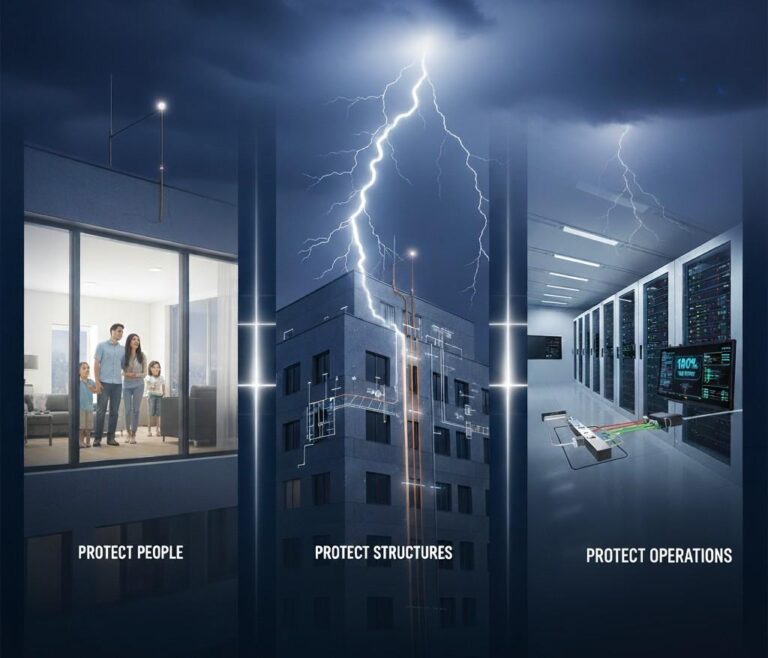
As a property owner in Lebanon, it is essential to understand the risks associated with lightning strikes and take necessary precautions to protect your home or business. Lightning protection systems are designed to prevent or minimize damage from lightning strikes, ensuring the safety of occupants and the integrity of the building.
In this article, we will explore the dangers of lightning strikes in Lebanon, the importance of lightning protection systems, and provide guidance on how to choose the right system for your property. By the end of this article, you will have a better understanding of the risks and consequences of lightning strikes and how to safeguard your property against these devastating events.
Understanding Lightning Strikes
Lightning is a massive electrostatic discharge that occurs during thunderstorms. When a lightning bolt strikes a building, it can cause catastrophic damage, including fires, explosions, and power outages. The severity of the damage depends on various factors, such as the intensity of the strike, the type of building, and the presence of a lightning protection system.
Lightning strikes can also have a significant impact on the electrical systems of a building, causing damage to appliances, electronics, and other sensitive equipment. In some cases, lightning strikes can even cause structural damage to the building, leading to costly repairs and potential safety hazards.
Direct Strike
Type 1
A direct strike occurs when a lightning bolt hits a building directly, causing significant damage and potential loss of life.
Side Flash
Type 2
A side flash occurs when a lightning bolt strikes a nearby object, such as a tree or a power line, and then jumps to a building, causing damage and potential injury.
Ground Current
Type 3
A ground current occurs when a lightning bolt strikes the ground near a building, causing a surge of electricity to flow through the ground and potentially damaging electrical systems and appliances.
Lightning Protection Systems
A lightning protection system is designed to prevent or minimize damage from lightning strikes. These systems typically consist of a network of conductors, such as copper rods or cables, that are installed on the roof and walls of a building. The conductors are connected to a grounding system, which provides a safe path for the electrical discharge to follow.
Lightning protection systems can be customized to meet the specific needs of a building, taking into account factors such as the size and shape of the building, the type of roofing material, and the presence of electrical systems and appliances.
- Conductors
Conductors are the primary components of a lightning protection system, providing a path for the electrical discharge to follow.
- Grounding System
A grounding system provides a safe path for the electrical discharge to follow, preventing damage to the building and its occupants.
- Surge Protectors
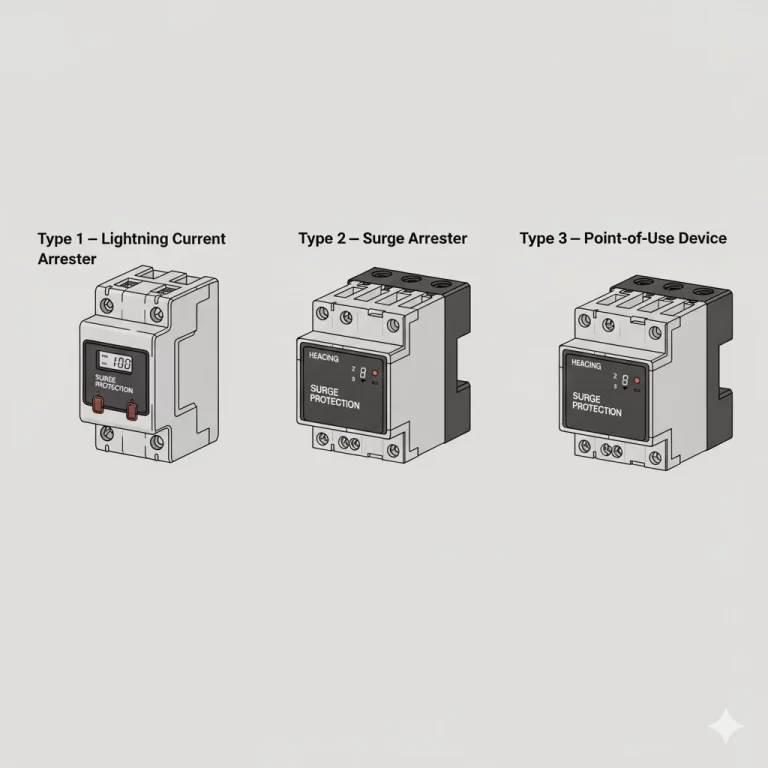
Surge protectors are devices that are installed in electrical systems to prevent damage from power surges and electrical discharges.
Maintenance and Inspection
Regular maintenance and inspection of a lightning protection system are crucial to ensuring its effectiveness. This includes checking the conductors and grounding system for damage or corrosion, as well as testing the system to ensure it is functioning properly.
It is also important to inspect the building and its surroundings for potential lightning hazards, such as trees or power lines that could pose a risk to the building or its occupants.
Conductor Inspection
Inspect the conductors for damage or corrosion, and replace them as needed.
Grounding System Test
Test the grounding system to ensure it is functioning properly and providing a safe path for electrical discharges.
Tree and Power Line Inspection
Inspect the building and its surroundings for potential lightning hazards, such as trees or power lines that could pose a risk to the building or its occupants.
Frequently Asked Questions
Protect Your Property From Lightning Damage
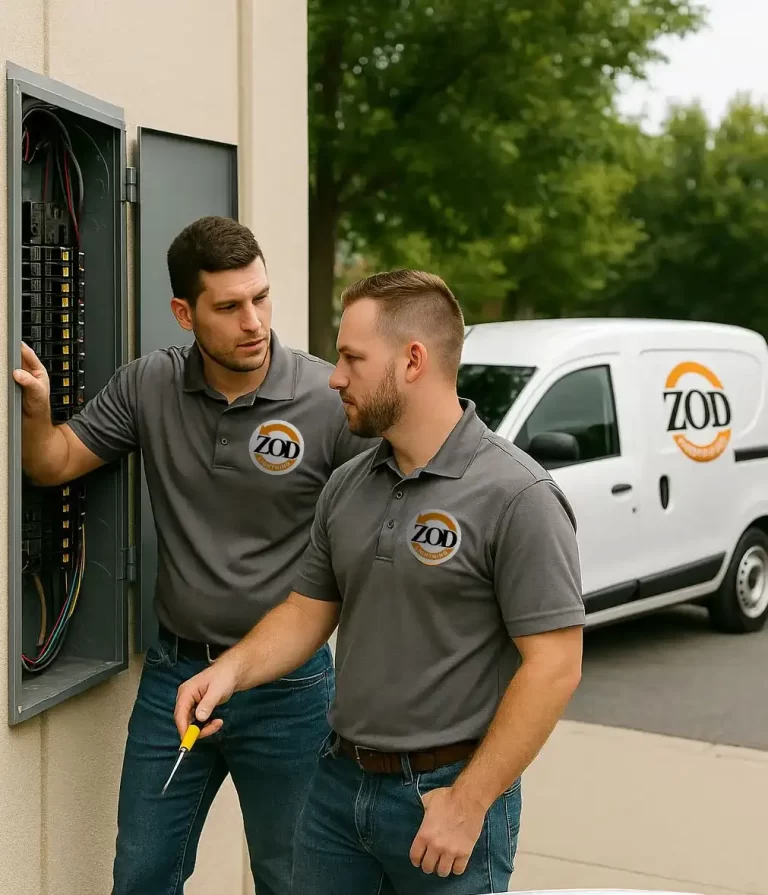
Contact ZOD Lightning today for a free site visit and lightning protection assessment. With over 50 years of experience and a 99.8% client satisfaction rating, ZOD Lightning is the trusted expert in lightning protection systems in Lebanon.