Lightning Conductor Safety For Lebanese Properties
Understanding the role of lightning conductors in safeguarding residential, commercial, and industrial properties in Lebanon from lightning strikes and electrical surges.
Lightning strikes are a significant threat to properties in Lebanon, causing damage to structures and potentially harming people. A lightning conductor, also known as a lightning rod, is a crucial component of a lightning protection system designed to protect buildings from lightning strikes.
The importance of lightning conductor systems cannot be overstated, especially in a country like Lebanon where thunderstorms are frequent. Without proper protection, a lightning strike can result in significant damage to a property, including fires, electrical surges, and structural harm.
In this article, we will delve into the world of lightning conductors, exploring what they are, how they work, and their significance in safeguarding properties in Lebanon. By the end of this article, readers will have a comprehensive understanding of lightning conductor systems and how they can be effectively used to protect properties from lightning damage.
What Is A Lightning Conductor?
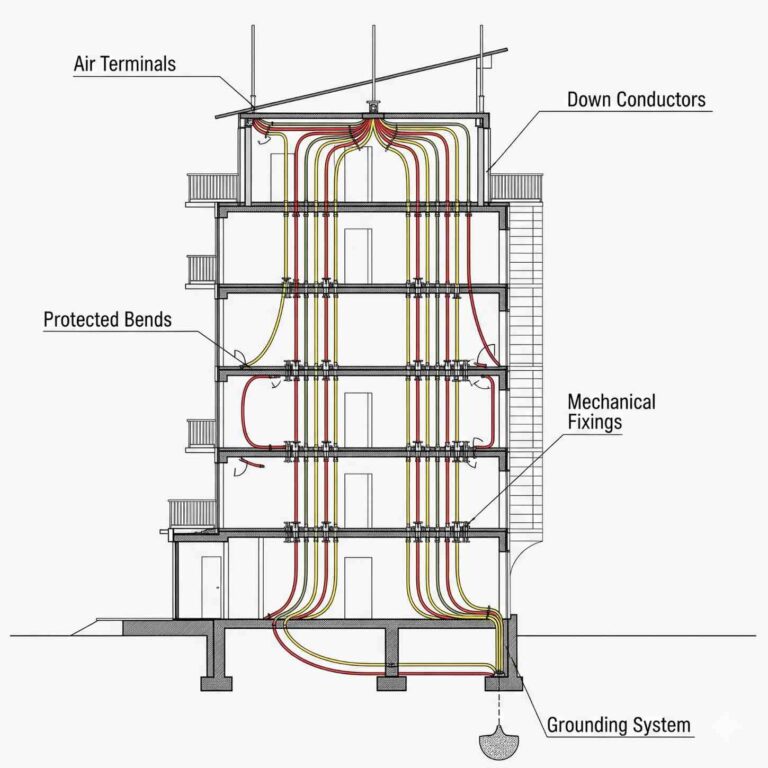
A lightning conductor is a metal rod or system of rods that attracts lightning and directs it harmlessly into the ground, preventing damage to a building or structure. It is typically installed on the roof of a building and connected to a network of down conductors and grounding systems.
The primary function of a lightning conductor is to provide a path for the electrical discharge of a lightning strike, protecting the building and its occupants from the harmful effects of the strike. Lightning conductors are designed to be more attractive to lightning than other parts of a building, ensuring that the strike is directed towards the conductor rather than other vulnerable areas.
- Lightning conductors are typically made of copper or aluminum, materials that are excellent conductors of electricity.
- They are installed on the roof of a building, often at the highest point, to maximize their attractiveness to lightning.
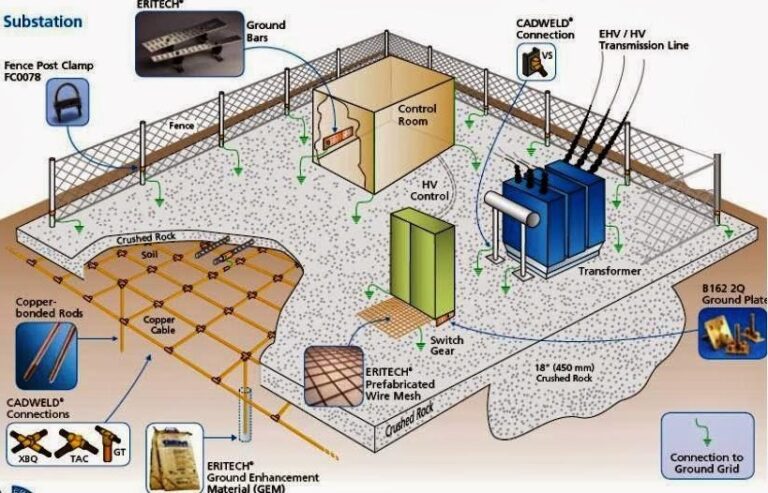
- Down conductors are used to connect the lightning conductor to the grounding system, providing a path for the electrical discharge to safely reach the ground.
How Lightning Conductors Work
When a lightning strike occurs, the lightning conductor attracts the electrical discharge and directs it towards the down conductors. The down conductors then carry the discharge to the grounding system, which dissipates the energy harmlessly into the earth.
The effectiveness of a lightning conductor system depends on various factors, including the type and quality of the materials used, the design and installation of the system, and the condition of the building’s electrical and grounding systems. Regular maintenance and inspection of the lightning conductor system are essential to ensure its continued effectiveness.
Regular Inspection
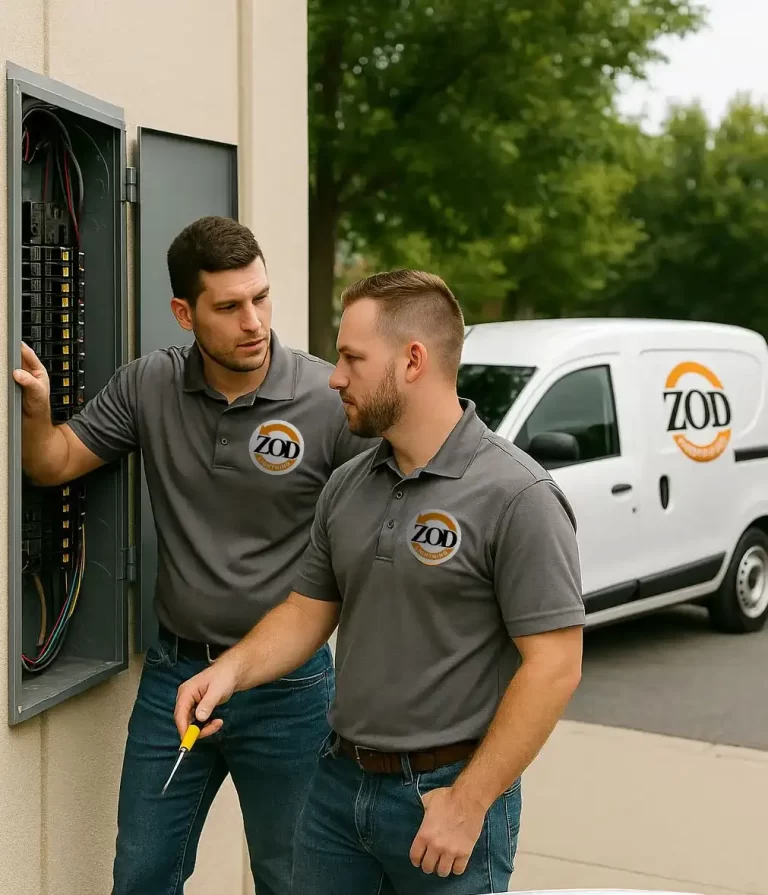
Regular inspection of the lightning conductor system is crucial to identify any damage or wear and tear, ensuring that the system remains effective in protecting the building from lightning strikes.
System Testing
System testing is essential to verify that the lightning conductor system is functioning correctly, providing peace of mind for building owners and occupants.
Repair And Maintenance
Any damage or issues identified during inspection or testing must be addressed promptly, ensuring that the lightning conductor system remains effective in protecting the building from lightning strikes.
Importance Of Lightning Conductors In Lebanon
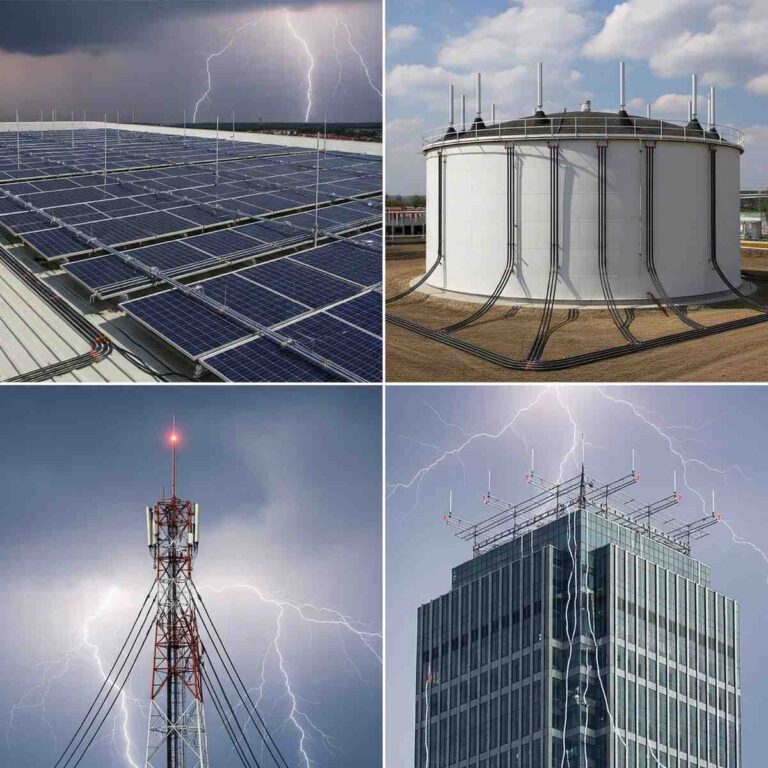
Lightning conductors play a vital role in protecting properties in Lebanon from the risks associated with lightning strikes. With the country’s frequent thunderstorms, the risk of lightning damage is high, making it essential for building owners to invest in a reliable lightning protection system.
A lightning conductor system can help prevent damage to buildings, reduce the risk of injury or death, and minimize the financial impact of a lightning strike. In addition, a well-designed and installed lightning conductor system can also help to reduce the risk of electrical surges and fires, providing comprehensive protection for properties in Lebanon.
Protect Your Property From Lightning Damage
By investing in a lightning conductor system, building owners in Lebanon can enjoy peace of mind, knowing that their property is protected from the risks associated with lightning strikes.
Types Of Lightning Conductors
There are various types of lightning conductors available, each with its own unique characteristics and benefits. The choice of lightning conductor will depend on the specific needs of the building, including its size, design, and location.
Some common types of lightning conductors include air terminals, side flashes, and down conductors. Air terminals are the most common type of lightning conductor and are typically installed on the roof of a building. Side flashes are used to protect buildings with complex designs or multiple roofs, while down conductors are used to connect the lightning conductor to the grounding system.
Air Terminals
Air terminals are the most common type of lightning conductor and are typically installed on the roof of a building. They are designed to attract lightning and direct it towards the down conductors.
Recommended for: Most buildings, including residential, commercial, and industrial properties.
Side Flashes
Side flashes are used to protect buildings with complex designs or multiple roofs. They are designed to provide additional protection against lightning strikes and are often used in conjunction with air terminals.
Recommended for: Buildings with complex designs or multiple roofs, including residential, commercial, and industrial properties.
Down Conductors
Down conductors are used to connect the lightning conductor to the grounding system, providing a path for the electrical discharge to safely reach the ground. They are an essential component of a lightning protection system and must be installed correctly to ensure effectiveness.
Recommended for: All buildings, including residential, commercial, and industrial properties.
Frequently Asked Questions
Protect Your Property From Lightning Damage
Contact ZOD today for a free site visit and lightning protection assessment.