Lightning Protection Lebanon: Safeguarding Your Property
Discover the importance of lightning protection in Lebanon and how it can save your property from devastating damage.
Lightning strikes are a common occurrence in Lebanon, posing a significant threat to properties and human life. Every year, lightning strikes cause considerable damage to buildings, infrastructure, and the environment. It is essential for property owners to take necessary precautions to protect their assets from lightning damage.
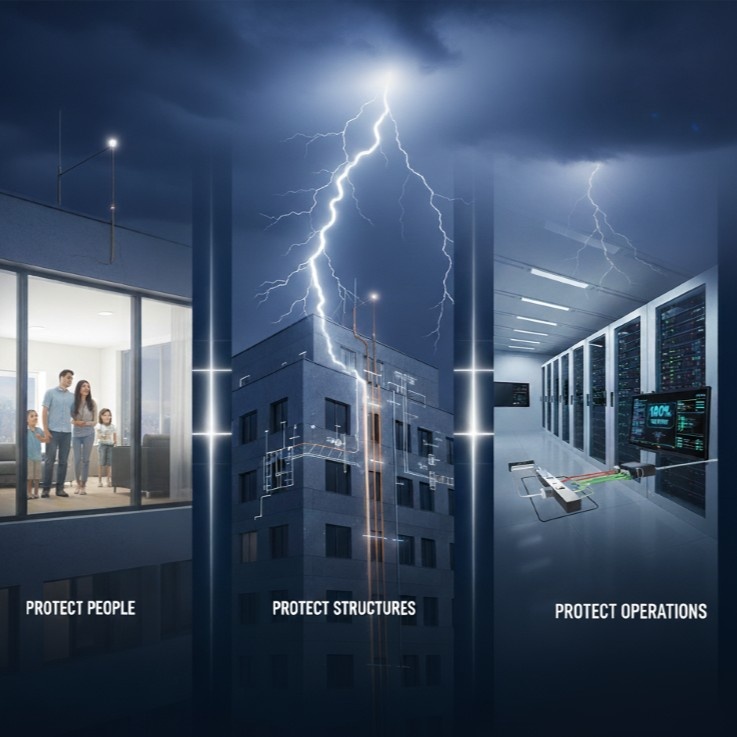
The topic of lightning protection is crucial for property owners in Lebanon, as it can help prevent damage to buildings, reduce the risk of fire, and ensure the safety of occupants. Lightning protection systems are designed to divert lightning strikes away from buildings, thereby preventing damage to the structure and its contents.
In this article, you will learn about the importance of lightning protection in Lebanon, the different types of lightning protection systems, and how to choose the right system for your property. You will also discover the benefits of installing a lightning protection system, including reduced risk of damage, lower insurance premiums, and increased property value.
Understanding Lightning Strikes
Lightning strikes are a natural phenomenon that occurs during thunderstorms. When a lightning strike hits a building, it can cause significant damage to the structure, electrical systems, and contents. The strike can also start a fire, which can spread quickly and cause further damage.
It is essential to understand the risks associated with lightning strikes and take necessary precautions to protect your property. This includes installing a lightning protection system, which can help divert lightning strikes away from your building and prevent damage.
- Lightning strikes can cause significant damage to buildings and infrastructure.
- Lightning strikes can start fires, which can spread quickly and cause further damage.
- Lightning strikes can also cause power outages and disrupt communication systems.
Lightning Protection Systems
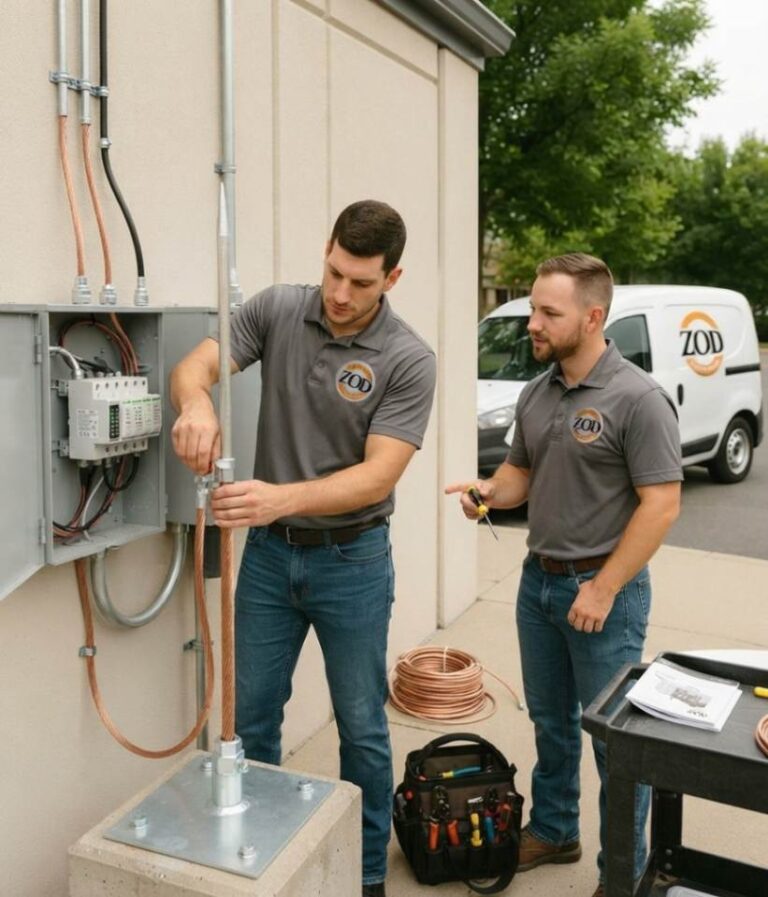
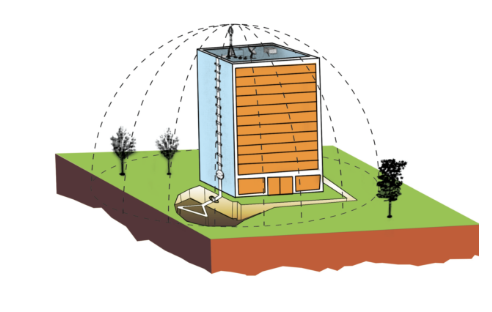
Lightning protection systems are designed to protect buildings from lightning strikes. These systems typically consist of a network of conductors, such as copper or aluminum, that are installed on the roof and sides of a building. The conductors are connected to a grounding system, which directs the lightning strike into the earth, thereby preventing damage to the building.
There are different types of lightning protection systems, including air terminals, down conductors, and grounding systems. Air terminals are installed on the roof of a building and are designed to attract lightning strikes. Down conductors are installed on the sides of a building and are designed to direct lightning strikes to the grounding system.
Air Terminals
Air terminals are installed on the roof of a building and are designed to attract lightning strikes. They are typically made of copper or aluminum and are connected to a down conductor.
Recommended for: buildings with flat roofs
Down Conductors
Down conductors are installed on the sides of a building and are designed to direct lightning strikes to the grounding system. They are typically made of copper or aluminum and are connected to an air terminal.
Recommended for: buildings with sloping roofs
Grounding Systems
Grounding systems are designed to direct lightning strikes into the earth, thereby preventing damage to a building. They are typically made of copper or aluminum and are connected to a down conductor.
Recommended for: all buildings
Maintaining Your Lightning Protection System
Regular maintenance is essential to ensure that your lightning protection system is functioning correctly. This includes inspecting the system annually, cleaning the conductors and connections, and replacing any damaged or corroded components.
It is also essential to test your lightning protection system regularly to ensure that it is functioning correctly. This includes testing the air terminals, down conductors, and grounding system to ensure that they are directing lightning strikes away from your building.
Annual Inspection
Inspect your lightning protection system annually to ensure that it is functioning correctly.
Cleaning the Conductors
Clean the conductors and connections regularly to ensure that they are free from corrosion and damage.
Testing the System
Test your lightning protection system regularly to ensure that it is functioning correctly.
Frequently Asked Questions
Protect Your Property From Lightning Damage
Contact ZOD today for a free site visit and lightning protection assessment.