Lightning & Surge Protection Matters
Discover the importance of protecting your property from lightning damage and power surges in Lebanon.
Lebanon experiences a significant number of lightning strikes every year, posing a threat to properties and lives. Lightning strikes can cause severe damage to buildings, infrastructure, and electrical systems. Moreover, power surges can occur at any time, affecting electronic devices and equipment.
As a property owner in Lebanon, it is essential to understand the risks associated with lightning strikes and power surges. The consequences of not having adequate lightning & surge protection can be devastating, resulting in financial losses, damage to property, and even loss of life. Therefore, it is crucial to take proactive measures to safeguard your property and ensure the safety of your family, employees, or tenants.
In this article, you will learn about the importance of lightning & surge protection, the types of protection systems available, and how to choose the right solution for your property. You will also discover the benefits of investing in a lightning & surge protection system, including reduced risk of damage, lower insurance premiums, and increased property value.
Understanding Lightning Strikes
Lightning is a massive electrostatic discharge that occurs during thunderstorms. When a lightning strike hits a building or structure, it can cause significant damage to the electrical system, roof, walls, and foundation. The strike can also start a fire, which can spread quickly and cause further destruction.
It is essential to understand that lightning strikes can occur at any time, and the risk is higher during thunderstorms. However, with the right lightning & surge protection system, you can significantly reduce the risk of damage to your property.
- Assessing the Risk
Before installing a lightning & surge protection system, it is crucial to assess the risk of lightning strikes in your area. This can be done by consulting with a lightning protection expert who can evaluate the location, terrain, and weather patterns in your region.
Types of Lightning & Surge Protection Systems
There are several types of lightning & surge protection systems available, including air terminals, down conductors, grounding systems, and surge protection devices. Each type of system has its unique characteristics, benefits, and applications.
Air terminals, also known as lightning rods, are designed to attract lightning strikes and direct them to the ground. Down conductors are used to carry the electrical charge from the air terminal to the grounding system. Grounding systems, on the other hand, are designed to dissipate the electrical charge into the earth, reducing the risk of damage to the property.
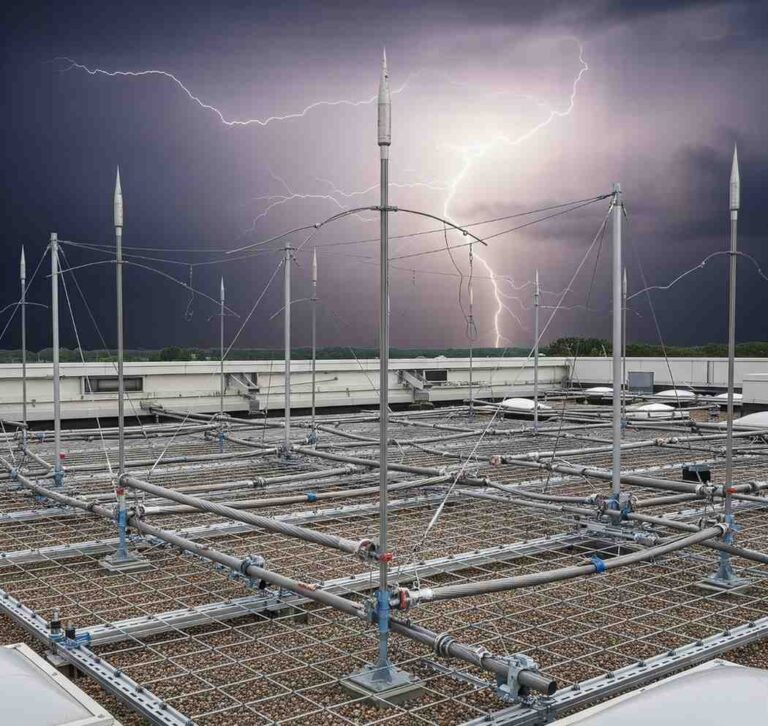
Air Terminals
Air terminals are designed to attract lightning strikes and direct them to the ground. They are typically installed on the roof of a building and are connected to a down conductor.
Recommended for: Buildings with a high risk of lightning strikes.
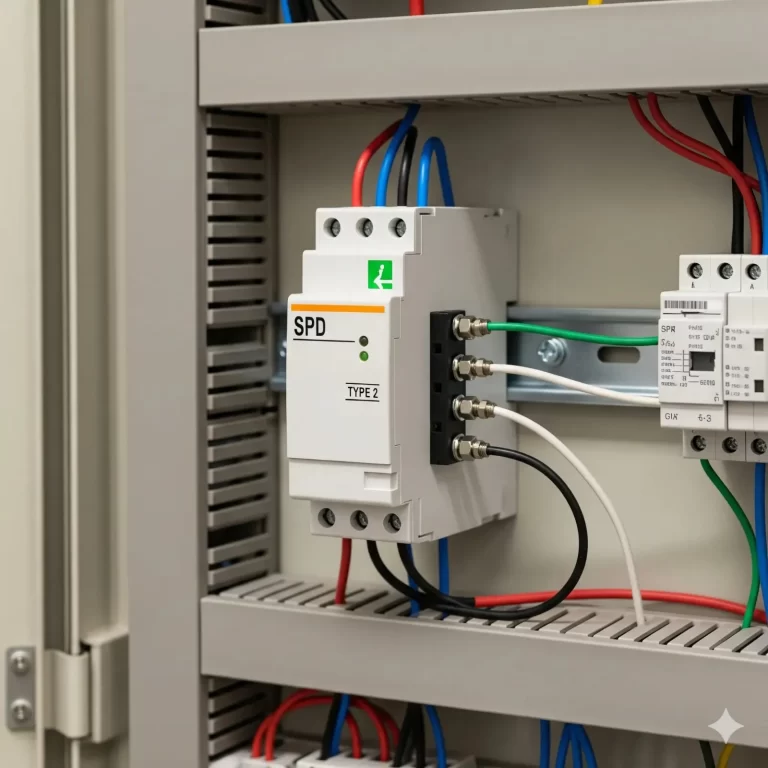
Surge Protection Devices
Surge protection devices are designed to protect electrical systems from power surges. They are typically installed at the main electrical panel and can be used to protect individual devices or entire systems.
Recommended for: Properties with sensitive electrical equipment.
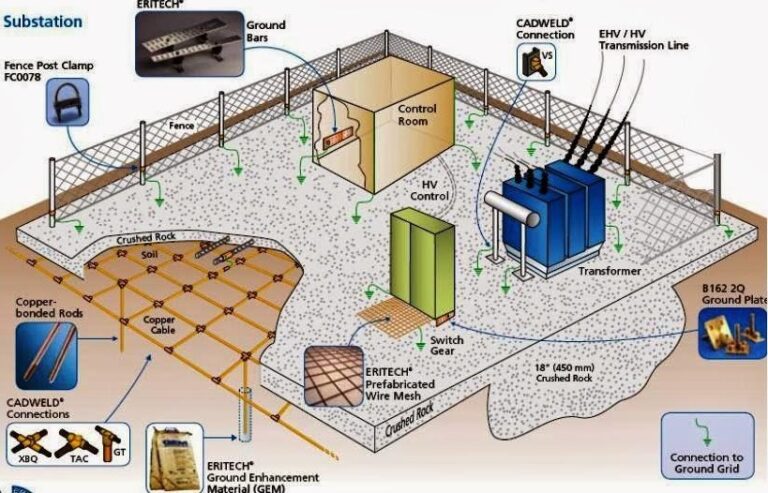
Grounding Systems
Grounding systems are designed to dissipate electrical charges into the earth, reducing the risk of damage to the property. They are typically installed around the perimeter of a building and are connected to a down conductor.
Recommended for: Properties with a high risk of lightning strikes.
Maintenance and Inspection
Regular maintenance and inspection of lightning & surge protection systems are crucial to ensure their effectiveness. This includes checking the air terminals, down conductors, and grounding systems for damage or wear and tear.
It is also essential to test the surge protection devices regularly to ensure they are functioning correctly. This can be done by hiring a qualified technician who can perform the necessary tests and repairs.
Regular Inspections
Regular inspections can help identify potential issues with the lightning & surge protection system, reducing the risk of damage to the property.
Repairs and Maintenance
Repairs and maintenance should be performed by a qualified technician to ensure the lightning & surge protection system is functioning correctly.
Scheduled Testing
Scheduled testing can help identify potential issues with the surge protection devices, reducing the risk of damage to the property.
Frequently Asked Questions
Protect Your Property From Lightning Damage
Contact ZOD Lightning today for a free site visit and lightning protection assessment.