Lightning Protection Lebanon: Safeguarding Your Property
Discover the importance of lightning protection in Lebanon and how to protect your property from damage.
Lightning strikes can cause significant damage to properties in Lebanon, resulting in financial losses and posing a risk to human life. In fact, lightning strikes are a common occurrence in Lebanon, particularly during the summer months. It is essential for property owners to take necessary precautions to protect their properties from lightning damage.
The topic of lightning protection is crucial for property owners in Lebanon, as it can help prevent damage to buildings, electrical systems, and other infrastructure. Moreover, lightning protection can also help prevent fires, which can be devastating to properties and human life. By understanding the importance of lightning protection, property owners can take proactive steps to safeguard their properties and ensure the safety of their occupants.
In this article, we will discuss the importance of lightning protection in Lebanon, the different types of lightning protection systems, and how to choose the right system for your property. We will also provide guidance on how to maintain and inspect lightning protection systems to ensure they are functioning properly.
Understanding Lightning Protection Systems
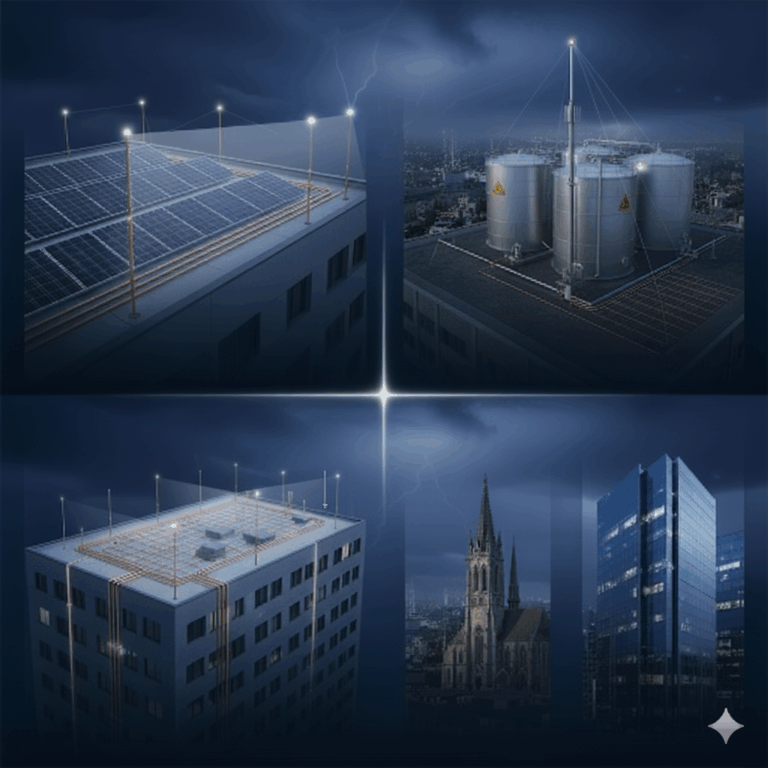
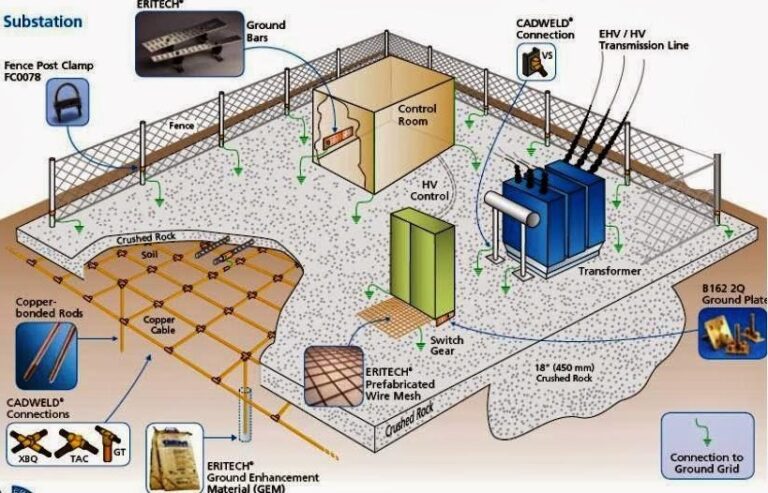
Lightning protection systems are designed to protect properties from lightning strikes by providing a safe path for the electrical discharge to follow. These systems typically consist of a network of conductors, such as copper or aluminum, that are installed on the roof and walls of a building. The conductors are connected to a grounding system, which directs the electrical discharge into the earth, preventing damage to the building and its occupants.
There are different types of lightning protection systems, including air terminals, down conductors, and grounding systems. Air terminals, also known as lightning rods, are installed on the roof of a building and are designed to attract lightning strikes. Down conductors are installed on the walls of a building and provide a path for the electrical discharge to follow. Grounding systems are installed in the earth and provide a safe path for the electrical discharge to follow.
- Step 1: Assess Your Property
Assess your property to determine if it is at risk of lightning damage. Consider the location, size, and type of building, as well as the presence of any nearby lightning attractors, such as tall trees or power lines.
Types of Lightning Protection Systems
There are several types of lightning protection systems available, including traditional systems, early streamer emission systems, and charge transfer systems. Traditional systems use air terminals and down conductors to attract and direct lightning strikes. Early streamer emission systems use a special type of air terminal that emits an electrical charge, which helps to attract lightning strikes. Charge transfer systems use a special type of conductor that transfers the electrical charge from the lightning strike to the grounding system.
Traditional Systems
Traditional systems use air terminals and down conductors to attract and direct lightning strikes. They are a cost-effective option and are suitable for most properties.
Recommended for: residential and commercial properties
Early Streamer Emission Systems
Early streamer emission systems use a special type of air terminal that emits an electrical charge, which helps to attract lightning strikes. They are suitable for properties that are at high risk of lightning damage.
Recommended for: industrial and high-risk properties
Charge Transfer Systems
Charge transfer systems use a special type of conductor that transfers the electrical charge from the lightning strike to the grounding system. They are suitable for properties that require a high level of protection.
Recommended for: high-value and high-risk properties
Maintenance and Inspection of Lightning Protection Systems
Regular maintenance and inspection of lightning protection systems are essential to ensure they are functioning properly. This includes checking the condition of the air terminals, down conductors, and grounding system, as well as verifying that the system is properly connected and functioning.
Visual Inspection
Conduct a visual inspection of the lightning protection system to check for any damage or wear and tear.
System Testing
Conduct regular testing of the lightning protection system to ensure it is functioning properly.
Scheduling
Schedule regular maintenance and inspection of the lightning protection system to ensure it is functioning properly.
Frequently Asked Questions
Protect Your Property From Lightning Damage
Contact ZOD Lightning today for a free site visit and lightning protection assessment.