Security Systems For Home: Protecting Your Family And Property
Discover the importance of security systems for home in Lebanon and how they can protect your loved ones and assets from potential threats.
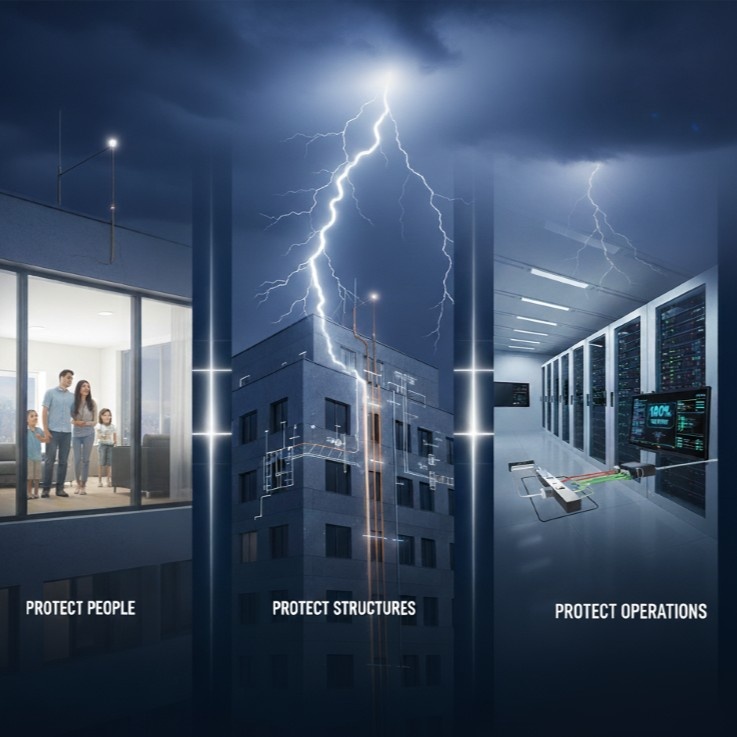
As a homeowner in Lebanon, you understand the significance of protecting your family and property from various threats, including lightning strikes, power surges, and electrical fires. Security systems for home play a crucial role in ensuring the safety and well-being of your loved ones and assets. In this article, we will explore the different types of security systems for home and their importance in the Lebanese context.
The Lebanese climate is known for its hot summers and wet winters, which can increase the risk of lightning strikes and power surges. Moreover, the country’s aging infrastructure can lead to electrical fires and other hazards. Therefore, it is essential to have a reliable security system for home that can protect your property and family from these potential threats.
In this article, you will learn about the different types of security systems for home, including lightning protection systems, earthing systems, and surge protection systems. You will also discover the benefits of installing these systems and how they can provide you with peace of mind and protect your investment.
Understanding Lightning Protection Systems
Lightning protection systems are designed to protect your home from lightning strikes, which can cause significant damage to your property and put your family’s life at risk. These systems typically consist of a lightning rod, a down conductor, and a grounding system. The lightning rod attracts the lightning strike, while the down conductor directs the electrical current to the ground, where it is safely discharged.
In Lebanon, lightning protection systems are essential, especially in areas with high lightning activity. According to international standards, such as IEC 62305, all buildings should be equipped with a lightning protection system to ensure the safety of occupants and property.
- Step 1: Risk Assessment
Assess the risk of lightning strikes in your area and determine the level of protection required.
- Step 2: System Design
Design a lightning protection system that meets the specific needs of your home, including the type of roof, walls, and foundation.
- Step 3: Installation
Install the lightning protection system, including the lightning rod, down conductor, and grounding system, to ensure a safe and effective discharge of electrical current.
Earthing Systems: The Foundation Of Lightning Protection
Earthing systems are a critical component of lightning protection systems, as they provide a safe path for the electrical current to flow to the ground. A well-designed earthing system can prevent electrical shocks and ensure the safe discharge of lightning strikes.
In Lebanon, earthing systems should be designed and installed according to international standards, such as IEC 62305, to ensure the safety of occupants and property. A good earthing system should have a low resistance to ground, typically less than 10 ohms, to ensure a safe and effective discharge of electrical current.
Deep Earthing
Deep earthing involves drilling a deep hole to reach a low-resistance layer of soil, typically 10-20 meters deep.
Recommended for areas with high lightning activity.
Shallow Earthing
Shallow earthing involves digging a shallow trench, typically 1-2 meters deep, to lay the earthing conductor.
Recommended for areas with low lightning activity.
Hybrid Earthing
Hybrid earthing involves combining deep and shallow earthing methods to achieve a low-resistance earthing system.
Recommended for areas with varying soil conditions.
Surge Protection Systems: Safeguarding Your Electrical Appliances
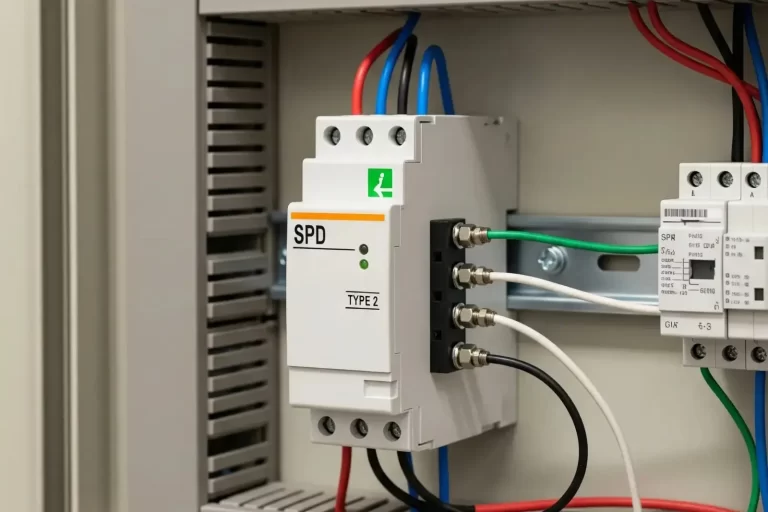
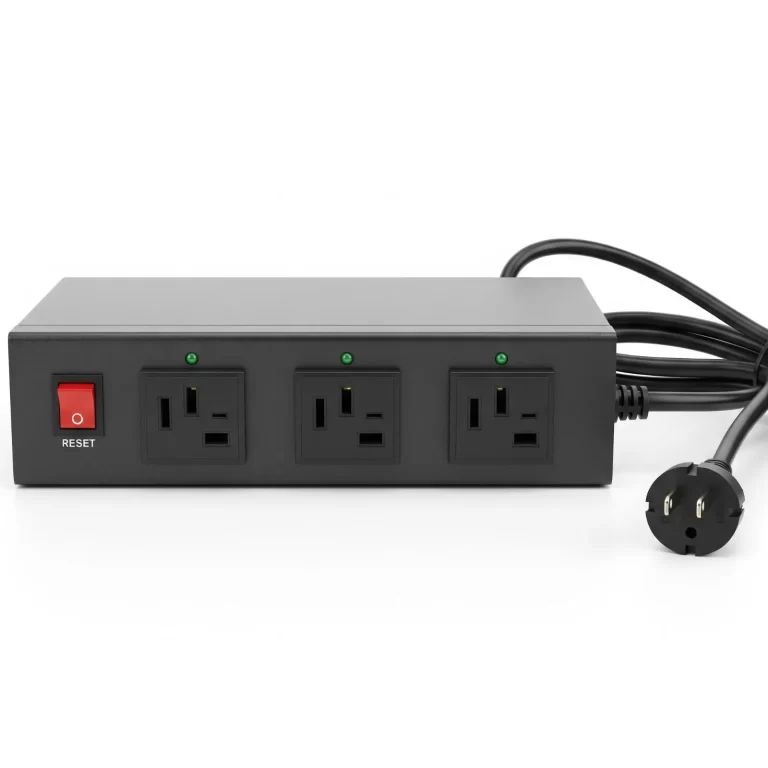
Surge protection systems are designed to protect your electrical appliances from power surges, which can cause significant damage to your equipment and disrupt your daily activities. These systems typically consist of a surge protector, which absorbs or blocks the surge, and a grounding system, which directs the electrical current to the ground.
In Lebanon, surge protection systems are essential, especially in areas with frequent power outages and electrical storms. According to international standards, such as NFPA 780, all buildings should be equipped with a surge protection system to ensure the safety of occupants and property.
Primary Protection
Type 1
Primary protection involves installing a surge protector at the main electrical panel to protect the entire building.
Secondary Protection
Type 2
Secondary protection involves installing surge protectors at individual outlets to protect specific appliances.
Tertiary Protection
Type 3
Tertiary protection involves installing surge protectors at the component level to protect sensitive electronics.
Maintenance And Inspection Of Security Systems For Home
Regular maintenance and inspection of security systems for home are essential to ensure their effectiveness and longevity. This includes checking the lightning protection system, earthing system, and surge protection system to ensure they are functioning properly.
In Lebanon, it is recommended to inspect and maintain security systems for home at least once a year, especially after heavy rainfall or electrical storms. This can help identify potential issues and prevent costly repairs.
Visual Inspection
Visually inspect the security systems for home to identify any signs of damage or wear and tear.
Testing And Measurement
Test and measure the security systems for home to ensure they are functioning properly and meeting international standards.
Repair And Replacement
Repair or replace any damaged or faulty components to ensure the security systems for home are functioning effectively.
Frequently Asked Questions
Protect Your Property From Lightning Damage
Contact ZOD Lightning today for a free site visit and lightning protection assessment to ensure your security systems for home are functioning effectively and providing comprehensive protection for your family and property.