Surge Protection Essentials
Understanding the importance of surge protection for residential, commercial, and industrial properties in Lebanon.
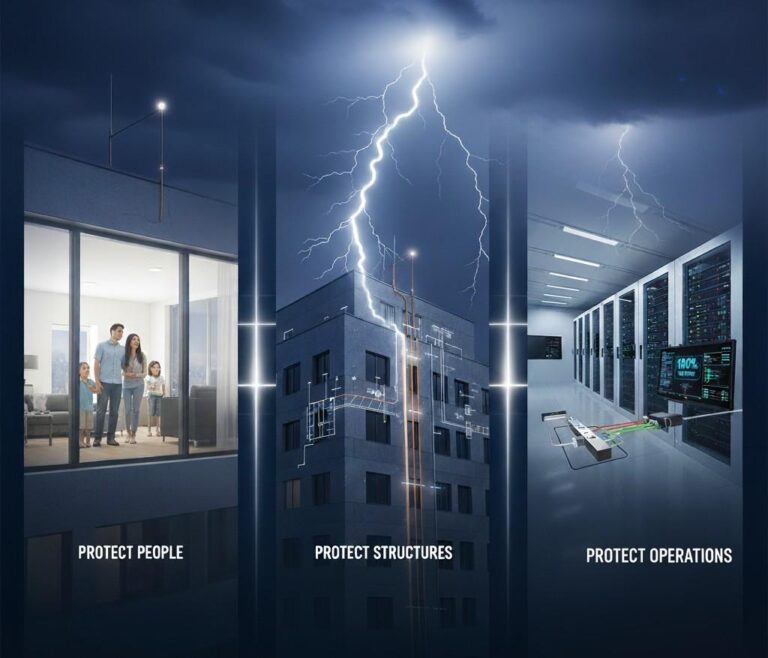
Lebanon experiences a significant number of lightning strikes every year, posing a threat to properties and electrical systems. A single lightning strike can cause devastating damage to buildings and infrastructure, highlighting the need for effective surge protection measures.
As a property owner in Lebanon, it is crucial to understand the risks associated with lightning strikes and electrical surges. Surge protection is a critical component of a comprehensive lightning protection system, designed to safeguard electrical equipment and prevent damage from power surges.
In this article, we will delve into the world of surge protection, exploring its importance, types, and applications. We will also discuss the benefits of implementing surge protection systems and provide guidance on how to choose the right solution for your property.
What Is Surge Protection?
Surge protection refers to the measures taken to prevent or mitigate the effects of electrical surges on electrical equipment and systems. Electrical surges can be caused by lightning strikes, power grid fluctuations, or internal factors such as electrical switching.
Surge protection devices (SPDs) are designed to divert or absorb electrical surges, preventing them from reaching sensitive equipment. These devices are typically installed at the electrical panel or at the point of use, and can be customized to meet the specific needs of a property.
- Step 1: Assess Your Risk
Determine the level of risk associated with your property, taking into account factors such as location, climate, and electrical infrastructure.
- Step 2: Choose The Right SPD
Select a surge protection device that meets your specific needs, considering factors such as voltage, current, and response time.
- Step 3: Install And Maintain
Install the SPD according to the manufacturer’s instructions, and perform regular maintenance to ensure optimal performance.
Types Of Surge Protection Devices
There are several types of surge protection devices available, each with its own unique characteristics and applications. The most common types of SPDs include gas tube arresters, metal oxide varistors (MOVs), and silicon avalanche diodes (SADs).
Gas tube arresters are designed for high-voltage applications, while MOVs are suitable for lower-voltage systems. SADs are used in specialized applications, such as telecommunications and data centers.
Gas Tube Arrester
Designed for high-voltage applications, gas tube arresters are ideal for industrial and commercial properties.
Recommended for: High-voltage systems
Metal Oxide Varistor (MOV)
Suitable for lower-voltage systems, MOVs are commonly used in residential and commercial properties.
Recommended for: Lower-voltage systems
Silicon Avalanche Diode (SAD)
Used in specialized applications, SADs are ideal for telecommunications and data centers.
Recommended for: Specialized applications
Surge Protection System Layers
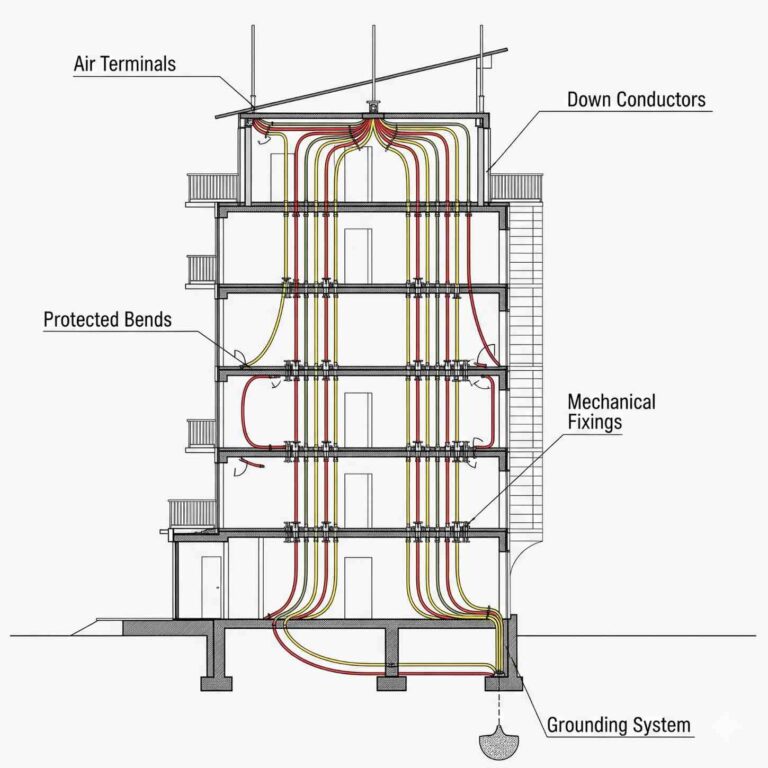
A comprehensive surge protection system typically consists of multiple layers, each designed to provide a specific level of protection. The primary layers include the service entrance, electrical panel, and point of use.
The service entrance layer provides protection against external surges, while the electrical panel layer safeguards against internal surges. The point of use layer provides protection for sensitive equipment and devices.
Service Entrance
Primary Layer
Provides protection against external surges, such as lightning strikes and power grid fluctuations.
Electrical Panel
Secondary Layer
Safeguards against internal surges, such as electrical switching and load changes.
Point Of Use
Tertiary Layer
Provides protection for sensitive equipment and devices, such as computers and televisions.
Maintenance And Inspection
Regular maintenance and inspection are crucial to ensuring the optimal performance of a surge protection system. This includes checking the system’s components, such as SPDs and wiring, for damage or wear.
Property owners should also perform routine testing to verify the system’s functionality and identify potential issues. This can be done using specialized equipment, such as surge testers and multimeters.
Visual Inspection
Check the system’s components for damage or wear, including SPDs and wiring.
Surge Testing
Verify the system’s functionality using surge testers and multimeters.
Scheduled Maintenance
Perform routine maintenance and inspection to ensure optimal performance and extend the system’s lifespan.
Frequently Asked Questions
Protect Your Property From Lightning Damage
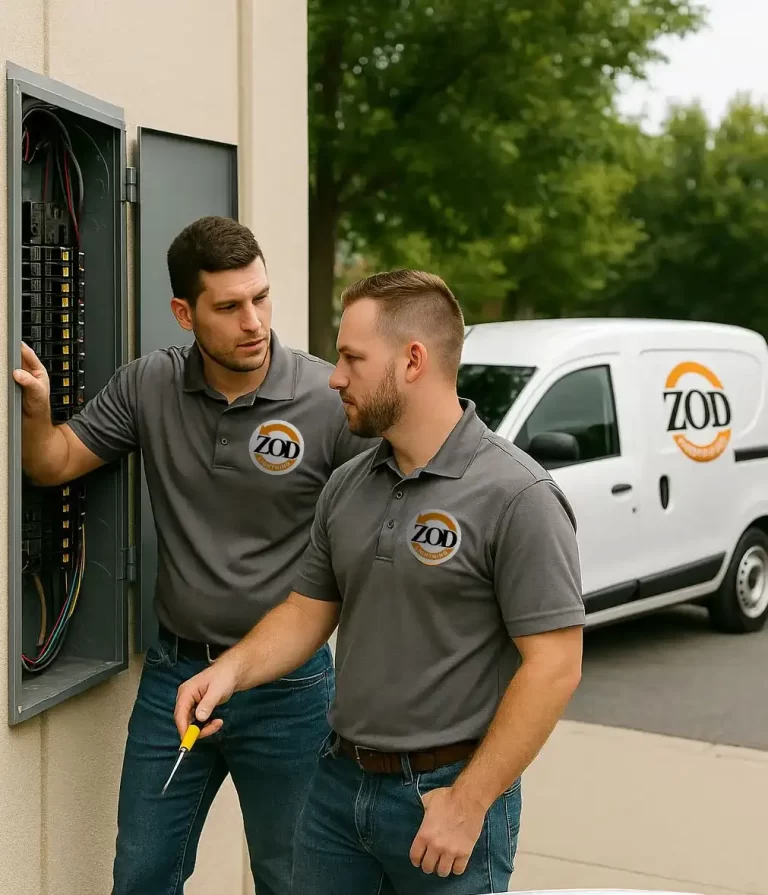
Contact ZOD today for a free site visit and lightning protection assessment.