Understanding Lightning Protection System

Protect your property from lightning damage with a comprehensive lightning protection system.

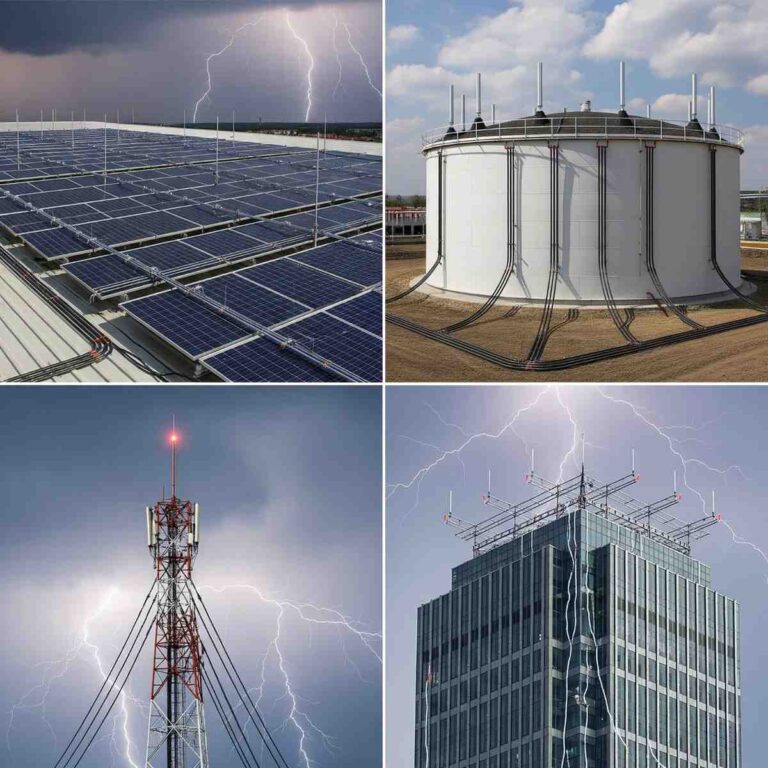
Lightning strikes can cause significant damage to properties in Lebanon, resulting in costly repairs and even loss of life. As a property owner, it is essential to understand the importance of a lightning protection system. According to the International Electrotechnical Commission (IEC), a lightning protection system is designed to protect buildings, people, and equipment from the effects of lightning strikes.

The risk of lightning strikes in Lebanon is relatively high due to its location in a region prone to thunderstorms. In fact, lightning strikes are one of the most common causes of power outages and equipment damage in the country. A lightning protection system can help mitigate this risk by providing a safe path for lightning to follow, thereby preventing damage to the property and its occupants.

In this article, we will discuss the importance of a lightning protection system, its components, and how it works to protect properties in Lebanon. We will also explore the different types of lightning protection systems available and the factors to consider when selecting a system for your property.

How Lightning Protection Systems Work

A lightning protection system typically consists of several components, including a lightning rod, down conductors, and a grounding system. The lightning rod is designed to attract lightning and provide a path for it to follow to the ground. The down conductors are used to connect the lightning rod to the grounding system, which is typically a network of underground cables and rods that provide a safe path for the lightning to follow.

The grounding system is a critical component of a lightning protection system, as it provides a safe path for the lightning to follow and prevents damage to the property and its occupants. The grounding system typically consists of a network of underground cables and rods that are connected to the down conductors and the lightning rod.

Lightning Rod

Primary Component

The lightning rod is designed to attract lightning and provide a path for it to follow to the ground.

Down Conductors

Secondary Component

The down conductors are used to connect the lightning rod to the grounding system.

Grounding System

Tertiary Component

The grounding system provides a safe path for the lightning to follow and prevents damage to the property and its occupants.

Components Of A Lightning Protection System

A lightning protection system typically consists of several components, including lightning rods, down conductors, and a grounding system. The lightning rod is designed to attract lightning and provide a path for it to follow to the ground. The down conductors are used to connect the lightning rod to the grounding system, which is typically a network of underground cables and rods that provide a safe path for the lightning to follow.

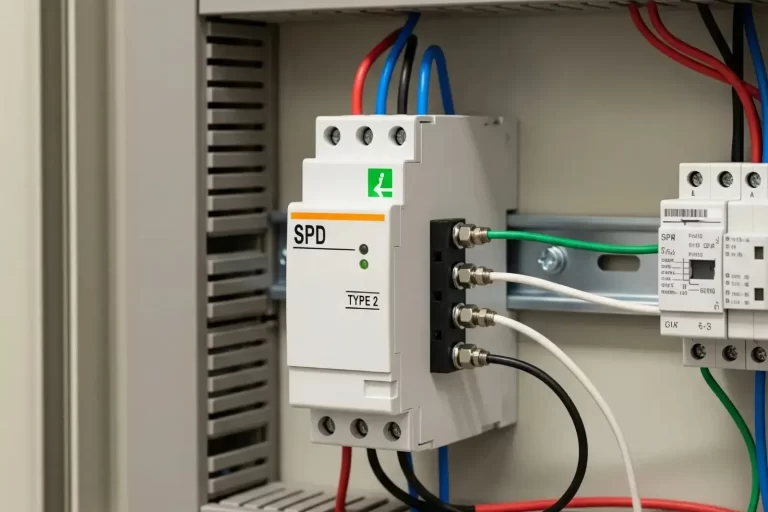
In addition to these components, a lightning protection system may also include surge protection devices, which are designed to protect electrical equipment from power surges caused by lightning strikes. These devices can help prevent damage to sensitive equipment and reduce the risk of power outages.

  • Lightning Rod

    The lightning rod is designed to attract lightning and provide a path for it to follow to the ground.

  • Down Conductors

    The down conductors are used to connect the lightning rod to the grounding system.

  • Grounding System

    The grounding system provides a safe path for the lightning to follow and prevents damage to the property and its occupants.

Frequently Asked Questions

What is a lightning protection system?
A lightning protection system is a system designed to protect buildings, people, and equipment from the effects of lightning strikes. It typically consists of a lightning rod, down conductors, and a grounding system.

How does a lightning protection system work?
A lightning protection system works by providing a safe path for lightning to follow to the ground, thereby preventing damage to the property and its occupants. The lightning rod attracts lightning and provides a path for it to follow to the ground, while the down conductors connect the lightning rod to the grounding system.

What are the benefits of a lightning protection system?
The benefits of a lightning protection system include protecting people and equipment from the effects of lightning strikes, preventing damage to buildings and structures, and reducing the risk of power outages.

How often should a lightning protection system be inspected?
A lightning protection system should be inspected regularly to ensure that it is functioning properly and to identify any potential issues. The frequency of inspections will depend on the specific system and the location of the property.

Can a lightning protection system be installed on an existing building?
Yes, a lightning protection system can be installed on an existing building. However, it is essential to consult with a qualified professional to determine the best approach for the specific building and to ensure that the system is installed correctly.

Protect Your Property From Lightning Damage

Contact ZOD Lightning today for a free site visit and lightning protection assessment to determine the best lightning protection system for your property.

Get a Free Assessment

Similar Posts

  • Surge Protection Matters

    Surge Protection Matters Understanding the importance of surge protection for your property in Lebanon. Power surges can cause significant damage to electrical equipment and pose a fire hazard, making surge protection a critical consideration for property owners in Lebanon. Many people are unaware of the risks associated with power surges and the importance of surge…

  • Lightning Protection Lebanon: Safeguarding Lives And Properties

    Lightning Protection Lebanon: Safeguarding Lives And Properties Learn how to protect your home, business, or industrial facility from the dangers of lightning strikes and power surges in Lebanon. Lightning strikes are a common occurrence in Lebanon, posing a significant threat to lives, properties, and electrical systems. In fact, lightning is one of the leading causes…

  • Surge Protective Device Safety

    Surge Protective Device Safety Understanding the importance of surge protective devices for your property in Lebanon. Power surges and lightning strikes can cause significant damage to your property’s electrical systems, resulting in costly repairs and even posing a risk to human life. In Lebanon, where thunderstorms are common, it is crucial to take measures to…

  • Lightning Strikes Lebanon: Understanding The Risks

    Lightning Strikes Lebanon: Understanding The Risks Discover the importance of lightning protection for residential, commercial, and industrial properties in Lebanon. Lightning strikes are a common occurrence in Lebanon, with the country experiencing a significant number of thunderstorms throughout the year. These storms can bring heavy rainfall, strong winds, and lightning, which can cause damage to…

  • Lightning Experts Protect Your Property

    Lightning Experts Protect Your Property Discover the importance of professional lightning protection for residential, commercial, and industrial properties in Lebanon. Lightning strikes can be devastating to properties in Lebanon, causing significant damage and even loss of life. As a property owner, it is essential to take proactive measures to protect your investment and ensure the…

  • Understanding Lightning Protection Lebanon

    Understanding Lightning Protection Lebanon Discover the importance of lightning protection systems in safeguarding your property in Lebanon. Lightning strikes can cause significant damage to properties, resulting in costly repairs and even loss of life. In Lebanon, where thunderstorms are common, it is essential to have a lightning protection system in place. A lightning protection system…