Surge Protection Essentials
Understanding the importance of surge protection for your Lebanese property and how to safeguard your home or business from power surges.
Power surges can cause significant damage to electrical equipment and pose a risk to safety, a concern for many property owners in Lebanon. The country’s climate and infrastructure can make it prone to power surges, making it essential to consider surge protection. Surge protection is crucial for residential, commercial, and industrial properties to prevent damage from power surges.
The topic of surge protection matters to property owners in Lebanon because it can help prevent financial losses due to damaged equipment and reduce the risk of accidents. By understanding surge protection, property owners can take proactive steps to safeguard their properties and ensure the safety of occupants.
In this article, readers will learn about the importance of surge protection, the types of surge protection devices available, and how to implement effective surge protection measures for their properties. By the end of this article, readers will have a comprehensive understanding of surge protection and be equipped to make informed decisions about safeguarding their properties.
Understanding Power Surges
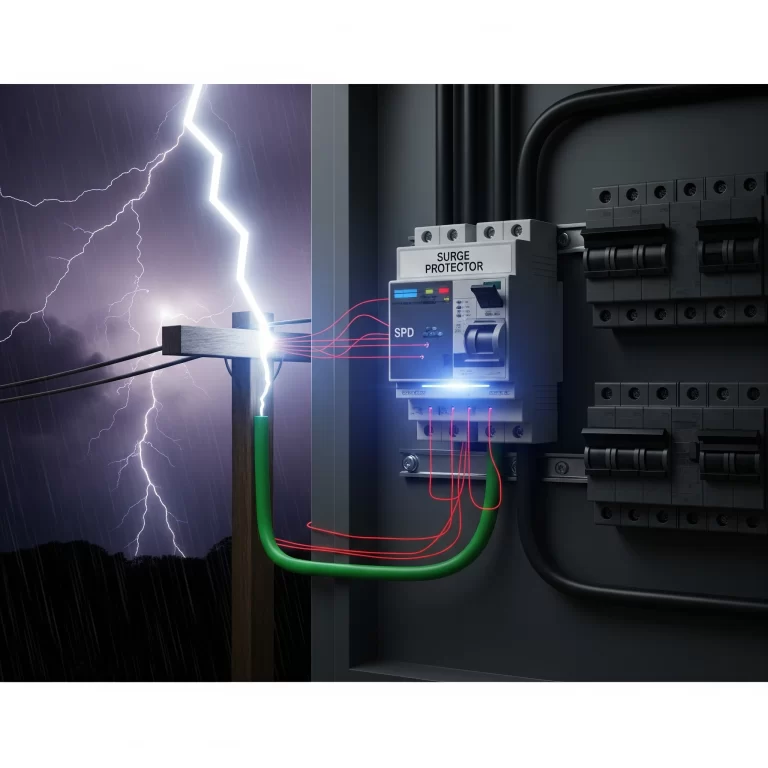
Power surges, also known as voltage spikes or transients, are brief overvoltage spikes that can occur in electrical systems. These surges can be caused by various factors, including lightning strikes, grid switching, and equipment malfunctions. Power surges can damage electrical equipment, cause data loss, and even lead to fires.
It is essential to understand the causes and effects of power surges to appreciate the importance of surge protection. By recognizing the risks associated with power surges, property owners can take proactive steps to mitigate these risks and protect their properties.
- Identify Potential Surge Sources
Identify potential sources of power surges, such as nearby lightning strikes, grid switching, and equipment malfunctions, to determine the level of surge protection required.
Surge Protection Devices
Surge protection devices (SPDs) are designed to protect electrical equipment from power surges. These devices can be installed at various points in an electrical system, including at the main electrical panel, at individual outlets, or at the equipment level. SPDs work by diverting or absorbing surge energy, preventing it from reaching sensitive equipment.
There are various types of SPDs available, including gas tube arresters, metal oxide varistors (MOVs), and transient voltage suppressors (TVSs). Each type of SPD has its advantages and disadvantages, and the selection of an SPD depends on the specific application and level of protection required.
Gas Tube Arresters
Gas tube arresters are high-energy surge protection devices that use a gas-filled tube to divert surge energy. They are often used in high-voltage applications and are known for their high surge capacity.
Recommended for: High-voltage applications, industrial settings.
Metal Oxide Varistors (MOVs)
Metal oxide varistors (MOVs) are surge protection devices that use a metal oxide material to absorb surge energy. They are often used in low-voltage applications and are known for their high surge absorption capacity.
Recommended for: Low-voltage applications, residential settings.
Transient Voltage Suppressors (TVSs)
Transient voltage suppressors (TVSs) are surge protection devices that use a semiconductor material to absorb surge energy. They are often used in high-frequency applications and are known for their fast response time.
Recommended for: High-frequency applications, telecommunications settings.
Implementing Surge Protection
Implementing surge protection requires a comprehensive approach that includes selecting the right surge protection devices, installing them correctly, and maintaining them regularly. Property owners should consult with a qualified electrician to determine the best surge protection strategy for their properties.
A well-designed surge protection system should include multiple layers of protection, including a primary surge protection device at the main electrical panel, secondary surge protection devices at individual outlets, and equipment-level surge protection devices. This layered approach provides comprehensive protection against power surges.
Primary Surge Protection
Type 1
Primary surge protection devices are installed at the main electrical panel and provide the first line of defense against power surges.
Secondary Surge Protection
Type 2
Secondary surge protection devices are installed at individual outlets and provide additional protection against power surges.
Equipment-Level Surge Protection
Type 3
Equipment-level surge protection devices are installed at the equipment level and provide protection against power surges for sensitive equipment.
Frequently Asked Questions
Protect Your Property From Lightning Damage
Contact ZOD today for a free site visit and lightning protection assessment.