Understanding Earthing System Importance
Discover how a proper earthing system can safeguard your residential, commercial, or industrial property in Lebanon from electrical hazards.
As a property owner in Lebanon, you are likely aware of the country’s high exposure to lightning strikes during thunderstorms. A significant concern for these properties is the risk of electrical shock or fire due to inadequate earthing systems. In fact, many properties in Lebanon are at risk due to outdated or improperly installed earthing systems.
The importance of a well-designed and properly installed earthing system cannot be overstated, as it plays a critical role in protecting people and property from the dangers of electrical shock and equipment damage. An earthing system is designed to provide a safe path to ground for electrical currents in the event of a fault or lightning strike, thus preventing damage to equipment and reducing the risk of injury or death.
In this article, you will learn about the basics of an earthing system, its components, and the benefits of having a properly installed earthing system for your property in Lebanon. You will also discover the different types of earthing systems available and how to maintain them to ensure they continue to provide effective protection against electrical hazards.
What Is An Earthing System
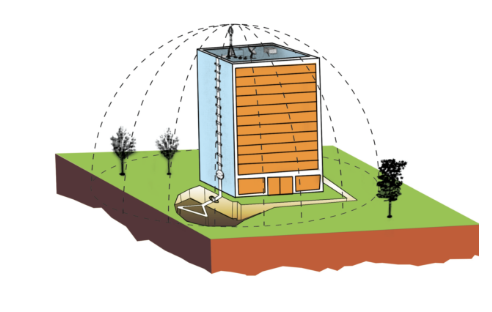
An earthing system, also known as a grounding system, is a network of conductors that provide a safe path to ground for electrical currents in the event of a fault or lightning strike. The primary purpose of an earthing system is to protect people and property from the dangers of electrical shock and equipment damage.
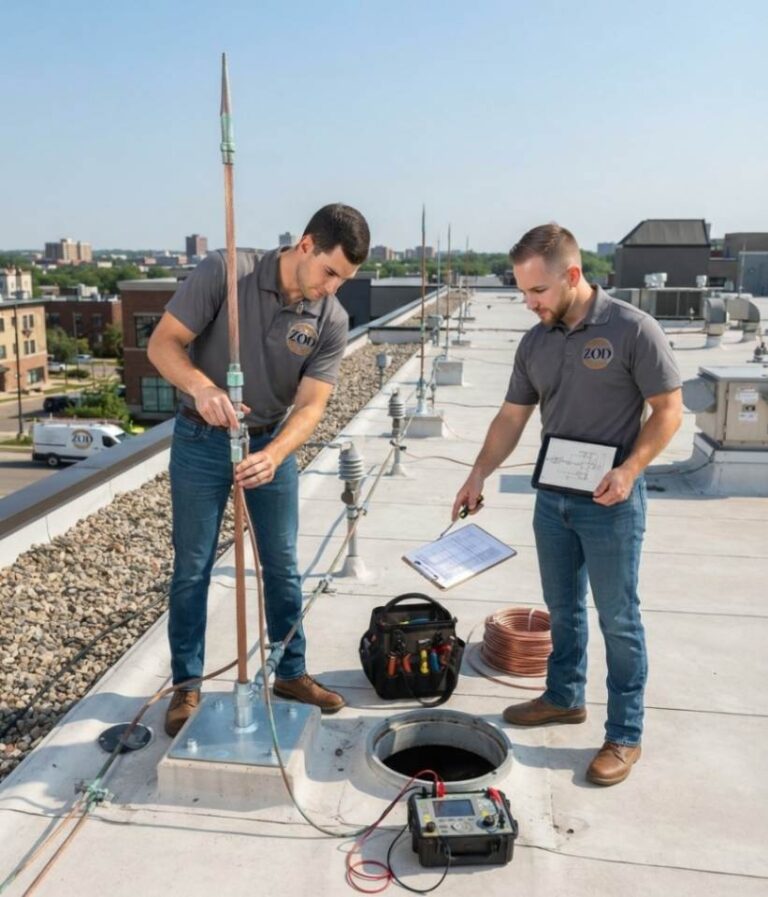
A typical earthing system consists of a main earthing point, which is connected to a network of earthing conductors that are buried in the ground. These conductors are usually made of copper or other conductive materials and are designed to provide a low-resistance path to ground for electrical currents.
- Earth electrodes: These are the points where the earthing system connects to the ground.
- Earthing conductors: These are the cables that connect the earth electrodes to the main earthing point.
- Main earthing point: This is the central point where all the earthing conductors are connected.
Components Of An Earthing System
The components of an earthing system are designed to work together to provide a safe and effective path to ground for electrical currents. The main components of an earthing system include earth electrodes, earthing conductors, and the main earthing point.
Earth Electrodes
These are the points where the earthing system connects to the ground. They are typically made of copper or other conductive materials and are designed to provide a low-resistance path to ground for electrical currents.
Recommended for: All properties in Lebanon.
Earthing Conductors
These are the cables that connect the earth electrodes to the main earthing point. They are usually made of copper or other conductive materials and are designed to provide a low-resistance path to ground for electrical currents.
Recommended for: Properties with multiple earth electrodes.
Main Earthing Point
This is the central point where all the earthing conductors are connected. It is typically located in a safe and accessible location, such as a electrical room or a designated earthing point.
Recommended for: All properties in Lebanon.
Benefits Of A Proper Earthing System
A proper earthing system provides several benefits, including protecting people and property from the dangers of electrical shock and equipment damage. It also helps to prevent power outages and equipment failure, which can result in significant financial losses.
In addition, a proper earthing system can help to reduce the risk of electrical fires, which can be devastating to properties and result in significant damage and loss of life.
Important Safety Tip
A proper earthing system is essential for protecting people and property from the dangers of electrical shock and equipment damage. It is recommended that all properties in Lebanon have a proper earthing system installed and maintained regularly.
Frequently Asked Questions
Protect Your Property From Lightning Damage
Contact ZOD today for a free site visit and lightning protection assessment.