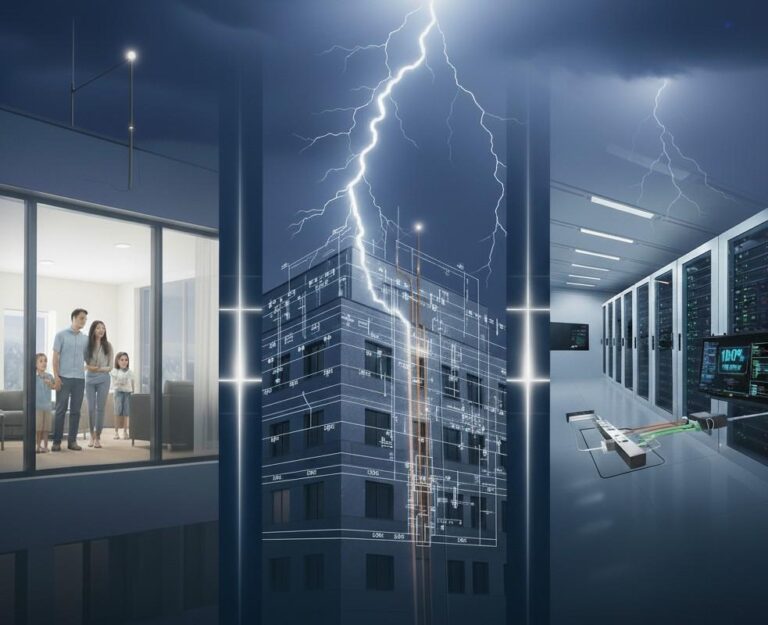
Understanding Lightning Conductor Systems
Protect your property from lightning damage with a properly installed lightning conductor system.
Lebanon experiences a significant number of lightning strikes every year, posing a threat to properties and lives. A lightning conductor, also known as a lightning rod, is a crucial component of a lightning protection system. It is designed to attract lightning and direct it harmlessly into the ground, thereby protecting buildings and their occupants from the dangers of lightning strikes.
The importance of lightning conductor systems cannot be overstated, particularly in a country like Lebanon where thunderstorms are common. Without a properly installed lightning protection system, properties are at risk of damage from lightning strikes, which can result in significant financial losses and even loss of life. Furthermore, lightning conductor systems are essential for ensuring the safety of electrical and electronic equipment, which can be damaged or destroyed by power surges caused by lightning strikes.
In this article, we will delve into the world of lightning conductor systems, exploring their components, how they work, and their importance in protecting properties from lightning damage. By the end of this article, readers will have a comprehensive understanding of lightning conductor systems and how they can be used to safeguard properties in Lebanon.
How Lightning Conductor Systems Work
A lightning conductor system typically consists of a lightning rod, a down conductor, and a grounding system. The lightning rod is the component that attracts lightning, while the down conductor directs the electrical discharge from the lightning rod to the grounding system. The grounding system is responsible for dissipating the electrical discharge harmlessly into the ground.
The process of attracting and directing lightning is based on the principle of electrostatic attraction. When a lightning storm approaches, the lightning rod becomes electrified, attracting the lightning bolt. The down conductor then directs the electrical discharge to the grounding system, which dissipates it into the ground, thereby protecting the property from damage.
- Step 1: Lightning Strike
A lightning bolt strikes the lightning rod, which is designed to attract the electrical discharge.
- Step 2: Direction of Electrical Discharge
The down conductor directs the electrical discharge from the lightning rod to the grounding system.
- Step 3: Grounding
The grounding system dissipates the electrical discharge harmlessly into the ground, protecting the property from damage.
Components of a Lightning Conductor System
A lightning conductor system consists of several components, each playing a crucial role in protecting properties from lightning damage. These components include the lightning rod, down conductor, grounding system, and surge protector.
The lightning rod is the most visible component of a lightning conductor system, and it is responsible for attracting lightning. The down conductor is a cable that directs the electrical discharge from the lightning rod to the grounding system. The grounding system is a network of cables and rods that dissipate the electrical discharge harmlessly into the ground.
Lightning Rod
The lightning rod is the component that attracts lightning, directing it to the down conductor.
Recommended for: All properties in lightning-prone areas.
Down Conductor
The down conductor directs the electrical discharge from the lightning rod to the grounding system.
Recommended for: Properties with multiple stories or complex architectures.
Grounding System
The grounding system dissipates the electrical discharge harmlessly into the ground.
Recommended for: All properties, particularly those in areas with high soil resistivity.
Maintenance and Inspection of Lightning Conductor Systems
Regular maintenance and inspection of lightning conductor systems are crucial to ensuring their effectiveness in protecting properties from lightning damage. This includes checking the lightning rod, down conductor, and grounding system for damage or wear and tear.
Property owners should also ensure that their lightning conductor systems are inspected and certified by a qualified technician at least once a year. This will help identify any potential issues or defects in the system, which can be addressed before they become major problems.
Annual Inspection
Have your lightning conductor system inspected and certified by a qualified technician at least once a year.
Regular Maintenance
Check the lightning rod, down conductor, and grounding system for damage or wear and tear, and address any issues promptly.
Testing and Certification
Have your lightning conductor system tested and certified by a qualified technician to ensure its effectiveness in protecting your property.
Frequently Asked Questions
Protect Your Property From Lightning Damage
Contact ZOD today for a free site visit and lightning protection assessment.