Understanding Lightning Arrester Importance
Discover the crucial role of lightning arrester in safeguarding residential, commercial, and industrial properties in Lebanon from devastating lightning strikes.
Lightning strikes are a common occurrence in Lebanon, posing a significant threat to properties and human life. A single lightning strike can cause massive damage to buildings, resulting in costly repairs and even loss of life. This is where a lightning arrester comes into play, serving as a vital component in protecting properties from the destructive effects of lightning.
The importance of lightning arrester cannot be overstated, particularly in a country like Lebanon where lightning strikes are frequent. By installing a lightning arrester, property owners can significantly reduce the risk of damage to their buildings and ensure the safety of occupants. This is especially critical for commercial and industrial properties, where a lightning strike can result in significant financial losses and disruption of operations.
In this article, we will delve into the world of lightning arrester, exploring its functions, benefits, and importance in protecting properties from lightning strikes. We will also discuss the different types of lightning arresters available, their installation, and maintenance requirements, providing readers with a comprehensive understanding of this critical component.
How Lightning Arrester Works
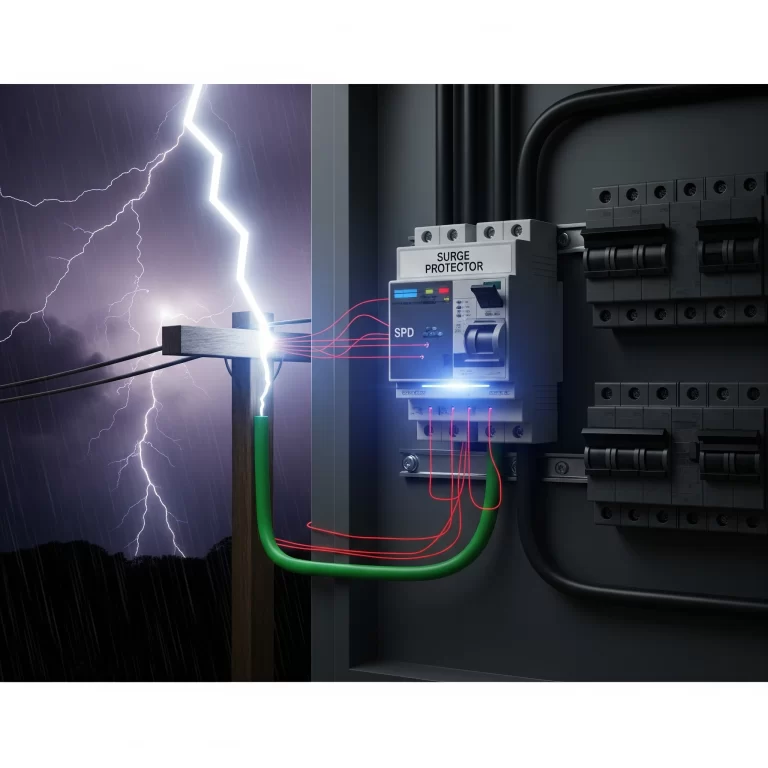
A lightning arrester is a device designed to protect electrical systems and equipment from the destructive effects of lightning strikes. It works by diverting the electrical discharge from a lightning strike away from the protected equipment, thereby preventing damage. The arrester is typically installed between the electrical system and the ground, providing a safe path for the electrical discharge to follow.
The lightning arrester is designed to withstand the high voltage and current associated with a lightning strike, ensuring that the protected equipment remains safe. The arrester is usually made up of a series of components, including a spark gap, a valve, and a resistor, which work together to divert the electrical discharge.
- Spark Gap
The spark gap is the component that initiates the diversion of the electrical discharge. When a lightning strike occurs, the spark gap breaks down, creating a conductive path for the discharge to follow.
- Valve
The valve is responsible for controlling the flow of the electrical discharge. It ensures that the discharge is diverted away from the protected equipment, preventing damage.
- Resistor
The resistor is used to limit the current flowing through the arrester, preventing damage to the device and ensuring that it can withstand the high voltage and current associated with a lightning strike.
Types Of Lightning Arresters
There are several types of lightning arresters available, each designed to provide protection for specific types of electrical systems and equipment. The most common types of lightning arresters include:
Station Class Arrester
This type of arrester is designed for use in high-voltage electrical systems, providing protection for substations and transmission lines.
Recommended for: High-voltage electrical systems
Line Class Arrester
This type of arrester is designed for use in medium-voltage electrical systems, providing protection for distribution lines and transformers.
Recommended for: Medium-voltage electrical systems
Residential Arrester
This type of arrester is designed for use in residential electrical systems, providing protection for homes and small commercial buildings.
Recommended for: Residential electrical systems
Maintenance And Inspection
Regular maintenance and inspection of lightning arresters are critical to ensuring their effectiveness in protecting electrical systems and equipment from lightning strikes. The following maintenance tasks should be performed:
- Visual inspection of the arrester for signs of damage or wear
- Checking the arrester’s electrical connections for looseness or corrosion
- Testing the arrester’s operation to ensure it is functioning correctly
Important Safety Note
Only trained and certified technicians should perform maintenance and inspection tasks on lightning arresters, as improper handling can result in serious injury or death.
Frequently Asked Questions
Protect Your Property From Lightning Damage
Contact ZOD today for a free site visit and lightning protection assessment.