Lightning Arrester Protection For Your Property
Understanding the importance of lightning arrester systems in safeguarding your residential, commercial, or industrial property in Lebanon.
Lightning strikes are a common occurrence in Lebanon, posing a significant threat to properties and lives. A lightning arrester is a critical component of a lightning protection system, designed to protect buildings from the destructive effects of lightning.
The frequency and intensity of lightning strikes in Lebanon make it essential for property owners to invest in a reliable lightning protection system. This includes a lightning arrester, which plays a vital role in preventing damage to structures and electrical systems.
In this article, you will learn about the functions and benefits of a lightning arrester, how it works, and why it is crucial for protecting your property from lightning damage and power surges.
What Is A Lightning Arrester?
A lightning arrester is a device that protects electrical systems from power surges and voltage spikes caused by lightning strikes. It is an essential component of a lightning protection system, working in conjunction with other devices to prevent damage to buildings and electrical infrastructure.
The primary function of a lightning arrester is to divert the electrical discharge from a lightning strike away from the building and its electrical systems, thereby preventing damage and ensuring the safety of occupants.
Lightning Arrester Types
There are different types of lightning arresters available, including spark gap arresters, valve-type arresters, and metal oxide arresters. Each type has its own unique characteristics and applications.
Recommended for: Residential, commercial, and industrial properties.
Arrester Components
A lightning arrester typically consists of a spark gap, a valve, and a resistor. These components work together to detect and divert the electrical discharge from a lightning strike.
Recommended for: Properties with complex electrical systems.
Arrester Maintenance
Regular maintenance is essential to ensure the proper functioning of a lightning arrester. This includes inspecting the device for damage, cleaning the spark gap, and replacing worn-out components.
Recommended for: Properties with high lightning strike risk.
How Does A Lightning Arrester Work?
A lightning arrester works by detecting the electrical discharge from a lightning strike and diverting it away from the building and its electrical systems. The device is designed to respond quickly to the rapid voltage increase caused by a lightning strike, thereby preventing damage to the electrical infrastructure.
The lightning arrester is typically installed between the electrical service entrance and the main electrical panel. It is connected to a grounding system, which provides a safe path for the electrical discharge to follow.
- Step 1: Detection
The lightning arrester detects the electrical discharge from a lightning strike, which causes a rapid voltage increase in the electrical system.
- Step 2: Diversion
The lightning arrester diverts the electrical discharge away from the building and its electrical systems, thereby preventing damage.
- Step 3: Grounding
The diverted electrical discharge is then safely grounded, providing a path for the electrical current to follow.
Importance Of Lightning Arrester Testing
Regular testing of a lightning arrester is crucial to ensure its proper functioning and effectiveness. The testing process involves inspecting the device for damage, checking the spark gap for proper alignment, and verifying the resistor value.
Failure to test a lightning arrester can result in catastrophic damage to the electrical system and pose a significant risk to human life.
Scheduled Maintenance
Regular maintenance should be performed annually, or as recommended by the manufacturer.
Visual Inspection
A visual inspection should be performed every 6 months to check for signs of wear or damage.
Lightning Strike Inspection
After a lightning strike, the lightning arrester should be inspected for damage and tested to ensure proper functioning.
Lightning Protection System Components
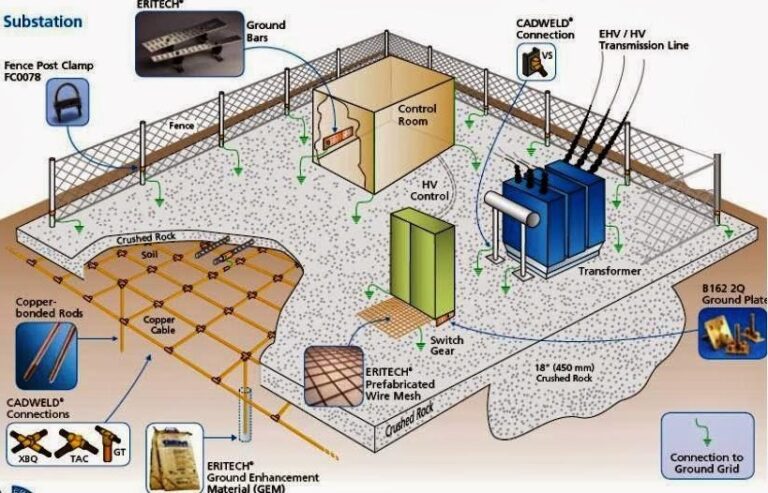
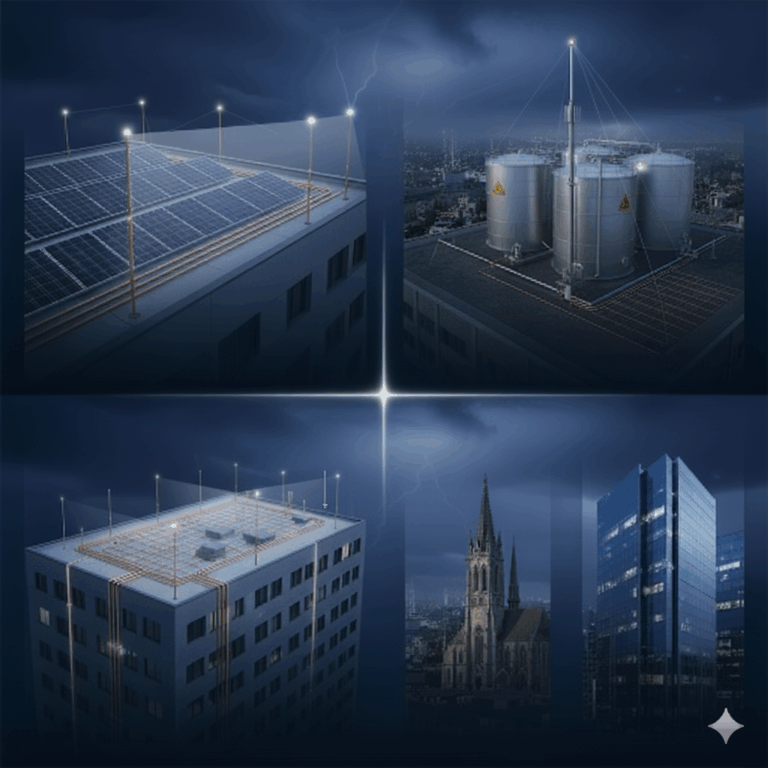
A lightning protection system consists of several components, including a lightning rod, a down conductor, and a grounding system. The lightning arrester is an essential component of this system, working in conjunction with the other devices to prevent damage from lightning strikes.
The lightning rod is designed to attract the lightning strike, while the down conductor provides a path for the electrical discharge to follow. The grounding system provides a safe path for the electrical current to flow, thereby preventing damage to the building and its electrical systems.
Lightning Rod
Primary Protection
The lightning rod is the first line of defense against lightning strikes, attracting the electrical discharge and directing it away from the building.
Down Conductor
Secondary Protection
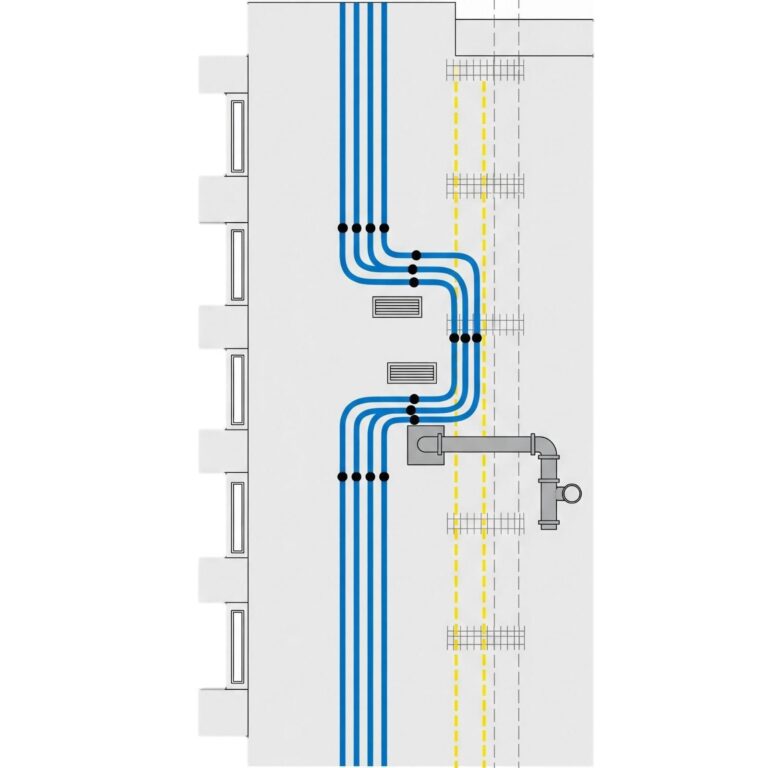
The down conductor provides a path for the electrical discharge to follow, directing it away from the building and its electrical systems.
Grounding System
Tertiary Protection
The grounding system provides a safe path for the electrical current to flow, preventing damage to the building and its electrical systems.
Frequently Asked Questions
Protect Your Property From Lightning Damage
Contact ZOD today for a free site visit and lightning protection assessment.