Lightning Strikes Lebanon: A Threat To Property Owners
Understanding the risks and consequences of lightning damage to properties in Lebanon.
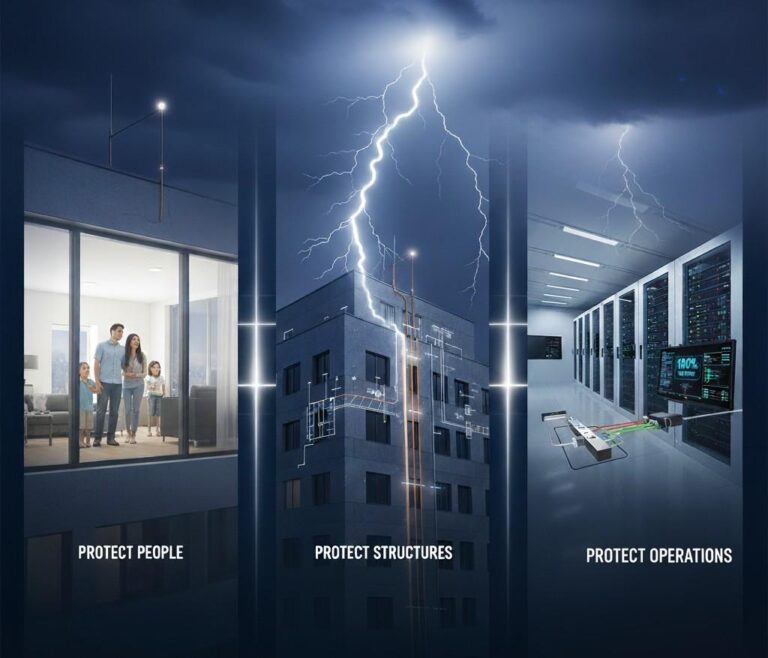
Lightning strikes are a significant threat to property owners in Lebanon, causing damage to buildings, injuring people, and disrupting daily life. The country’s geography, with its mountainous terrain and coastal areas, makes it prone to lightning strikes. Lightning strikes Lebanon frequently, and it is essential for property owners to take necessary precautions to protect their properties.
The consequences of lightning strikes can be devastating, resulting in financial losses, damage to property, and even loss of life. In Lebanon, lightning strikes can occur at any time, and it is crucial for property owners to be prepared and take proactive measures to mitigate the risks. By understanding the causes and effects of lightning strikes, property owners can take steps to protect their properties and ensure the safety of their occupants.
In this article, we will discuss the risks and consequences of lightning strikes in Lebanon, and provide guidance on how to protect properties from lightning damage. We will cover topics such as the importance of lightning protection systems, earthing and grounding systems, and surge protection devices. By the end of this article, readers will have a comprehensive understanding of the measures they can take to safeguard their properties against lightning strikes.
Understanding Lightning Strikes
Lightning strikes are a natural phenomenon that occurs during thunderstorms. When a lightning bolt strikes a property, it can cause significant damage to the building and its occupants. The strike can result in a power surge, which can damage electrical equipment and appliances, and even cause fires.
In Lebanon, lightning strikes are more frequent during the summer months, when thunderstorms are more common. However, lightning can strike at any time, and property owners should be prepared to face the risks. By understanding the causes and effects of lightning strikes, property owners can take proactive measures to mitigate the risks and protect their properties.
- Step 1: Assess the Risk
Property owners should assess the risk of lightning strikes to their properties. This can be done by consulting with experts and conducting a thorough analysis of the property’s location and surroundings.
Lightning Protection Systems
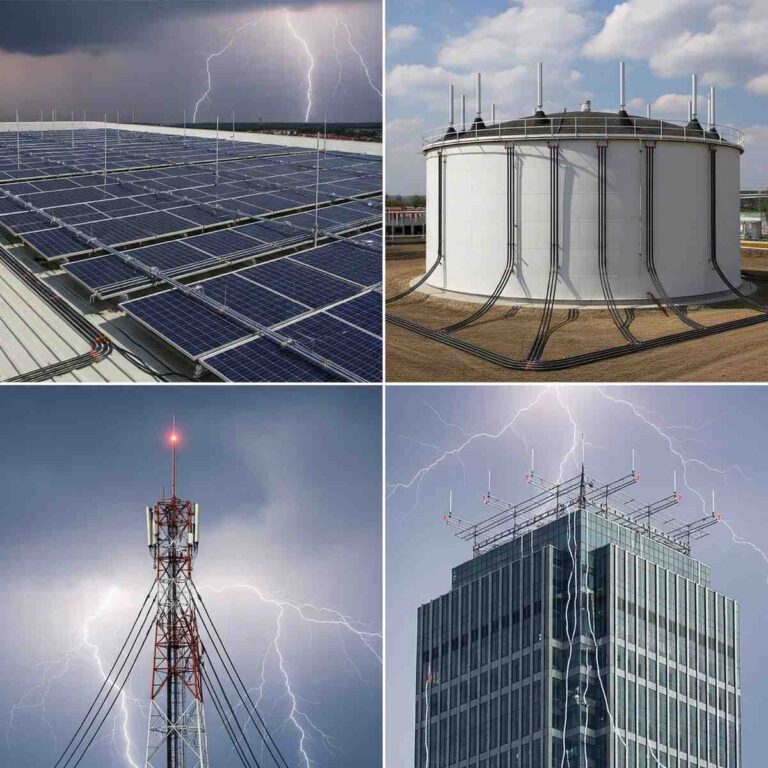
Lightning protection systems are designed to protect properties from lightning strikes. These systems typically consist of a lightning rod, a down conductor, and a grounding system. The lightning rod attracts the lightning bolt and directs it to the ground, where it is safely dissipated.
In Lebanon, lightning protection systems are essential for properties that are located in areas prone to lightning strikes. By installing a lightning protection system, property owners can significantly reduce the risk of damage to their properties and ensure the safety of their occupants.
Lightning Rods
Lightning rods are designed to attract lightning bolts and direct them to the ground. They are typically installed on the roof of a building and are connected to a down conductor.
Recommended for: Properties located in areas prone to lightning strikes.
Down Conductors
Down conductors are designed to direct the lightning bolt from the lightning rod to the ground. They are typically installed on the side of a building and are connected to a grounding system.
Recommended for: Properties with multiple stories.
Grounding Systems
Grounding systems are designed to safely dissipate the lightning bolt to the ground. They are typically installed in the ground and are connected to a down conductor.
Recommended for: Properties located in areas with high soil resistivity.
Earthing and Grounding Systems
Earthing and grounding systems are essential for protecting properties from lightning strikes. These systems are designed to safely dissipate the lightning bolt to the ground and prevent damage to the property and its occupants.
In Lebanon, earthing and grounding systems are required for all properties, including residential, commercial, and industrial buildings. By installing an earthing and grounding system, property owners can ensure the safety of their occupants and protect their properties from lightning damage.
Earthing Systems
Type 1: Essential
Earthing systems are designed to safely dissipate the lightning bolt to the ground. They are typically installed in the ground and are connected to a down conductor.
Grounding Systems
Type 2: Primary
Grounding systems are designed to direct the lightning bolt from the lightning rod to the ground. They are typically installed on the side of a building and are connected to an earthing system.
Surge Protection Systems
Type 3: Secondary
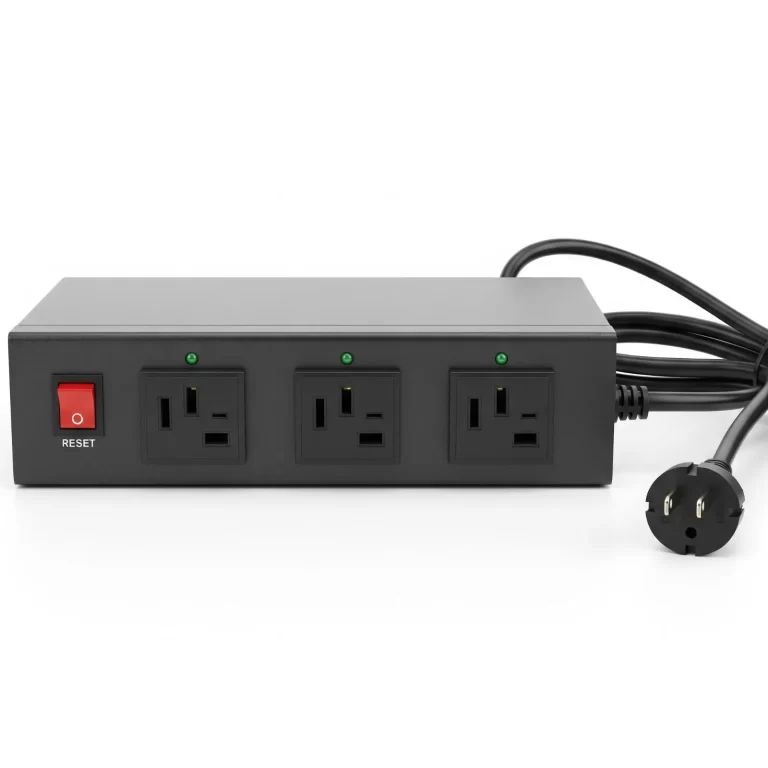
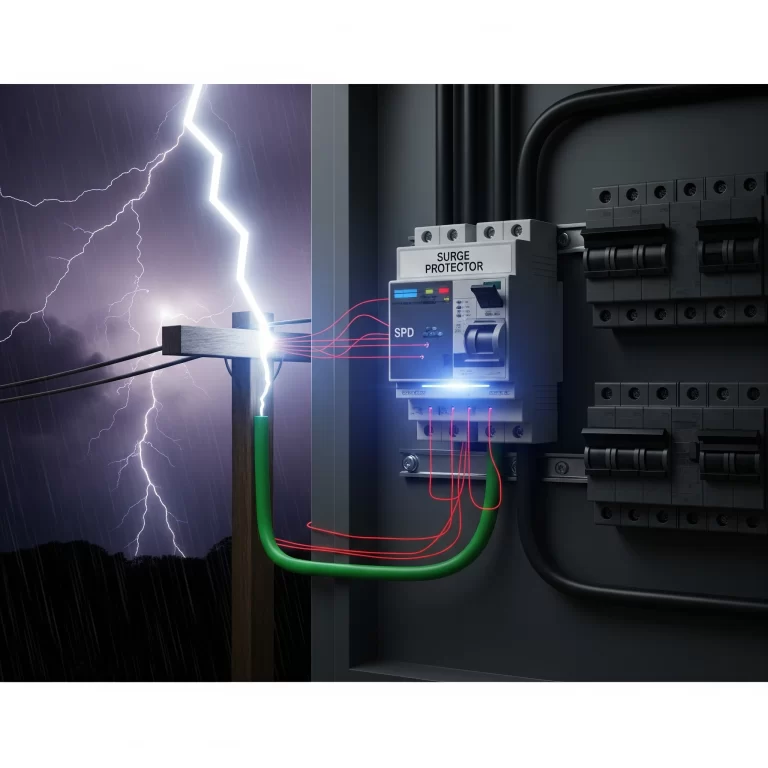
Surge protection systems are designed to protect electrical equipment and appliances from power surges caused by lightning strikes. They are typically installed in the electrical panel and are connected to a grounding system.
Maintenance and Inspection
Regular maintenance and inspection of lightning protection systems are essential for ensuring their effectiveness. Property owners should inspect their lightning protection systems annually and perform maintenance tasks as needed.
In Lebanon, property owners can hire certified technicians to inspect and maintain their lightning protection systems. By hiring a certified technician, property owners can ensure that their lightning protection systems are functioning properly and are providing adequate protection against lightning strikes.
Annual Inspection
Property owners should inspect their lightning protection systems annually to ensure they are functioning properly.
Maintenance Tasks
Property owners should perform maintenance tasks as needed to ensure their lightning protection systems are functioning properly.
Emergency Response
Property owners should have a plan in place for emergency response in case of a lightning strike.
Frequently Asked Questions
Protect Your Property From Lightning Damage
Contact ZOD today for a free site visit and lightning protection assessment.