Understanding Lightning Arrester Systems

Protect your property from the devastating effects of lightning strikes with a reliable lightning arrester system.

Lightning strikes can be catastrophic, causing significant damage to properties and posing a risk to human life. In Lebanon, where thunderstorms are common, it is essential for property owners to take necessary precautions to protect their buildings from lightning damage. One crucial component of a comprehensive lightning protection system is the lightning arrester.

The importance of lightning arrester systems cannot be overstated, as they play a critical role in preventing lightning-related damage to properties. By understanding how lightning arrester systems work and their benefits, property owners can make informed decisions about protecting their investments.

In this article, we will delve into the world of lightning arrester systems, exploring their functionality, types, and installation requirements. We will also discuss the importance of regular maintenance and inspection to ensure the system’s effectiveness in safeguarding properties against lightning strikes.

How Lightning Arrester Systems Work

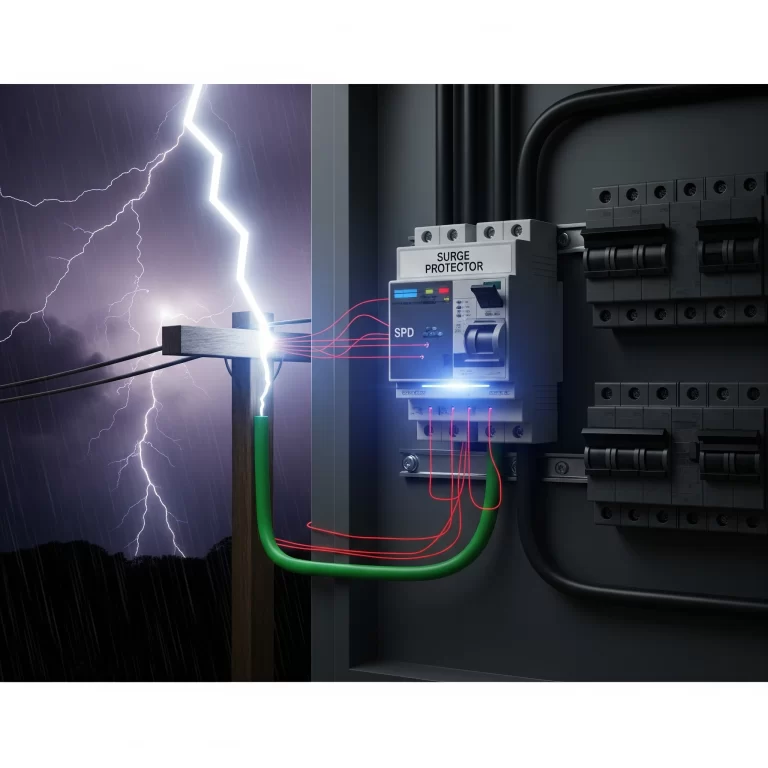
A lightning arrester is a device designed to protect electrical systems from voltage surges caused by lightning strikes. It works by diverting the surge to the ground, thereby preventing damage to the electrical system and connected equipment.

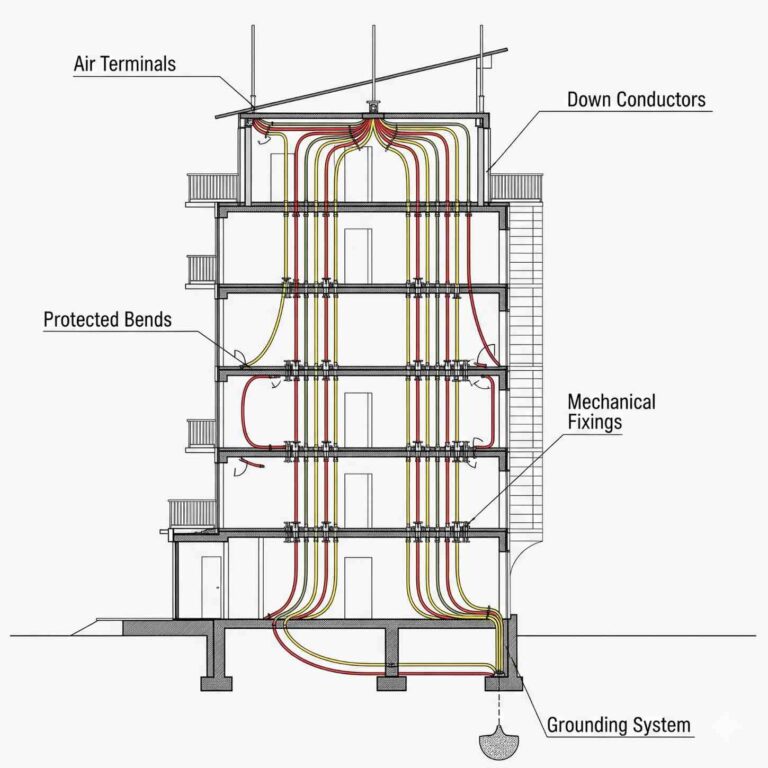
The lightning arrester is typically installed between the electrical service entrance and the main electrical panel. It is usually connected to a grounding system, which provides a path to the ground for the surge current.

  • Step 1: Lightning Strike Detection

    The lightning arrester detects the approaching lightning strike and prepares to divert the surge.

  • Step 2: Surge Diversion

    The lightning arrester diverts the surge to the grounding system, preventing damage to the electrical system.

  • Step 3: System Reset

    After the surge has been diverted, the lightning arrester resets, ready to detect and respond to future lightning strikes.

Types of Lightning Arrester Systems

There are several types of lightning arrester systems available, each with its own unique characteristics and applications. The most common types include:

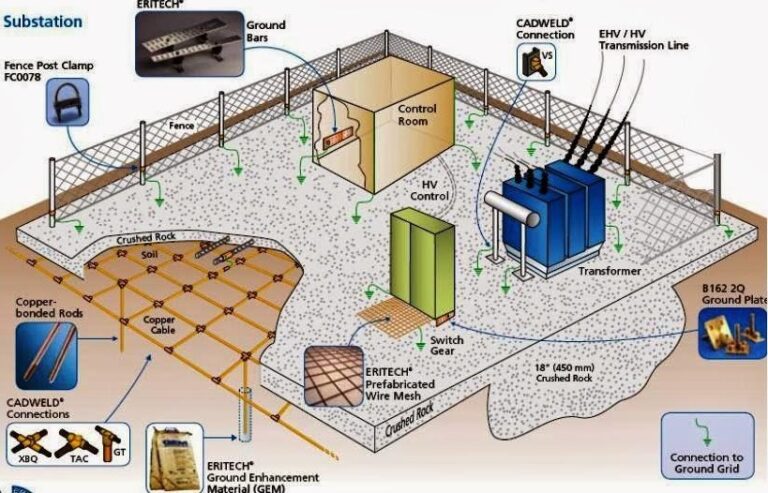
Station-Type Lightning Arrester

This type of arrester is designed for high-voltage applications and is typically used in industrial and commercial settings.

Recommended for: High-voltage systems

Residential Lightning Arrester

This type of arrester is designed for residential applications and is typically used in single-family homes and apartments.

Recommended for: Residential properties

Industrial Lightning Arrester

This type of arrester is designed for heavy-duty industrial applications and is typically used in manufacturing and processing facilities.

Recommended for: Industrial properties

Installation and Maintenance Requirements

Proper installation and maintenance of lightning arrester systems are crucial to ensure their effectiveness in protecting properties from lightning damage. The installation process typically involves:

Site Assessment

A thorough site assessment is conducted to determine the lightning protection requirements of the property.

System Design

A customized lightning protection system is designed and installed, taking into account the property’s unique characteristics and requirements.

Regular Inspections

Regular inspections are conducted to ensure the system is functioning properly and to identify any potential issues or maintenance requirements.

Frequently Asked Questions

What is a lightning arrester and how does it work?
A lightning arrester is a device designed to protect electrical systems from voltage surges caused by lightning strikes. It works by diverting the surge to the ground, thereby preventing damage to the electrical system and connected equipment.

What types of properties can benefit from lightning arrester systems?
All types of properties, including residential, commercial, and industrial, can benefit from lightning arrester systems. The type of system required will depend on the property’s unique characteristics and requirements.

How often should lightning arrester systems be inspected and maintained?
Lightning arrester systems should be inspected and maintained regularly, ideally every 12 months, to ensure they are functioning properly and to identify any potential issues or maintenance requirements.

Can lightning arrester systems be installed on existing properties?
Yes, lightning arrester systems can be installed on existing properties. The installation process will depend on the property’s unique characteristics and requirements.

What are the benefits of installing a lightning arrester system?
The benefits of installing a lightning arrester system include protection of electrical systems and connected equipment, reduced risk of property damage, and improved safety for occupants.

Protect Your Property From Lightning Damage

Contact ZOD today for a free site visit and lightning protection assessment.
Get a Free Assessment

Similar Posts

  • Lightning Experts Protect Your Property

    Lightning Experts Protect Your Property Discover the importance of professional lightning protection for residential, commercial, and industrial properties in Lebanon. Lightning strikes can be devastating to properties in Lebanon, causing significant damage and even loss of life. As a property owner, it is essential to take proactive measures to protect your investment and ensure the…

  • Security Systems For Home Protection

    Security Systems For Home Protection Learn how to safeguard your residential property from lightning strikes and power surges in Lebanon. Lebanon experiences a significant number of lightning strikes every year, posing a risk to homes and businesses. As a property owner, it is crucial to consider the importance of security systems for home protection. A…

  • Understanding Lightning Protection System

    Understanding Lightning Protection System A crucial investment for property owners in Lebanon to prevent damage from lightning strikes. Lebanon experiences a significant number of lightning strikes every year, posing a threat to properties and human life. Lightning strikes can cause massive damage to buildings, resulting in costly repairs and even loss of life. It is…

  • | |

    Why Every Building in Lebanon Needs Lightning Protection

    Why Every Building in Lebanon Needs Lightning Protection – ZOD Lightning Why Every Building in Lebanon Needs Lightning Protection Comprehensive Guide to Lightning Protection for Lebanese Buildings Lebanon experiences 20 to 30 thunderstorm days annually, with peak activity during spring and autumn. The country’s geography makes it particularly vulnerable: Mountainous terrain: Mount Lebanon and the…

  • Lightning Protection System

    Lightning Protection System Understanding the importance of safeguarding your property from lightning damage in Lebanon. Lebanon experiences a significant number of lightning strikes every year, posing a threat to properties and lives. A lightning protection system is essential to mitigate this risk. The system is designed to protect buildings from lightning strikes by providing a…

  • Lightning Protection Lebanon: Safeguarding Your Property

    Lightning Protection Lebanon: Safeguarding Your Property Learn how to protect your property from lightning damage and ensure the safety of your loved ones and assets in Lebanon. Lightning strikes can cause significant damage to properties in Lebanon, resulting in financial losses and posing a risk to human life. It is essential for property owners to…

Leave a Reply

Your email address will not be published. Required fields are marked *