Protecting Your Property From Lightning Strikes
Understanding the importance of a reliable lightning protection system for residential, commercial, and industrial properties in Lebanon.
Lightning strikes can cause significant damage to properties, resulting in costly repairs and even loss of life. In Lebanon, where thunderstorms are common, it is crucial for property owners to take necessary precautions to protect their assets. A lightning protection system is an essential investment for any property, as it can prevent damage from lightning strikes and ensure the safety of occupants.
The importance of a lightning protection system cannot be overstated. Without one, a property is vulnerable to the devastating effects of a lightning strike, which can include fires, explosions, and power outages. Furthermore, a lightning protection system can also protect against power surges and electrical shocks, providing an added layer of safety for property owners and their occupants.
In this article, we will discuss the key components of a lightning protection system, how it works, and the benefits of installing one. We will also explore the different types of lightning protection systems available and provide guidance on how to choose the right one for your property.
How Lightning Protection Systems Work
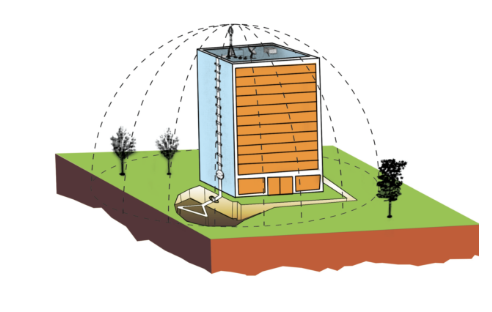
A lightning protection system is designed to protect a property from lightning strikes by providing a safe path for the electrical discharge to follow. The system typically consists of a network of conductors, including air terminals, down conductors, and ground electrodes, which work together to direct the lightning strike harmlessly into the ground.
The air terminals, also known as lightning rods, are installed on the roof of the property and are designed to attract the lightning strike. The down conductors then carry the electrical discharge from the air terminals to the ground electrodes, which are buried in the ground and provide a safe path for the discharge to follow.
Regular Maintenance
Regular maintenance is essential to ensure the lightning protection system is functioning correctly. This includes inspecting the system for damage, cleaning the air terminals and down conductors, and testing the ground electrodes.
System Inspection
A thorough inspection of the lightning protection system should be carried out annually to ensure it is functioning correctly. This includes checking the air terminals, down conductors, and ground electrodes for damage or corrosion.
Performance Testing
The lightning protection system should be tested regularly to ensure it is functioning correctly. This includes testing the ground electrodes to ensure they are providing a safe path for the electrical discharge to follow.
Components Of A Lightning Protection System
A lightning protection system typically consists of several key components, including air terminals, down conductors, and ground electrodes. The air terminals are installed on the roof of the property and are designed to attract the lightning strike. The down conductors then carry the electrical discharge from the air terminals to the ground electrodes, which are buried in the ground and provide a safe path for the discharge to follow.
In addition to these components, a lightning protection system may also include surge protectors and arresters, which are designed to protect against power surges and electrical shocks. These devices are typically installed at the electrical panel and work by diverting the surge or shock to ground, preventing damage to the property’s electrical system.
- Air Terminals
Air terminals, also known as lightning rods, are installed on the roof of the property and are designed to attract the lightning strike.
- Down Conductors
Down conductors carry the electrical discharge from the air terminals to the ground electrodes, providing a safe path for the discharge to follow.
- Ground Electrodes
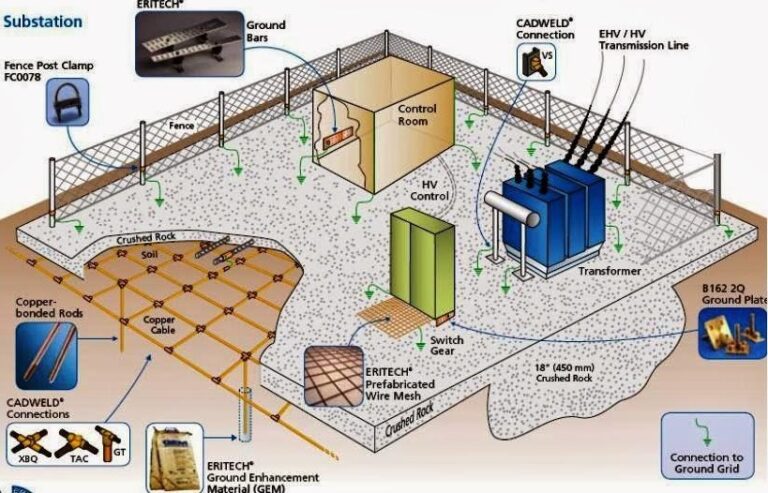
Ground electrodes are buried in the ground and provide a safe path for the electrical discharge to follow, directing it harmlessly into the earth.
Types Of Lightning Protection Systems
There are several types of lightning protection systems available, each designed to provide a specific level of protection. The most common types of lightning protection systems include external, internal, and hybrid systems. External systems are installed on the exterior of the property, while internal systems are installed inside the property. Hybrid systems combine elements of both external and internal systems, providing a comprehensive level of protection.
The choice of lightning protection system will depend on several factors, including the size and type of property, the level of risk, and the budget. It is essential to consult with a qualified engineer or lightning protection specialist to determine the most suitable system for your property.
External Systems
Type 1
External systems are installed on the exterior of the property and provide a high level of protection against lightning strikes.
Internal Systems
Type 2
Internal systems are installed inside the property and provide a moderate level of protection against lightning strikes.
Hybrid Systems
Type 3
Hybrid systems combine elements of both external and internal systems, providing a comprehensive level of protection against lightning strikes.
Frequently Asked Questions
Protect Your Property From Lightning Damage
Contact ZOD today for a free site visit and lightning protection assessment.