Surge Protective Device Safety
Understanding the importance of surge protective devices in safeguarding your property in Lebanon.
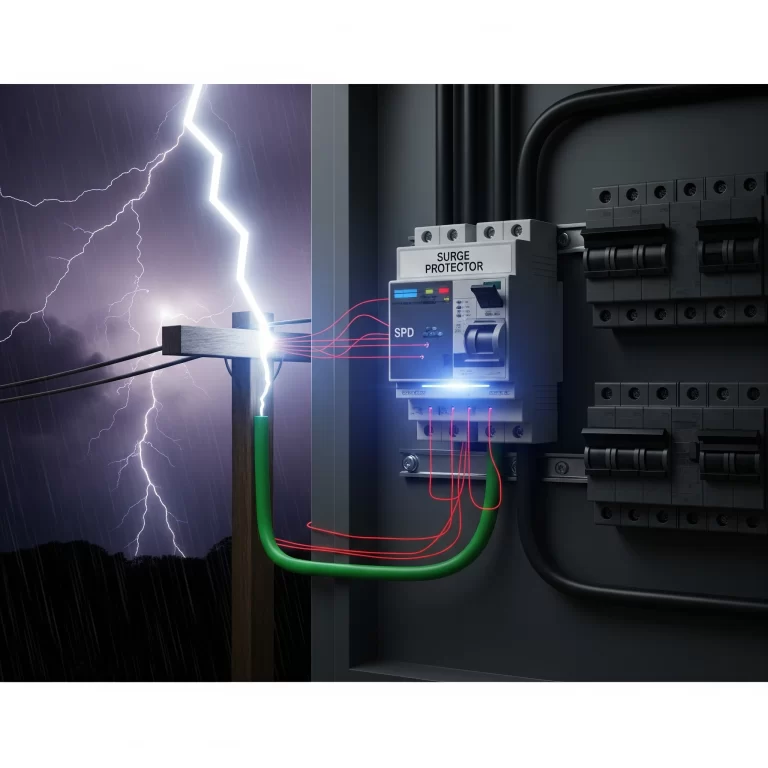
Power surges can occur at any time, causing significant damage to electrical equipment and posing a risk to people’s safety. In Lebanon, where thunderstorms are common, the risk of power surges is higher. A surge protective device can help mitigate this risk by absorbing or diverting the excess energy.
The topic of surge protective devices is crucial for property owners in Lebanon, as it directly affects the safety and longevity of their electrical systems. By understanding how surge protective devices work and how to install them, property owners can take proactive steps to protect their investments.
In this article, we will delve into the world of surge protective devices, exploring their types, functions, and benefits. We will also discuss the importance of proper installation, maintenance, and inspection to ensure the device operates effectively.
What Is A Surge Protective Device
A surge protective device is an electrical device designed to protect equipment from voltage spikes or surges. It works by absorbing or diverting the excess energy, thereby preventing damage to the equipment.
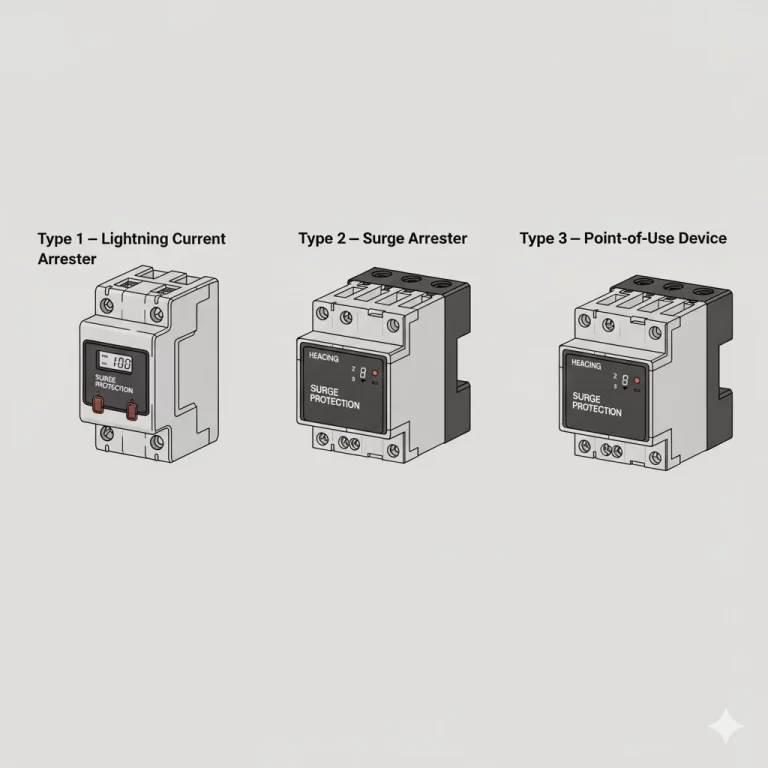
There are different types of surge protective devices available, including surge arresters, surge protectors, and transient voltage surge suppressors. Each type has its unique characteristics and applications, and selecting the right one depends on the specific needs of the property.
Surge Arrester
A surge arrester is a type of surge protective device that absorbs excess energy. It is commonly used in outdoor applications, such as on power lines and substations.
Recommended for: Outdoor use, high-voltage applications
Surge Protector
A surge protector is a type of surge protective device that diverts excess energy. It is commonly used in indoor applications, such as on electrical panels and equipment.
Recommended for: Indoor use, low-voltage applications
Transient Voltage Surge Suppressor
A transient voltage surge suppressor is a type of surge protective device that absorbs excess energy. It is commonly used in applications where high-frequency transients are present, such as in industrial settings.
Recommended for: Industrial use, high-frequency applications
Installation And Maintenance
Proper installation and maintenance of surge protective devices are crucial to ensure their effectiveness. The device should be installed by a qualified electrician, and regular inspections should be performed to ensure it is functioning correctly.
Regular maintenance tasks include checking the device for signs of wear and tear, ensuring it is properly grounded, and verifying its electrical connections. By performing these tasks, property owners can help extend the lifespan of their surge protective device and ensure it continues to provide reliable protection.
- Step 1: Inspect the device
Check the device for signs of wear and tear, such as cracks or corrosion.
- Step 2: Verify electrical connections
Ensure the device is properly connected to the electrical panel and equipment.
- Step 3: Check grounding
Verify the device is properly grounded to ensure safe and effective operation.
Common Myths And Misconceptions
There are several common myths and misconceptions surrounding surge protective devices. One of the most common is that a surge protector is the same as a power strip. While both devices may look similar, they serve different purposes and offer different levels of protection.
A surge protector is the same as a power strip.
FACT
A surge protector is a device specifically designed to protect equipment from voltage spikes, while a power strip is a device designed to provide multiple outlets for powering equipment.
Important Insight
Using a power strip as a substitute for a surge protector can leave your equipment vulnerable to damage from power surges. Always use a dedicated surge protective device to ensure reliable protection.
System Layers And Protection Levels
A comprehensive surge protection system typically consists of multiple layers, each providing a different level of protection. The primary layer is the external protection layer, which includes devices such as surge arresters and lightning rods. The secondary layer is the internal protection layer, which includes devices such as surge protectors and transient voltage surge suppressors.
External Protection Layer
Primary
This layer includes devices such as surge arresters and lightning rods, which provide protection against external threats such as lightning strikes.
Internal Protection Layer
Secondary
This layer includes devices such as surge protectors and transient voltage surge suppressors, which provide protection against internal threats such as power surges.
Equipment Protection Layer
Tertiary
This layer includes devices such as surge protectors and voltage regulators, which provide protection against equipment-specific threats such as voltage fluctuations.
Frequently Asked Questions
Protect Your Property From Lightning Damage
Contact ZOD today for a free site visit and lightning protection assessment.